
The night bus out of Manila climbs for nine or ten hours in the dark, and you step down somewhere above the cloud line with pine smoke in the air instead of lowland heat. Five days later you are standing on a saddle looking into an amphitheatre of stone-walled paddies that families have been rebuilding by hand for centuries, and at the raw brown scar a typhoon tore across them in November 2025. This is the Cordillera run. For anyone with five clear days and a tolerance for long vehicle hours, it is the most rewarding thing you can do from Manila.
What the five days actually cover
The route is a long northward arc rather than a loop of sights. You leave Manila overnight, wake in Ifugao, spend a day and a half around Banaue and Batad, cross west over the mountain road through Bontoc, give Sagada two full days, then turn round and give most of the last day back to the road. Distances on the map look trivial. They are not. Mountain road hours run at roughly half the speed a lowland map suggests, and two of your five days are effectively driving days. Plan the itinerary around that and the trip works; plan it around kilometres and you will spend the week irritated.
The practical unit up here is a small private party. Guide rates are legislated per group, not per head, so a party of up to about six pays the same for a guide as a couple does. The vehicles that reach the trailheads are jeepneys and tricycles, not coaches. Six is the number the system is built for, and it is also the number at which the cost per person stops hurting.
A guided version of exactly this five-day route exists and can be booked in advance. It runs seven days a week and starts from 1062 USD per person. Whether that is good value depends on how much of the logistics you want to own, which is the question this piece is trying to answer.
Banaue first, and half an hour in a museum before anything else
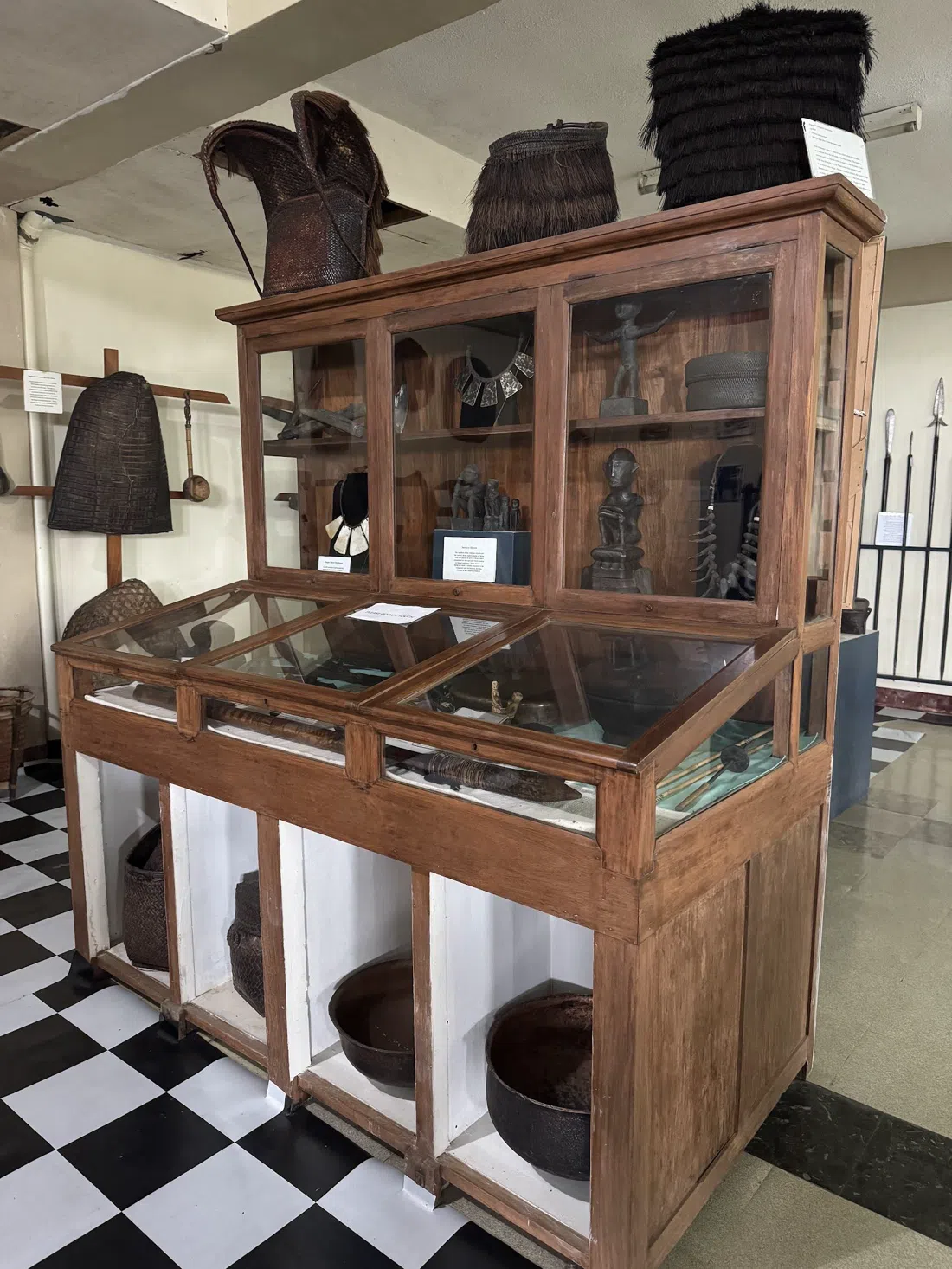
Resist the viewpoint for thirty minutes and start at the Banaue Museum (Banaue town centre). It is small, private and walk-in, about ₱50 per person, open roughly 7am to 4pm daily, and it easily absorbs a group of six. It holds the Beyer family's Igorot collection along with Henry Otley Beyer's own books and papers. Half an hour among those objects does more for comprehension than any roadside placard will, and it changes what you see when you get above the valley.
Then the Banaue Rice Terraces Viewpoint (on the road above Banaue town). This is the postcard shot, a free-standing roadside stop where vans and coaches pull up, with a small environmental fee and no group limit. Elders in traditional dress sit for photographs, and a tip of around ₱20 to ₱50 is customary if you take one. Fifteen minutes is enough. The walking trail from the Viewpoint down to Bocos was suspended by the municipality after Typhoon Uwan and has not been publicly reopened, so treat this as a lookout, not a trailhead.
The saddle, the village, and the honest state of Batad
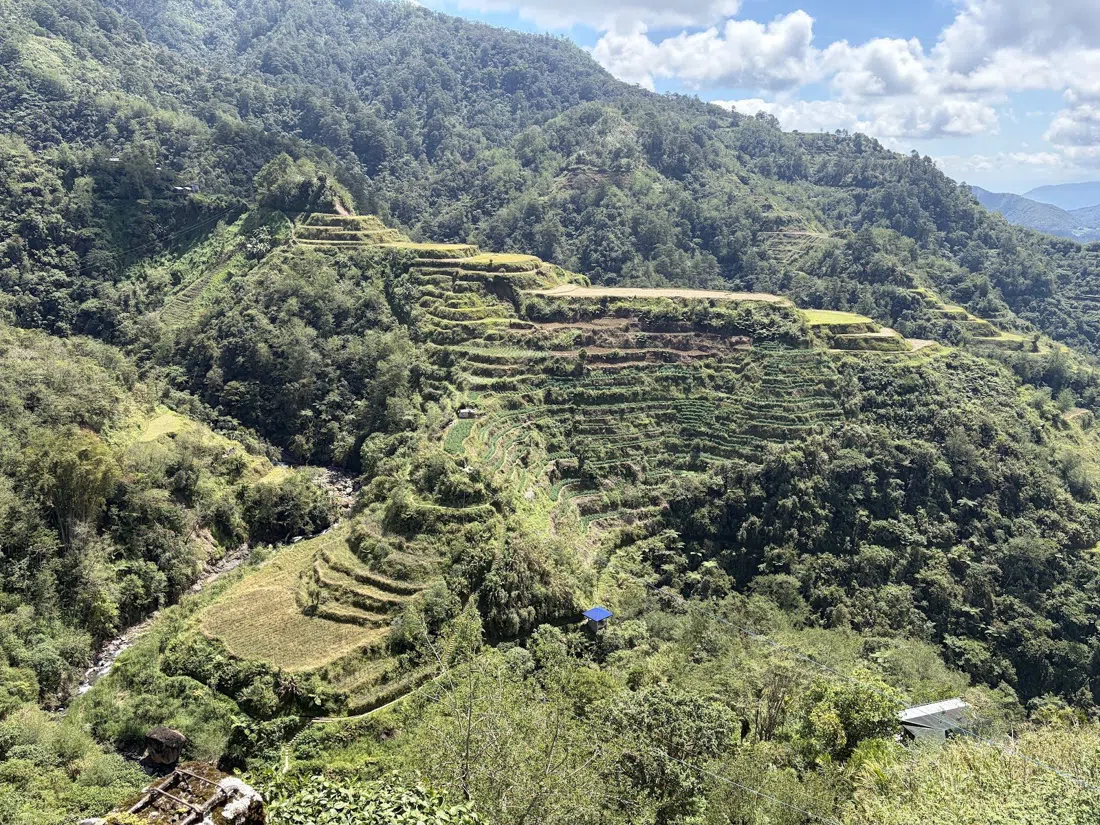
Batad Rice Terraces (Batad, in Banaue municipality) is the reason people come. There is no gate and no ticket window. It is a working village, not a site. You pay a ₱50 barangay environmental and registration fee, hire a barangay guide for roughly ₱1,000 to ₱1,500 for the whole group, and get up to the saddle by tricycle from Banaue for about ₱800 to ₱1,000 return. From the saddle it is a walk down into the village on a stepped path, and the amphitheatre opens up in front of you all at once. Small private parties of up to about six are the normal unit on the saddle-to-village route, and guides work that way by default.
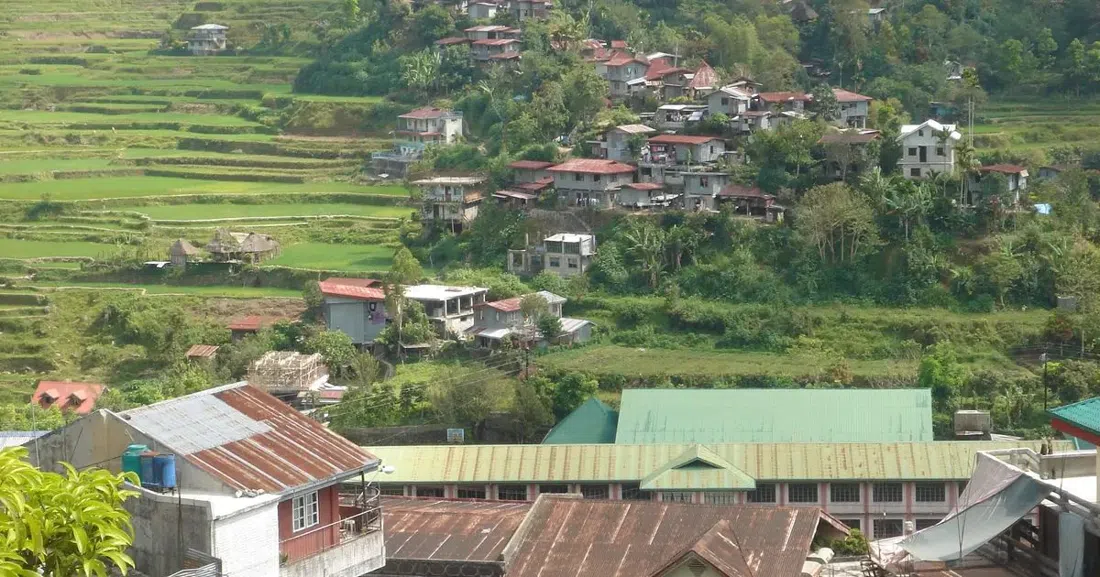
Be clear-eyed about what you will see. Typhoon Uwan, in November 2025, triggered a landslide here that killed two people, tore out a centuries-old irrigation canal and wrecked more than eighty paddies. Rehabilitation funding was still being chased in mid-2026. The scar is visible from the viewpoint, and you should expect a guide to talk about it rather than around it. The terraces remain extraordinary and very much open. They are also visibly a repair job in progress, maintained by a community doing the work with hand tools and its own labour.
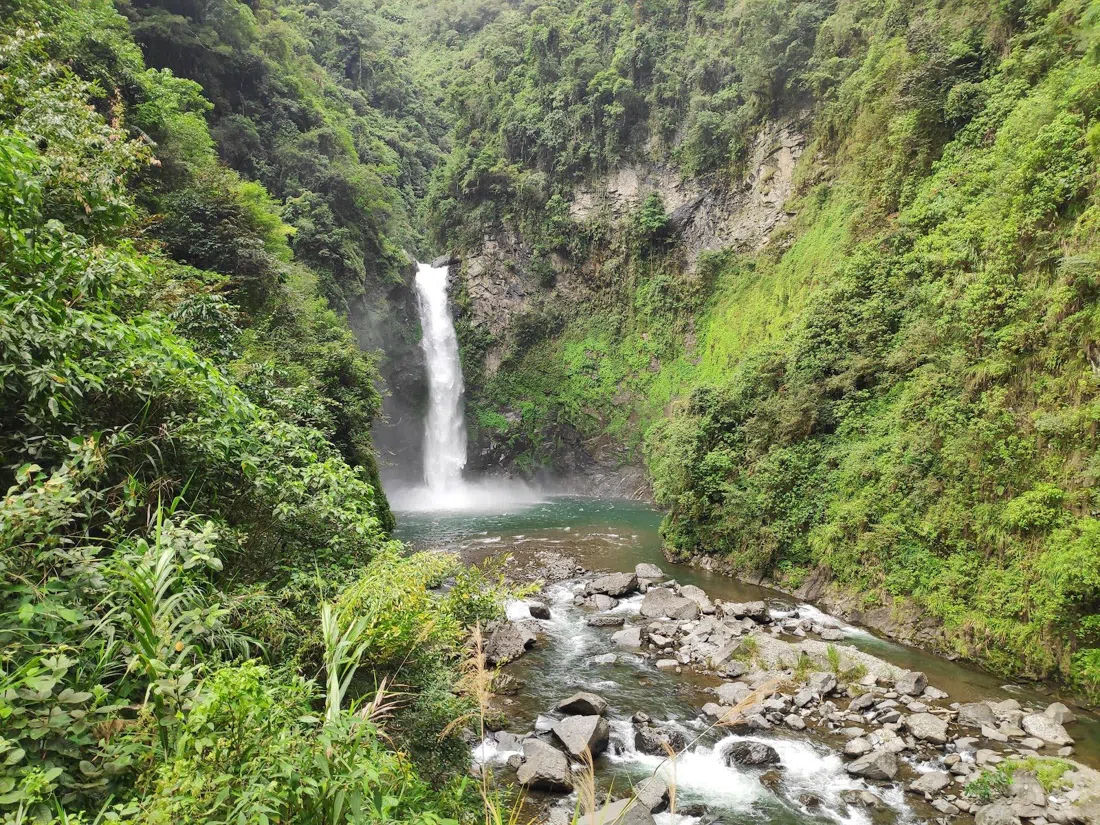
From the village, Tappiya Falls is the standard add-on and needs no separate ticket: the same Batad guide takes you down, and the cost sits inside the guide fee. Allow 45 to 90 minutes descending and appreciably longer coming back up. It is the return climb that catches people out, not the descent, and the paving is uneven and overgrown in places since the typhoon. The steps are narrow enough that a party of six will string out over several minutes, so agree a regrouping point before you start rather than shouting up the hill.
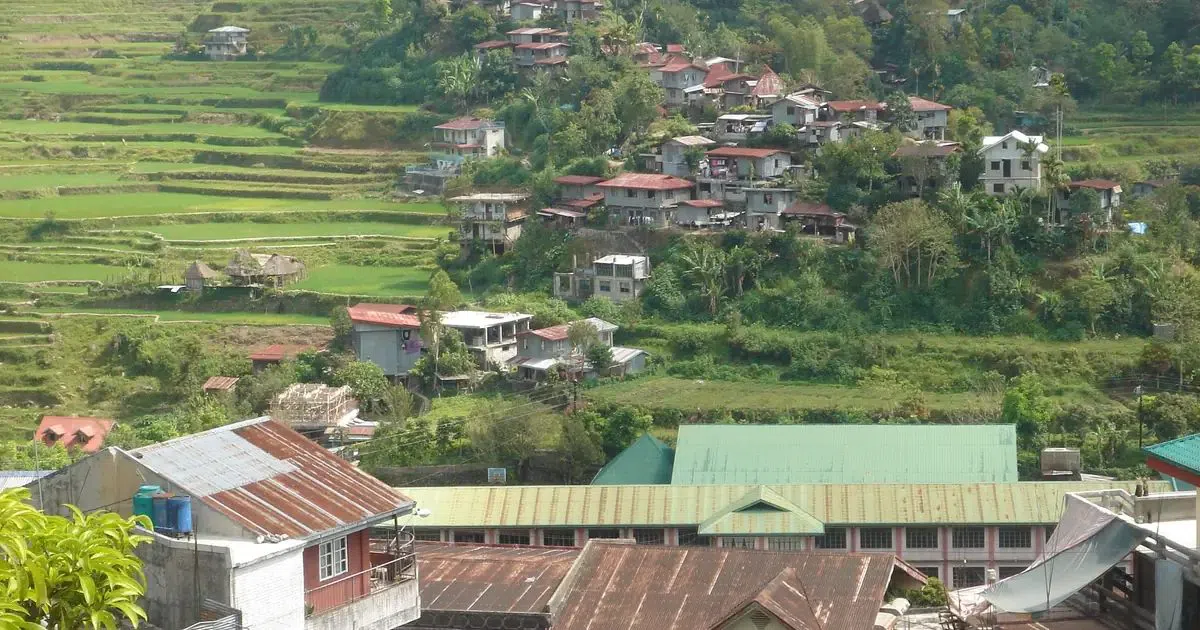
If someone in the group cannot face the Batad climb, and in most groups of six someone can't, Bangaan Village and Rice Terraces (on the road east of Banaue) is a real alternative rather than a consolation prize. The view is straight from the roadside and open to everyone, a short guided descent into the village can be arranged locally for a small fee, and the walk down takes under an hour. It is markedly quieter than Batad, which for some people is the better memory.
An hour in Bontoc that changes how you read the rest
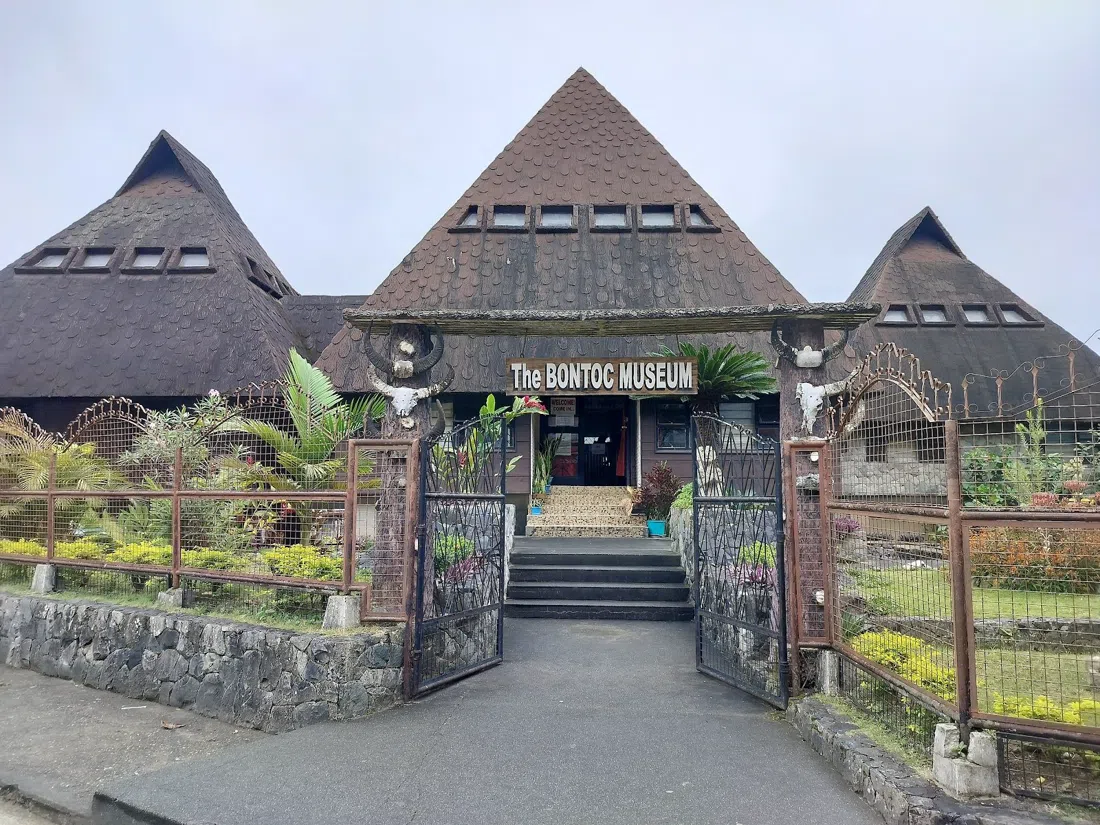
The Bontoc Museum (Bontoc, directly on the Banaue to Sagada road) costs the group an hour and no detour at all, because you drive past the door. Entry runs roughly ₱60 to ₱120 per person, it is walk-in and group-friendly, and the no-photography rule inside is strictly enforced. It gives the frankest account of Cordillera headhunting culture you will get anywhere on this route, told without squeamishness or exoticism. It opens daily 8am to 12pm and 1pm to 5pm, so time the drive to miss the lunch closure, which is easy to get wrong when you have left Banaue late.
Sagada's caves and what they ask of your legs
Sumaguing Cave (Sagada) is the big one and it is physically real work. An accredited guide is mandatory at roughly one guide per four guests, so a party of six needs two, booked through the tourism office. The standard tour runs about ₱800 per group with a shuttle at around ₱400. Budget two to three hours of crouching, wet rock and cold pools; guides will often have you go barefoot, because bare feet grip the limestone better than any boot. It closes without notice after heavy rain when water levels rise, and that call is not negotiable.
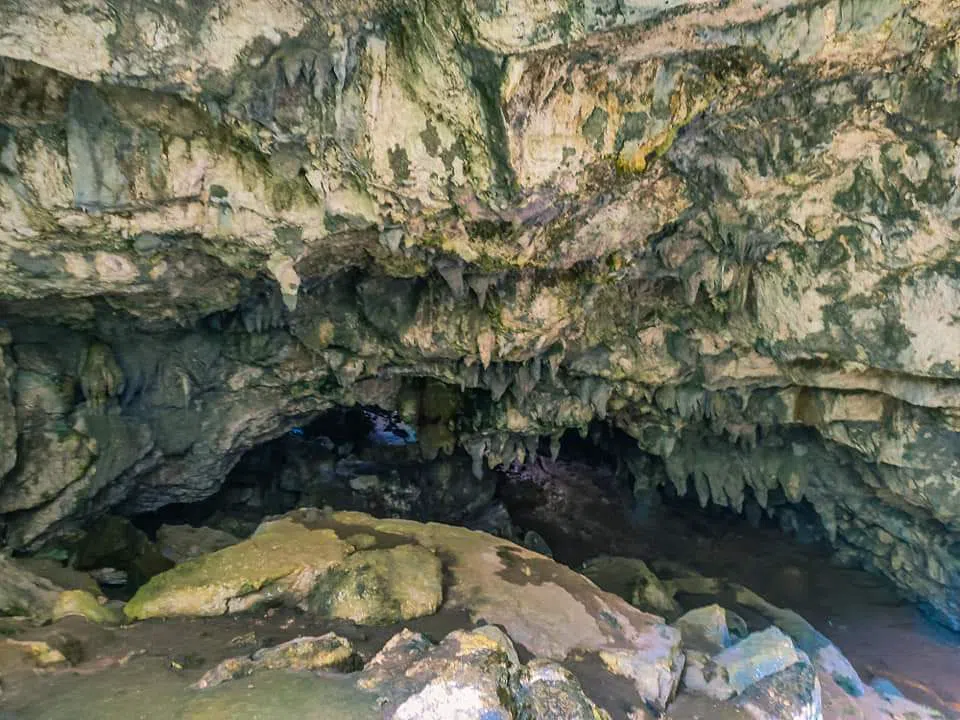
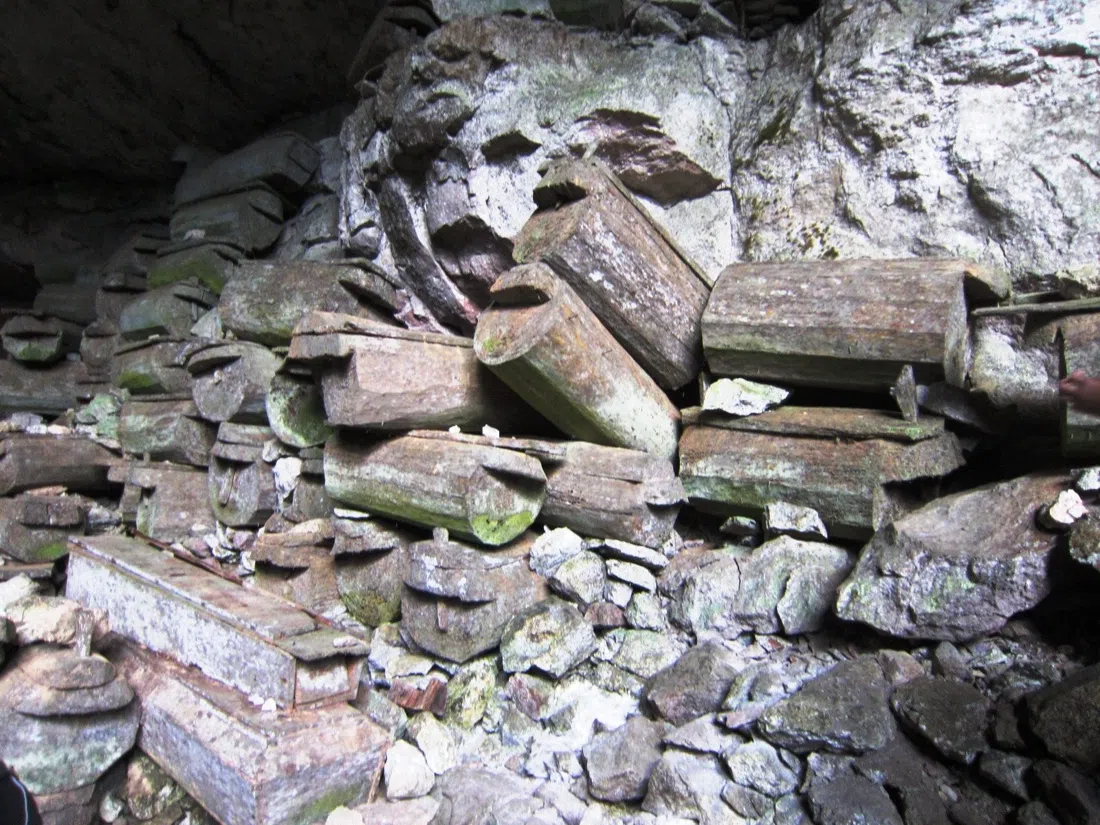
Lumiang Burial Cave (Sagada, at the same trailhead area) is a distinct site, not a variant of Sumaguing. The stacked coffin wall at the mouth is the reason to come, and you can stand in the entrance chamber and take it in properly in ten minutes without committing to anything. The four-hour Lumiang-to-Sumaguing traverse, at around ₱1,500 per group, is a serious undertaking and suits a self-selected subset of a group rather than all of it. Splitting the party here is normal and the guides expect it.
Echo Valley, the hanging coffins, and the church behind them
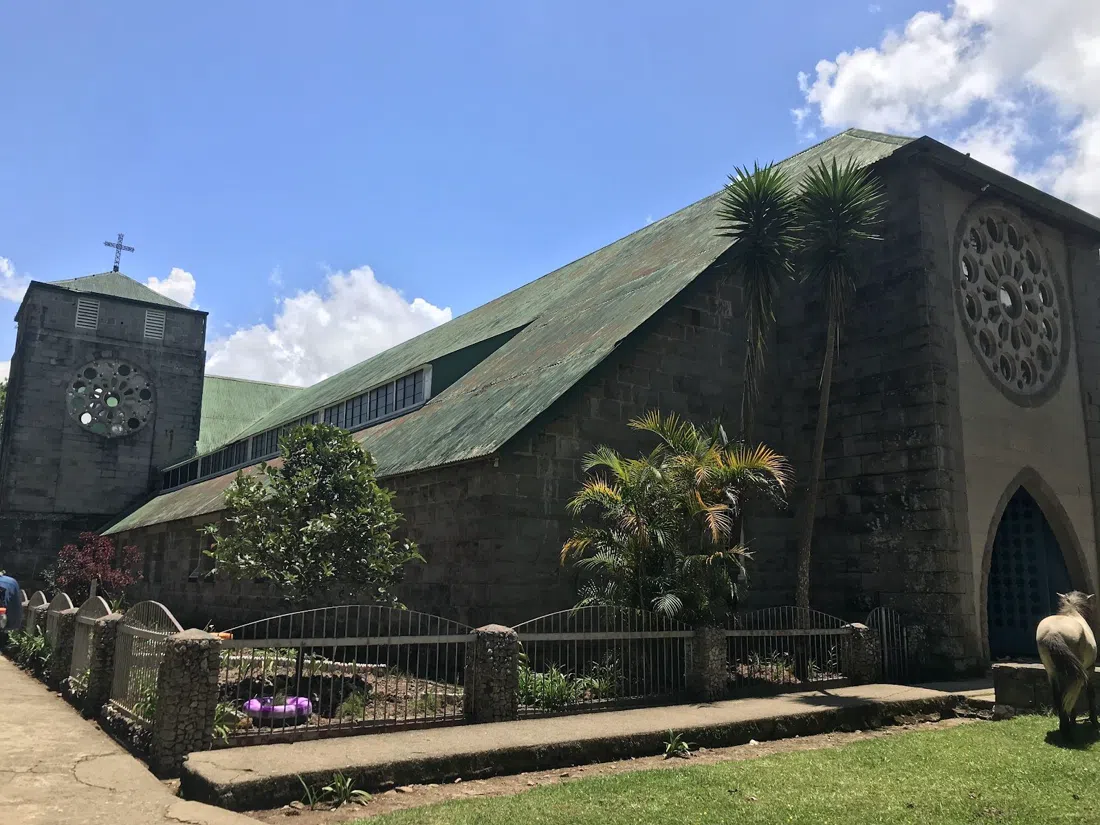
Start at the Church of Saint Mary the Virgin (central Sagada). It is free, open to visitors outside services, and still an active parish, so keep the group quiet if worship is under way. Built by American Episcopal missionaries in 1904, it is the single best explanation of why Sagada feels unlike anywhere else in the Cordillera, and the Echo Valley walk begins directly behind it.
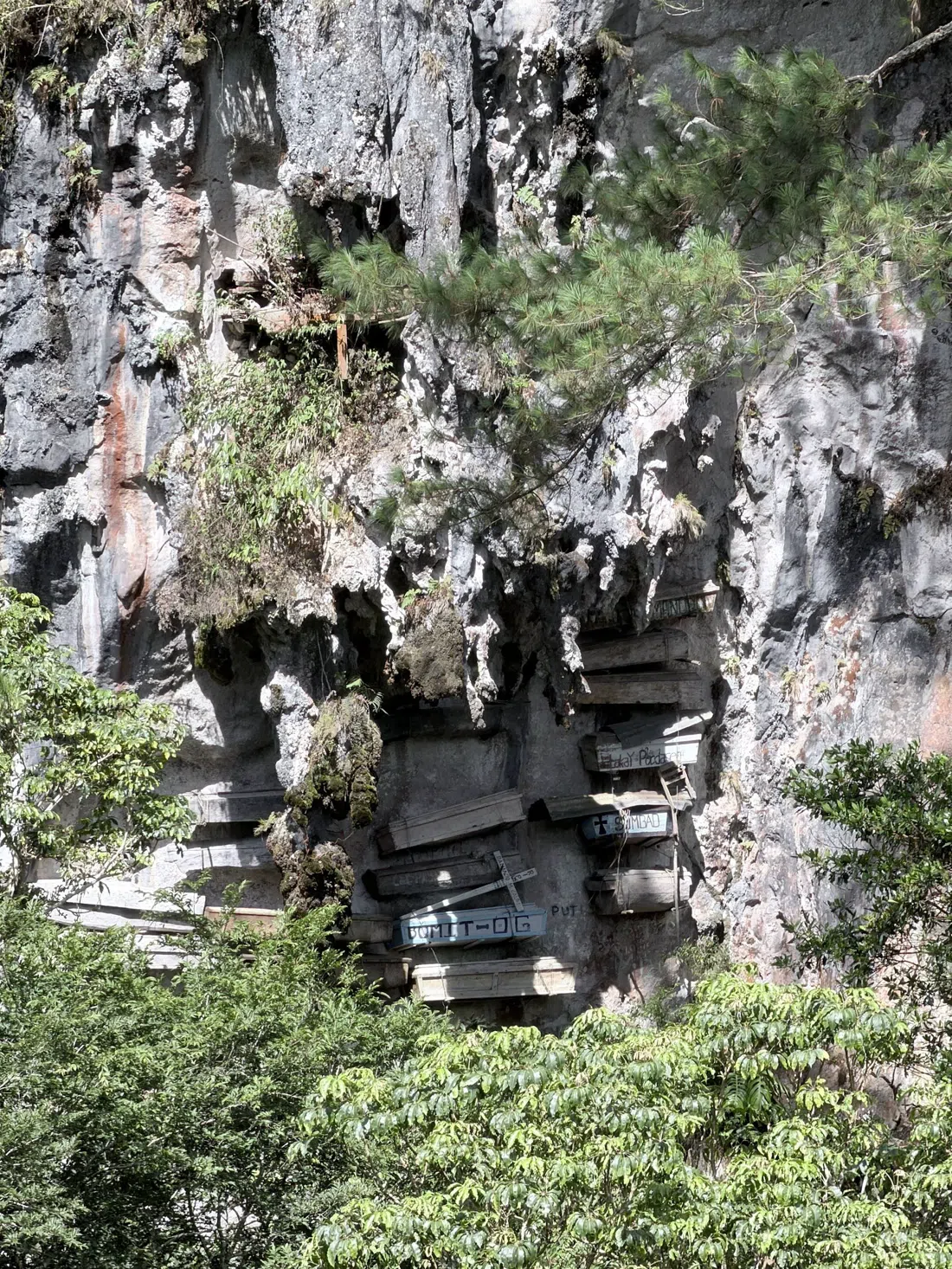
The Echo Valley Hanging Coffins sit a 20 to 30 minute walk away, through the cemetery and pine woods. An accredited guide is compulsory under local ordinance, from about ₱200 to ₱300 per group plus the town registration fee, and the last stretch is single file. Go mid-morning or late afternoon, when the cliff face is properly lit and the day-tripper crowds have thinned. These are active burial sites belonging to living families, not a photo set, and behaving like a visitor at a funeral rather than at an attraction costs nothing.
Sunrise now that Kiltepan is shut
The famous Kiltepan viewdeck has been closed indefinitely since a fire in 2018 and is not on the municipal list. Two working alternatives remain. Marlboro Hills (Kamanbaneng Peak) is the sea-of-clouds hike now, arranged through the accredited guide associations with a pre-dawn start around 4am; guide and shuttle are set per group at the tourism office and run from a few hundred pesos up to around ₱1,500 depending on the route and vehicle. It pairs naturally with a drop down to the Blue Soil hills at Kaman-Utek afterwards. Cloud is never guaranteed, so go for the ridge walk and treat the phenomenon as a bonus.
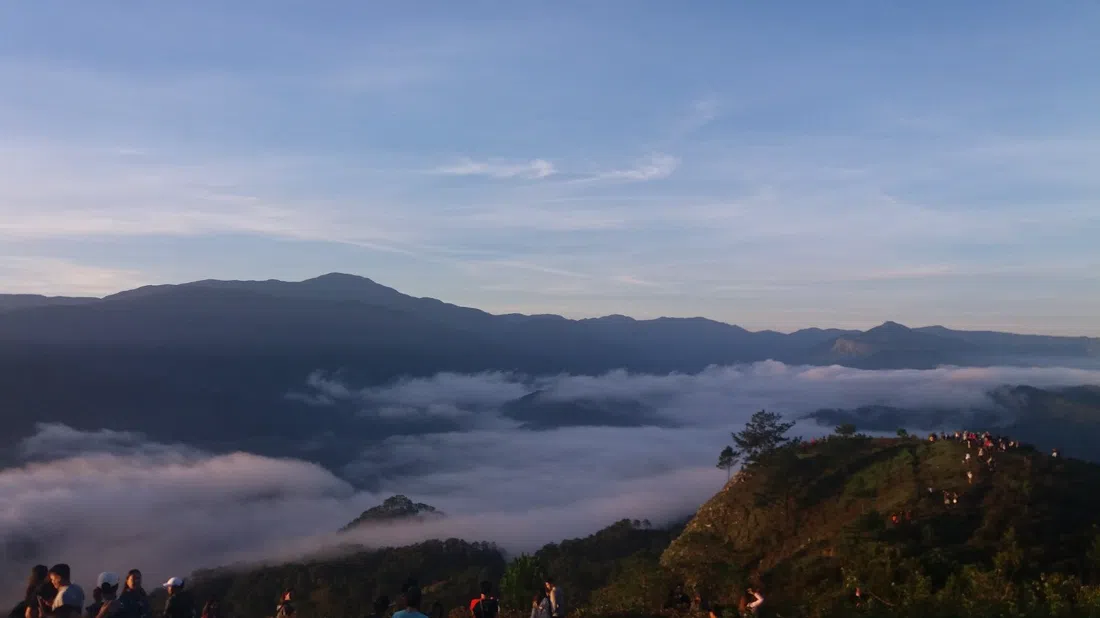
Pog-o Viewpoint and Campsite is the other option, privately owned, with a modest entrance fee paid on arrival and camping available for a little more. Small groups are fine. Two warnings: the access road is steep and thoroughly unpleasant in the wet, and the edge is unprotected, which matters if anyone is moving around in the dark.
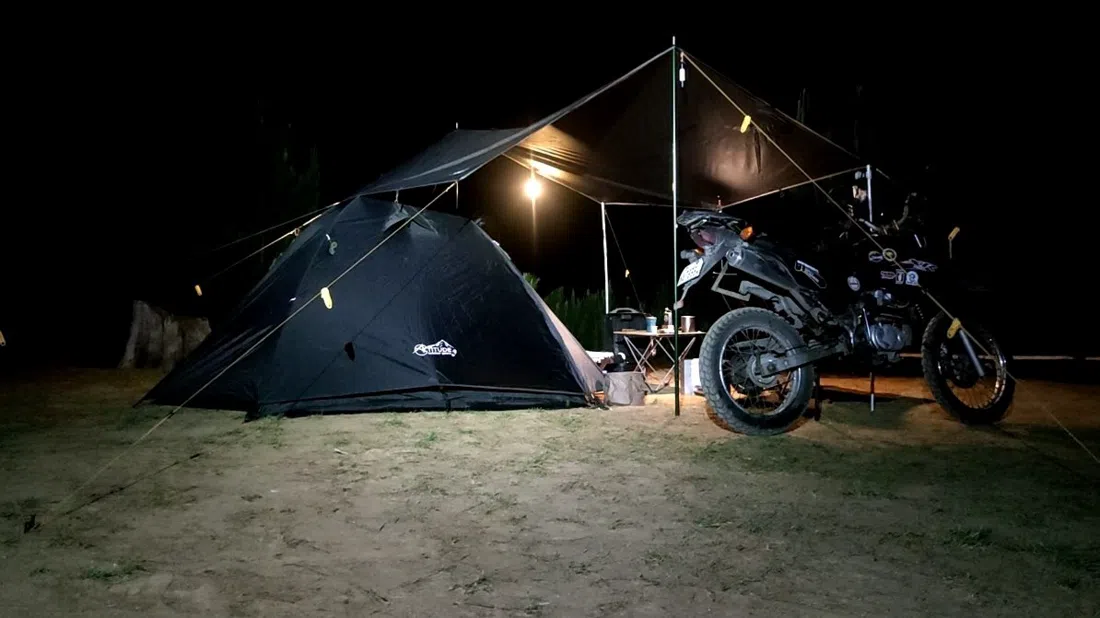
The hardest day, and what to do when it rains
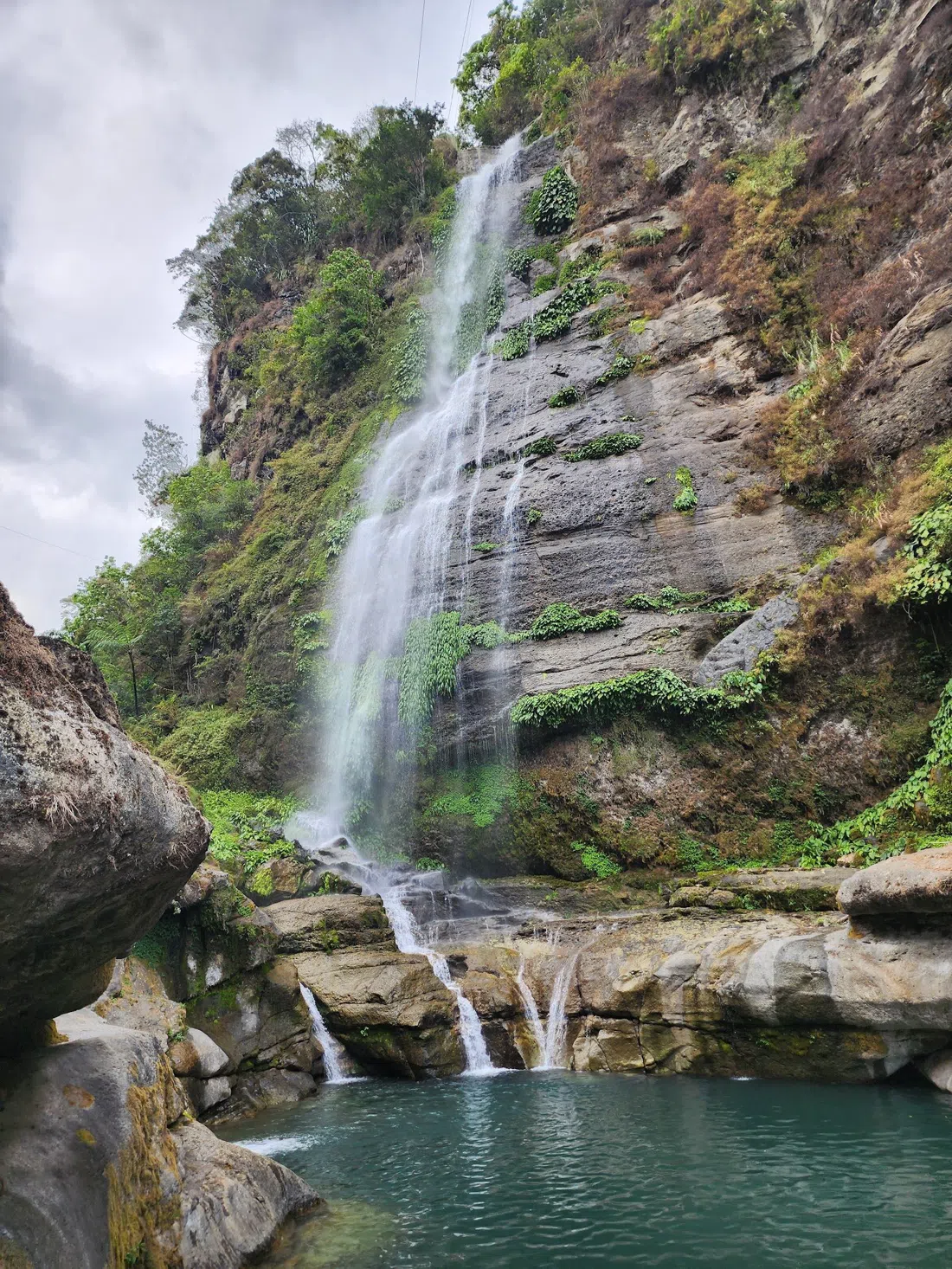
Bomod-ok Falls is the toughest thing on the itinerary, a long descent through working terraces and a steep grind back out. A mandatory guide runs around ₱1,000 to ₱1,500 per group, plus the jeep transfer and the Sagada registration fee, so six travellers is an efficient size for it. Put it on the plan only if the whole group is up for it, and accept that the village can close it for rituals or after heavy rain.
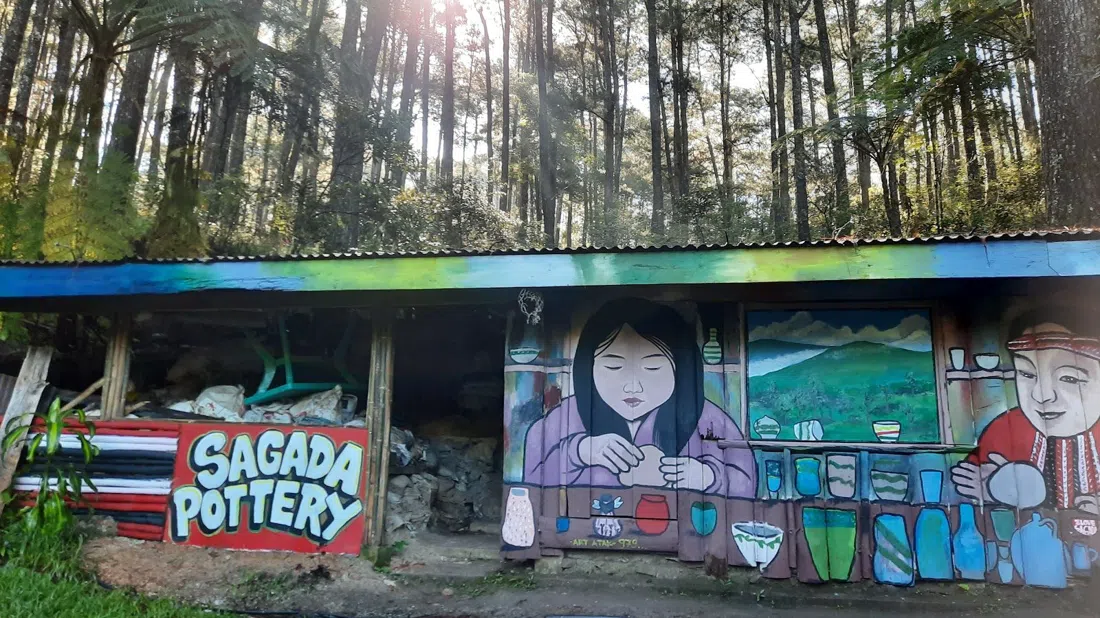
When the weather takes a day off you, Sagada Pottery (Sagada) is the best fallback on the route and the one activity where a group of six does something rather than looks at something. It is a collective run by Applai Kankanaey potters, Siegrid Bangyay, Teresita Baldo and Ardeth Angway Butic, set up explicitly for groups, with a demonstration at around ₱200 for the group and about ₱100 per person for anyone who wants to throw a pot.
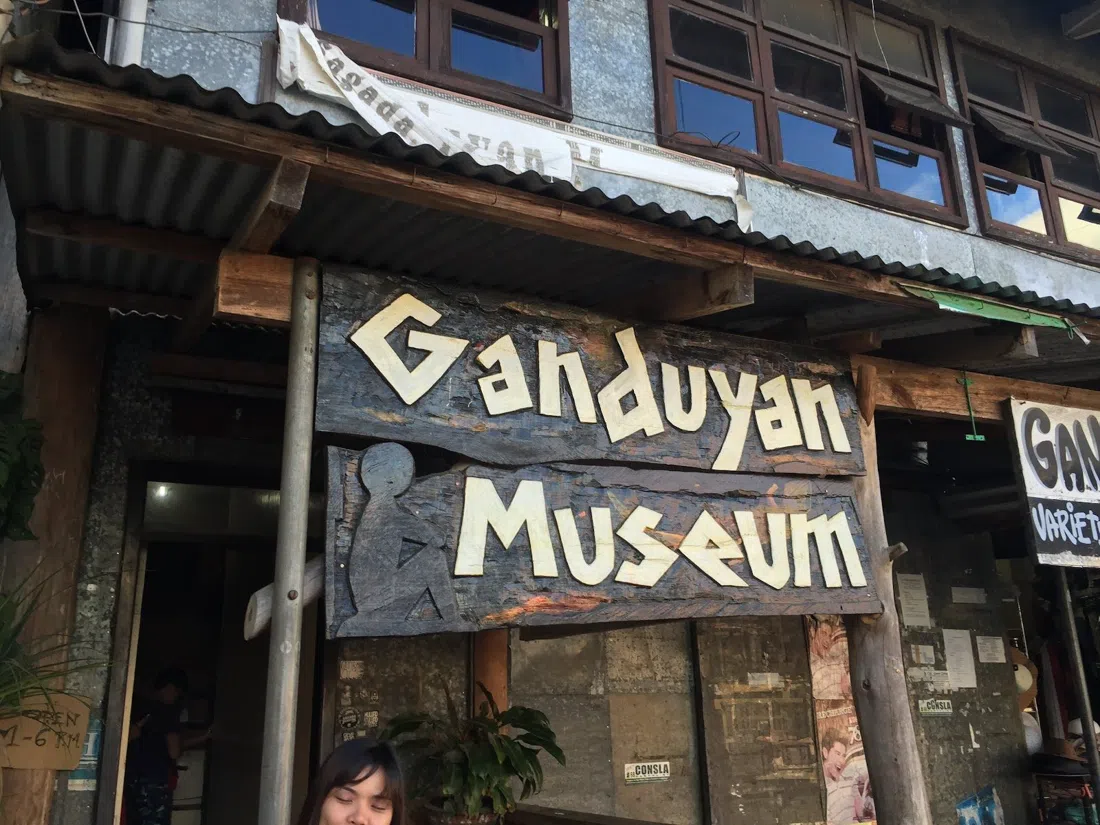
The Ganduyan Museum (central Sagada) is worth trying, with the caveat that its hours are unreliable: nominally afternoons, sometimes closed entirely. Entry is about ₱25 to ₱100. The owner's own commentary is the exhibit and it is excellent, but the room is small and six people is about the maximum before it becomes a shuffle. Have your guide phone ahead rather than building the afternoon around it.
Register once and skip the morning line
Everything in Sagada routes through the Sagada Tourist Information Center (Sagada town centre), and this is the single most useful practical stop of the trip. Registration is ₱100 per person and applies to everyone, agencies, groups and individuals alike. Guides are assigned here, and every guide and transfer rate is legislated and posted on the wall, so there is nothing to haggle over. The queue forms in the morning when the overnight buses unload. Register online through the Sagada iPass system before you arrive and you walk past it.

Door prices against a booked trip
Nothing on this route has an expensive door price. The fees are small and the arithmetic is mostly transport and time. Assembled yourself, a party of six will spend in the low thousands of pesos per person across five days on registrations, guides, tricycles, jeeps and museum entries, plus accommodation and the long-haul bus at either end. That is cheap, and it is the right way to travel here if you are comfortable with overnight buses, early starts and improvising when a cave closes for rain.
What a booked private trip buys is the logistics between the stops: the vehicle that waits while you walk down to Bangaan, the driver who knows to reach Bontoc before the lunch closure, the registrations already filed, and someone else absorbing the reshuffle when Bomod-ok shuts. That version runs seven days a week and starts from 1062 USD per person. It is a lot of money, and defensible for a group that has five days and no appetite for spending them solving logistics.
Book whichever way you choose reasonably far out for the dry months and around the national holidays. Sagada's guide pool and bed stock are both finite, and the tourism office assigns guides in the order people turn up.
Is five days worth it
Yes, with conditions. Five days is close to the minimum that makes the driving worthwhile: at four you are commuting, at six or seven you can actually rest. It suits walkers who are comfortable with two to four hours of steep, uneven ground on consecutive days, and travellers who want a landscape people still work rather than a viewing platform. A party of six fits it better than a couple, purely on cost.
It does not suit anyone with unreliable knees, anyone who needs a guaranteed itinerary, or anyone hoping for resort comfort at altitude. Rooms are simple, nights are cold, and the weather rewrites plans. For what it is worth, the bookable version of this route currently carries 19 traveller reviews, with the top tour rated 4.9 out of 5. That is encouraging, but a small enough sample that you should weigh your own fitness and tolerance more heavily than the score.
Best time to go
The cool, drier months from late November through April are the reliable window, and that is when the mountain roads are least likely to be closed by slides. Typhoon season broadly runs June to October, though Uwan arriving in November 2025 is a reminder that the edges of that window move. If you travel in the wet, build a spare half-day into the plan and accept that caves and waterfalls will close on the day.
Within the year the terraces change constantly, flooded and mirror-bright, then green, then gold before harvest, and the timing varies by village and altitude, so ask your guide what stage the specific valley is in rather than trusting a generic calendar. Avoid Holy Week and the Christmas-to-New-Year stretch unless you actively want company; Sagada fills, guides are stretched thin and beds go early. Within the day, walk early, be at the hanging coffins mid-morning or late afternoon for the light, and be off the Batad climb before the afternoon rain.
Practical notes
Transport. Overnight buses leave Manila for Banaue in the evening and take roughly nine to ten hours; book the seat in advance in high season. Banaue to Sagada via Bontoc is about three hours of mountain road. Local legs are tricycles and jeepneys, and rates for both are posted at the tourism office in Sagada. A private vehicle across all five days is the single biggest cost saving in comfort terms.
Cash. Bring pesos in small denominations from Manila. ATMs in the mountains are scarce and unreliable, card acceptance is close to nonexistent outside a few Sagada guesthouses, and every fee described here, from barangay charges and guides to tricycles, museums and tips, is cash.
Kit. Proper walking shoes with grip, a rain shell regardless of season, a warm layer for Sagada nights, a head torch for the pre-dawn starts, and a dry bag if you are doing Sumaguing. Expect to be wet and muddy on at least one day.
Money. Fees are small, ₱50 at Batad, ₱100 to register in Sagada, ₱25 to ₱120 at the museums, and the group-rate guides are the main line item at ₱200 to ₱1,500 a time. Carry more than you think; there is nowhere to top up.
Bookends. Give yourself a night in the capital at each end rather than connecting straight off a flight to a night bus. Start with the Manila hotel search for somewhere near the northern bus terminals, and see the Manila guide for what to do with the day either side.