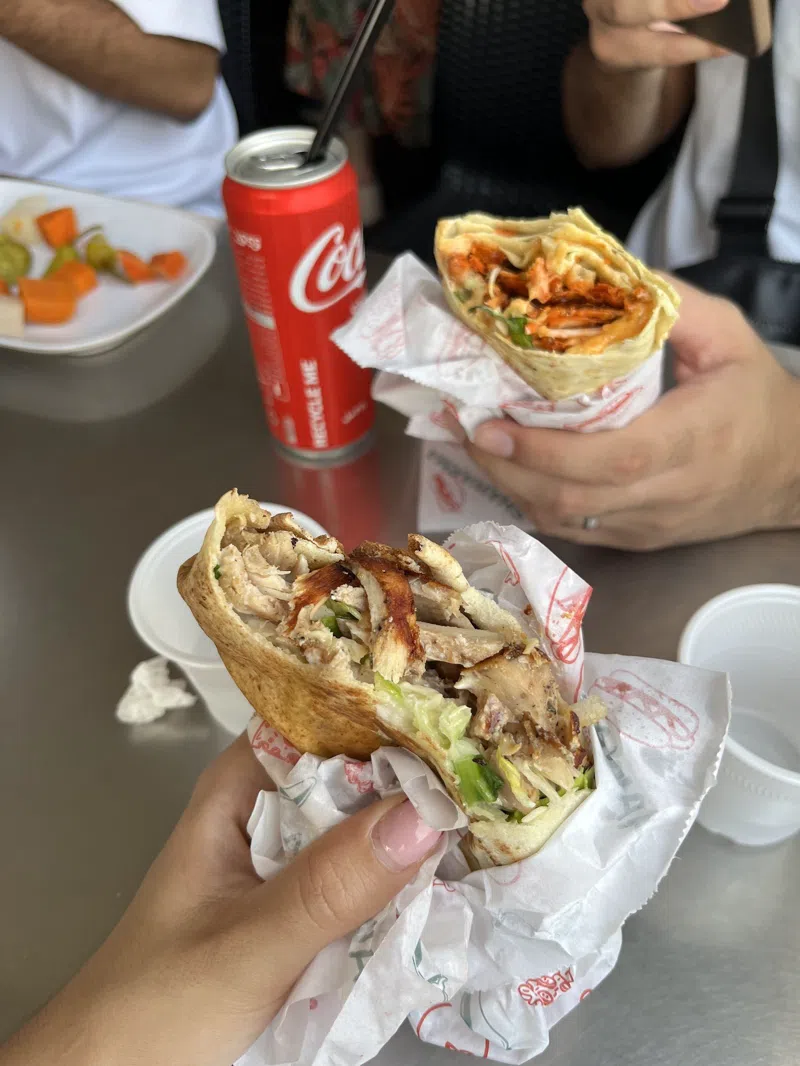
Manila eats on the move, on the clock, and mostly on someone else's schedule — a plate of adobo passed across a carinderia counter between jeepney shifts, a lechon skin cracking under a cleaver at a family reunion, a halo-halo glass sweating on a Formica table at 3pm because the heat has made the decision for you. Thirteen million people do not agree on much, but they will fight, warmly, for hours, about whose adobo is correct. This is a city where four centuries of Malay, Chinese, Spanish and American cooking never quite finished arguing with each other, and the argument is the point.
The Carinderia Counters: Manila's Real Everyday Table
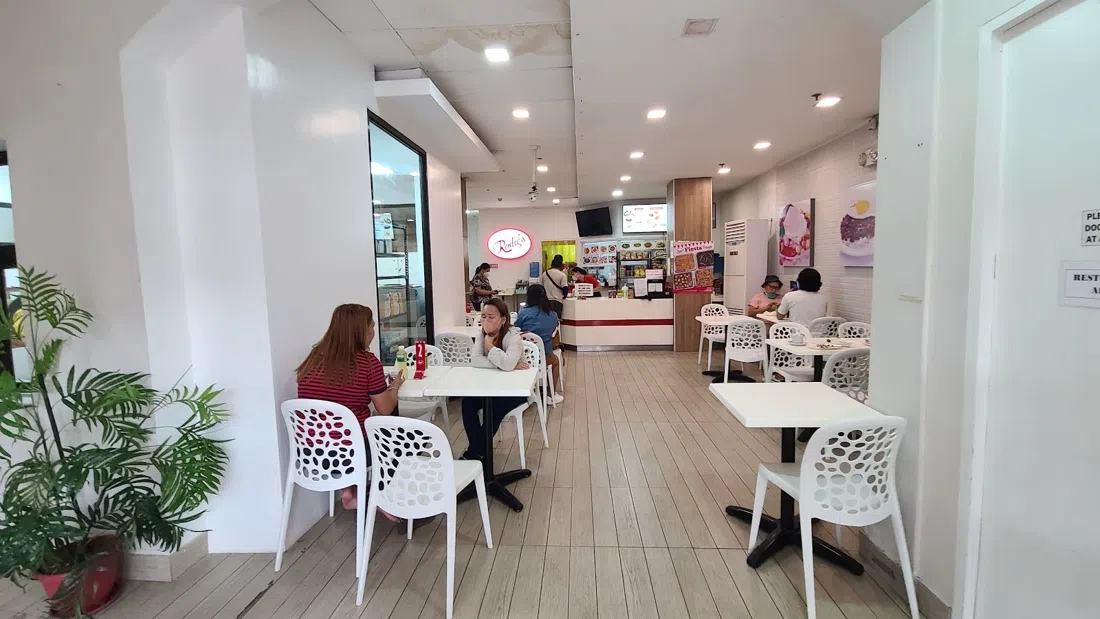
The word carinderia gets used loosely by outsiders, so it's worth starting at the place that still runs it the way it was meant to: Rodic's Diner (near UP Manila and PGH, Ermita), a turo-turo — literally "point-point" — counter that has fed students and hospital staff since 1949. You walk the line, point at trays of whatever's been cooked that morning, and a server plates it in front of you: no menu, no small talk, ₱120-250 a head. It closes on weekends at most branches, so this is a weekday errand, not a Saturday plan, and it's built for two or three people standing at a counter rather than a group needing a table. If a visitor asks what a carinderia actually is, this is the honest answer, not the tidied-up version.
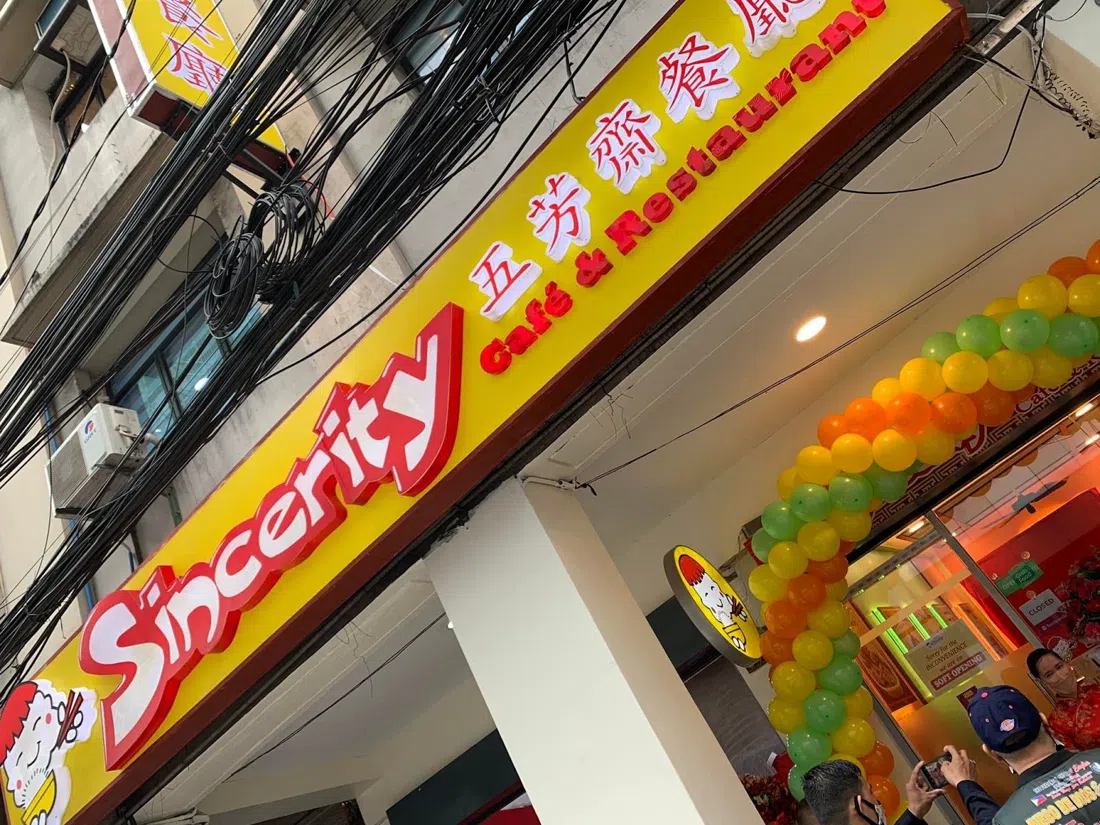
Head into Chinatown and the carinderia idea gets a second, older layer at Sincerity Cafe and Restaurant (Binondo), open since 1956 and still the fried-chicken pilgrimage address for the district. Two tight floors, no reservations, and a genuine wait at lunch — the owners have never tried to solve that by expanding, which is part of why regulars trust it. Keep it to four or five people at most; anything bigger and you'll be standing in the doorway rather than eating. Expect ₱150-350 a head for chicken that's been the reason people cross the district for nearly seventy years.
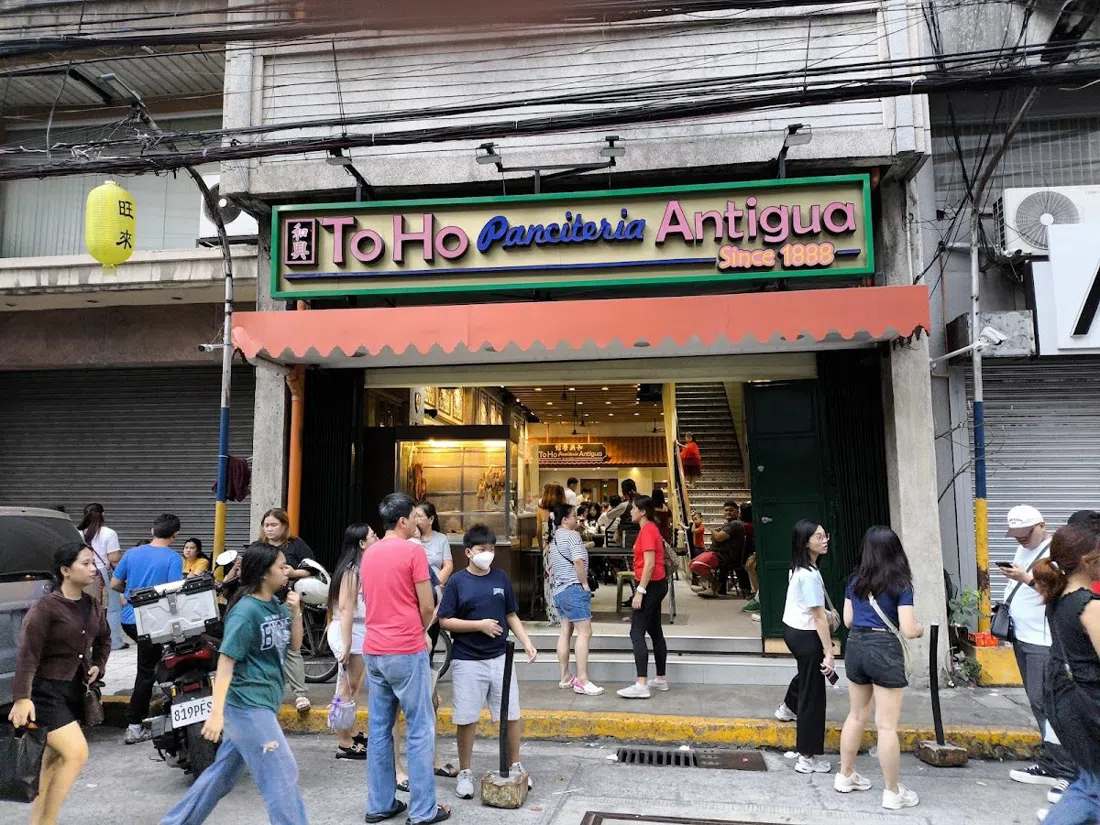
A few streets over sits To Ho Panciteria Antigua (Binondo), which has the strongest claim in the country to the title of oldest continuously operating restaurant — it opened in 1888. This is the place to understand the Chinese-Filipino hand in Manila's food properly: pancit in the old Hokkien style, cooked the way it's been cooked since before the Philippines was a republic. Seating is casual, no bookings needed on weekdays, and it handles small-to-medium groups without fuss — ₱150-400 a head, which for 138 years of continuous service is close to the best value in the city.
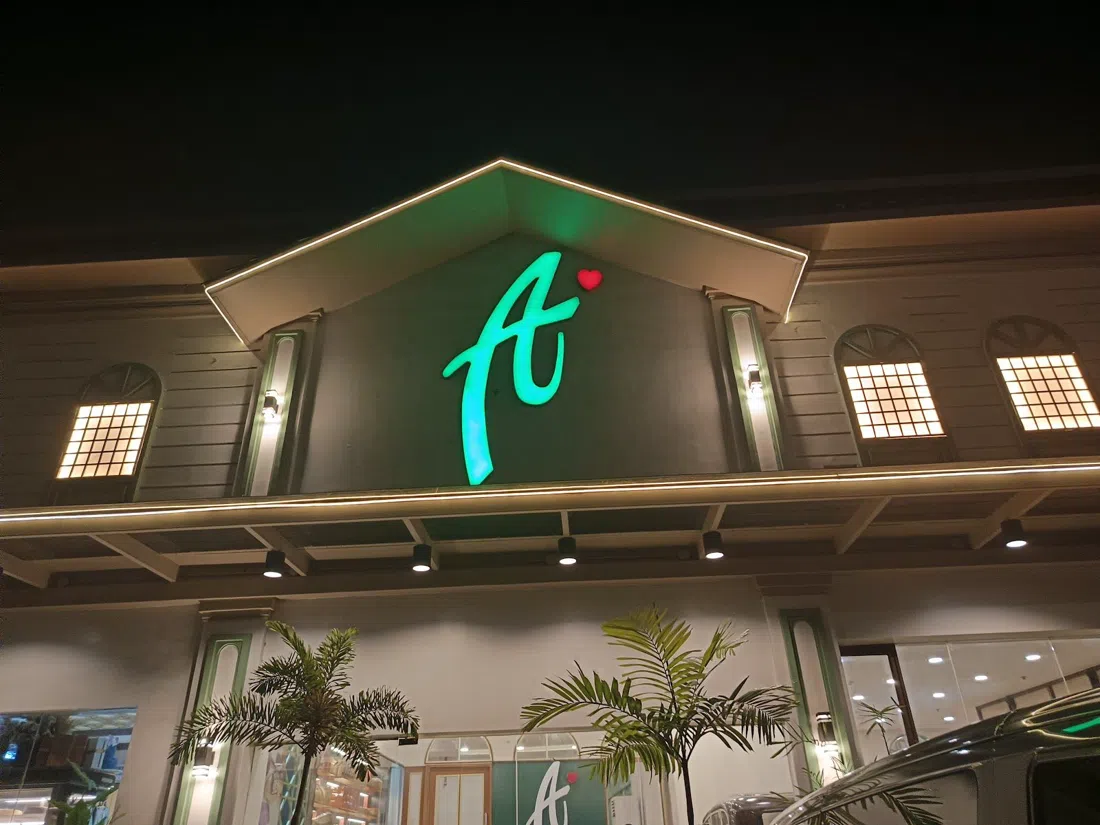
For something that runs on an entirely different clock, there's The Aristocrat Restaurant (Roxas Boulevard, Malate), open 24 hours since 1936 and built for the moment when a wedding, wake or fiesta lets out at 2am and everyone is still hungry. Its chicken barbecue in Java sauce is the reason it became an institution rather than just a diner; the dining room has been freshly renovated but the format hasn't changed — long family-style tables, big groups welcome, ₱250-500 a head. If you need a reliable Filipino meal at an hour when most kitchens are closed, this is the address to know.
The City's Endless Adobo Debate
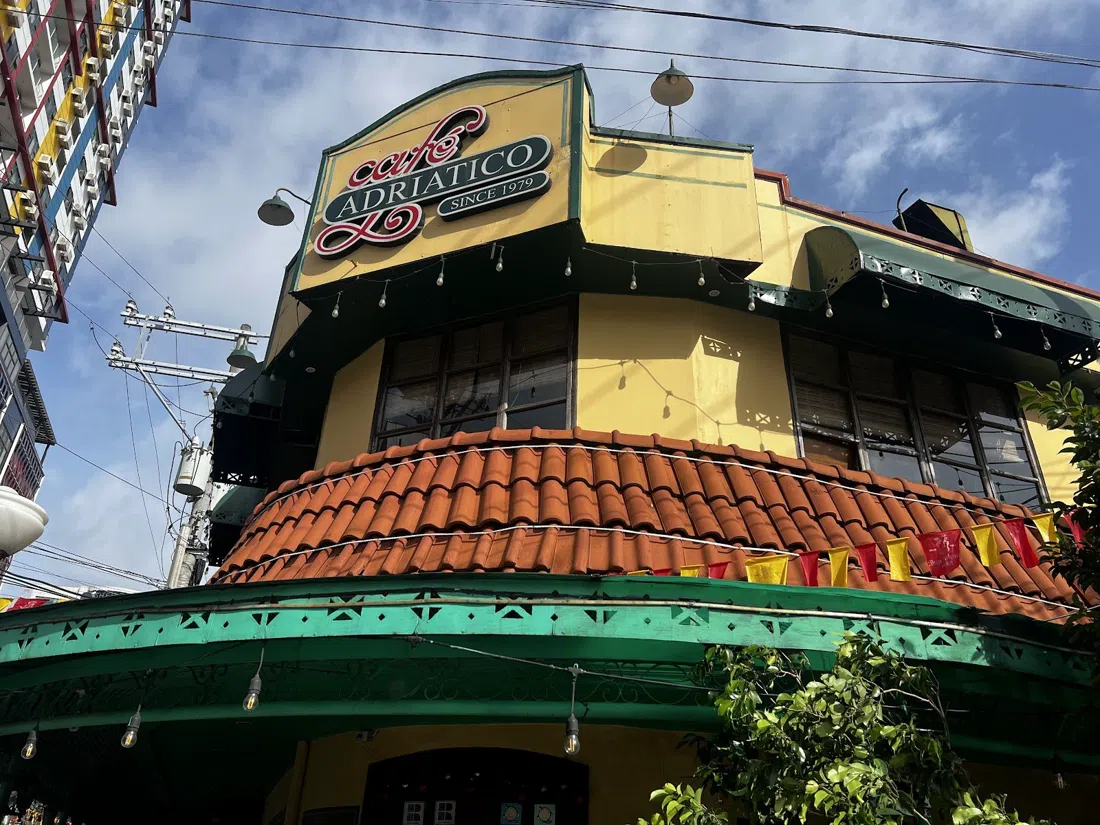
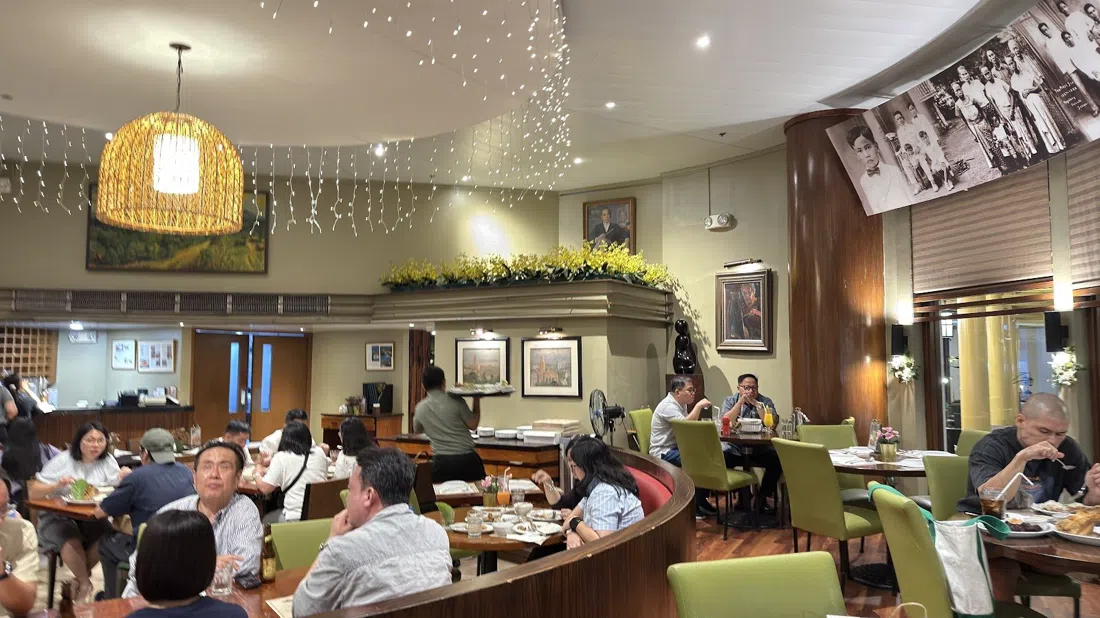
Every Manileño has a position on adobo, and the two addresses worth anchoring the argument around sit at opposite ends of the same city. Café Adriatico (Remedios Circle, Malate), open since 1979, serves what's become a genuine reference point: Lola Ising's Adobo Rice, adobo cooked down and worked through rice until the two are inseparable, served alongside crispy pata in dining rooms that have hosted Manila's late-night bohemian crowd for over four decades. It handles groups well across its multiple rooms and runs ₱400-800 a head — book ahead if you're coming after 9pm, when the crowd tends to linger.
The other side of the argument comes from Pampanga, and it's made at Abé (Serendra, BGC), widely cited by local critics as the city's best traditional adobo — a claim made from a position of real authority, since Kapampangan cooking is generally regarded as the most technically serious regional cuisine in the country. Abé offers a private event space for larger bookings, which makes it the more natural choice if you're trying to settle the adobo question with a full table rather than two people arguing over a shared plate. Expect ₱600-1,200 a head.
Lechon: The Skin Is the Whole Point
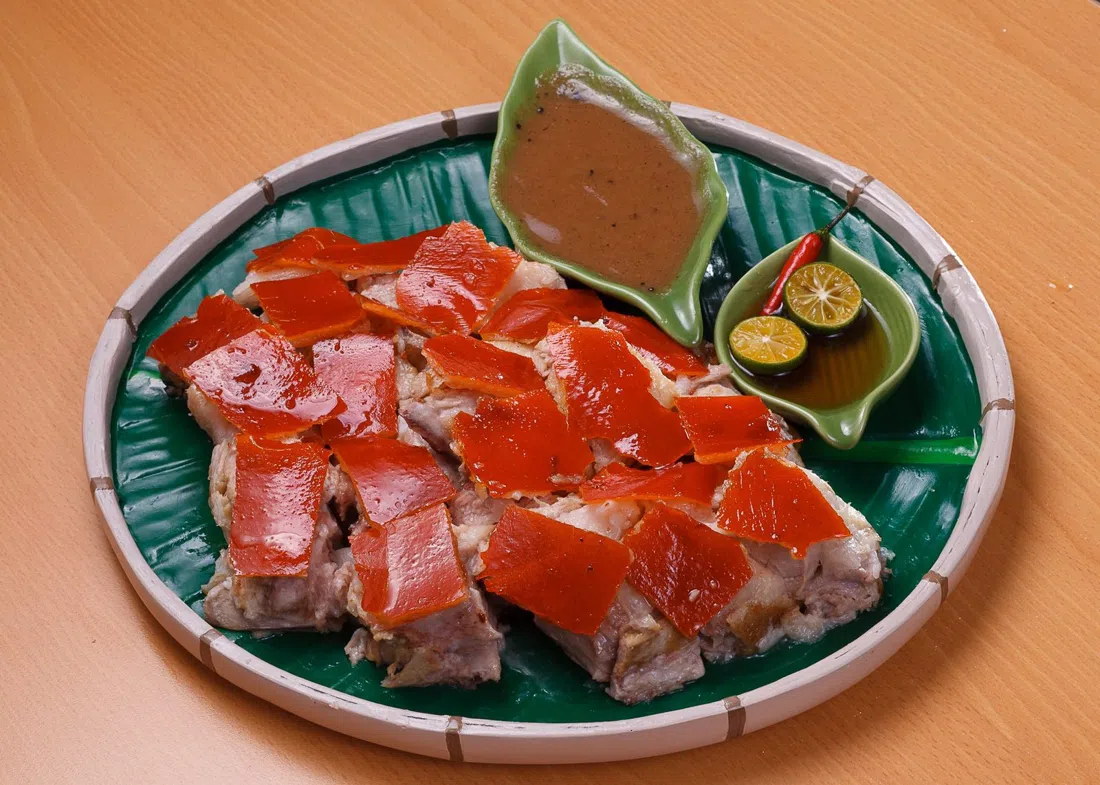
Ask why Filipinos take lechon seriously and the answer is entirely textural: it's about whether the skin shatters or merely crunches. Elar's Lechon does the old-school charcoal roast that gets the shatter right, and it's built for exactly the kind of gathering lechon exists for — sit-down tables for ₱300-600 a head, or a whole roasted pig sold by the kilo for parties and catering. This isn't a place to duck into alone; it's designed around the group order, the reunion, the office party, and it's worth calling ahead if you want a whole lechon rather than a plate. If you only eat one whole-roast pig in Manila in 2026, this is the most dependable address to do it at.
Halo-Halo, Shack to Five-Star
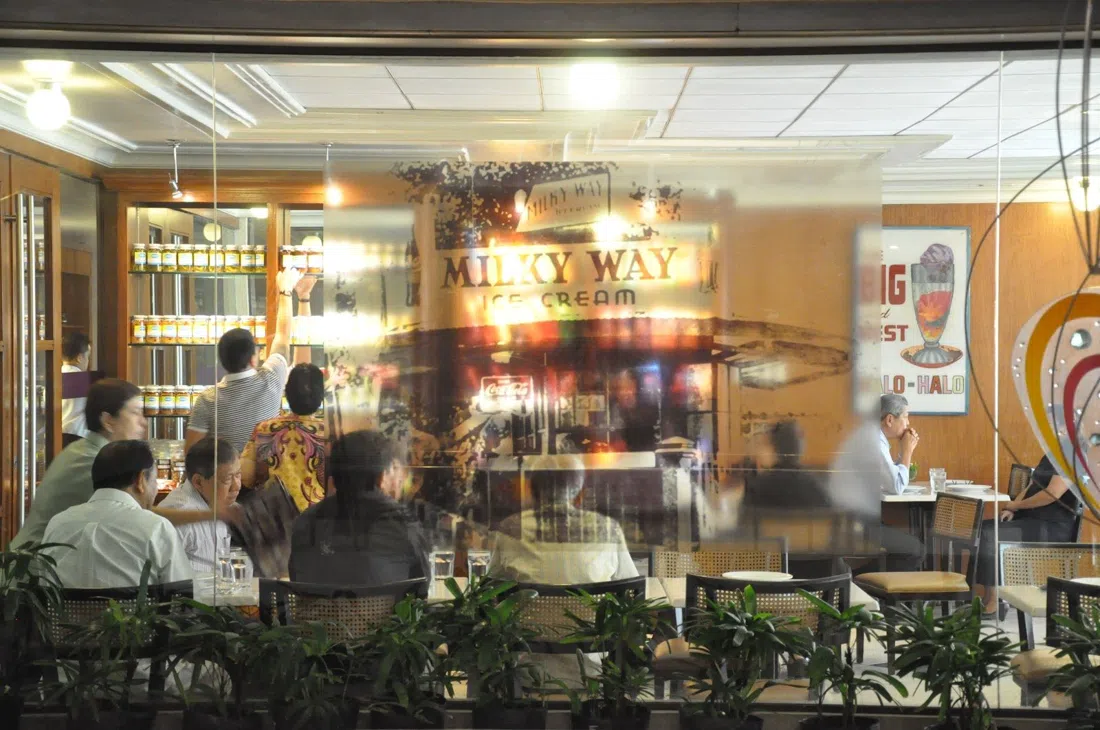
Halo-halo is the dessert every visitor is told to try and the one locals will argue over just as fiercely as adobo, mostly on the question of ube-to-ice ratio. Milky Way Cafe (Pasay Road, Makati) has been serving its ube-topped version since 1962, and it's the benchmark against which every "shack-turned-institution" halo-halo in the city gets measured — sit-down café seating, comfortable for small-to-medium groups, ₱200-400 a head. It's unpretentious, fast, and exactly as sweet as it needs to be.
For the same dessert dressed up considerably, The Lobby at The Peninsula Manila (Makati) has been serving halo-halo as an afternoon-tea-style event since the hotel opened in 1976. The lounge seating is spacious and suits groups well, the service is five-star, and at ₱600-900 a head it's roughly triple the street-shack price for the same base idea executed with hotel polish — a fair comparison to make in the same afternoon if you have the appetite for both.
Modern Filipino, Built for the Table
Not every visitor wants to start with a stall counter, and Manila now has a confident tier of restaurants built to make Filipino food legible to a first-timer without dumbing it down. Manam Comfort Filipino (branches at Mall of Asia in Pasay, Greenbelt in Makati, and BGC in Taguig) is the easiest entry point of all of them — modern plating on the same adobo, sisig and halo-halo repertoire, designed explicitly for group and family sharing, ₱350-700 a head, and mall-based, which matters if anyone in your party is nervous about street food.
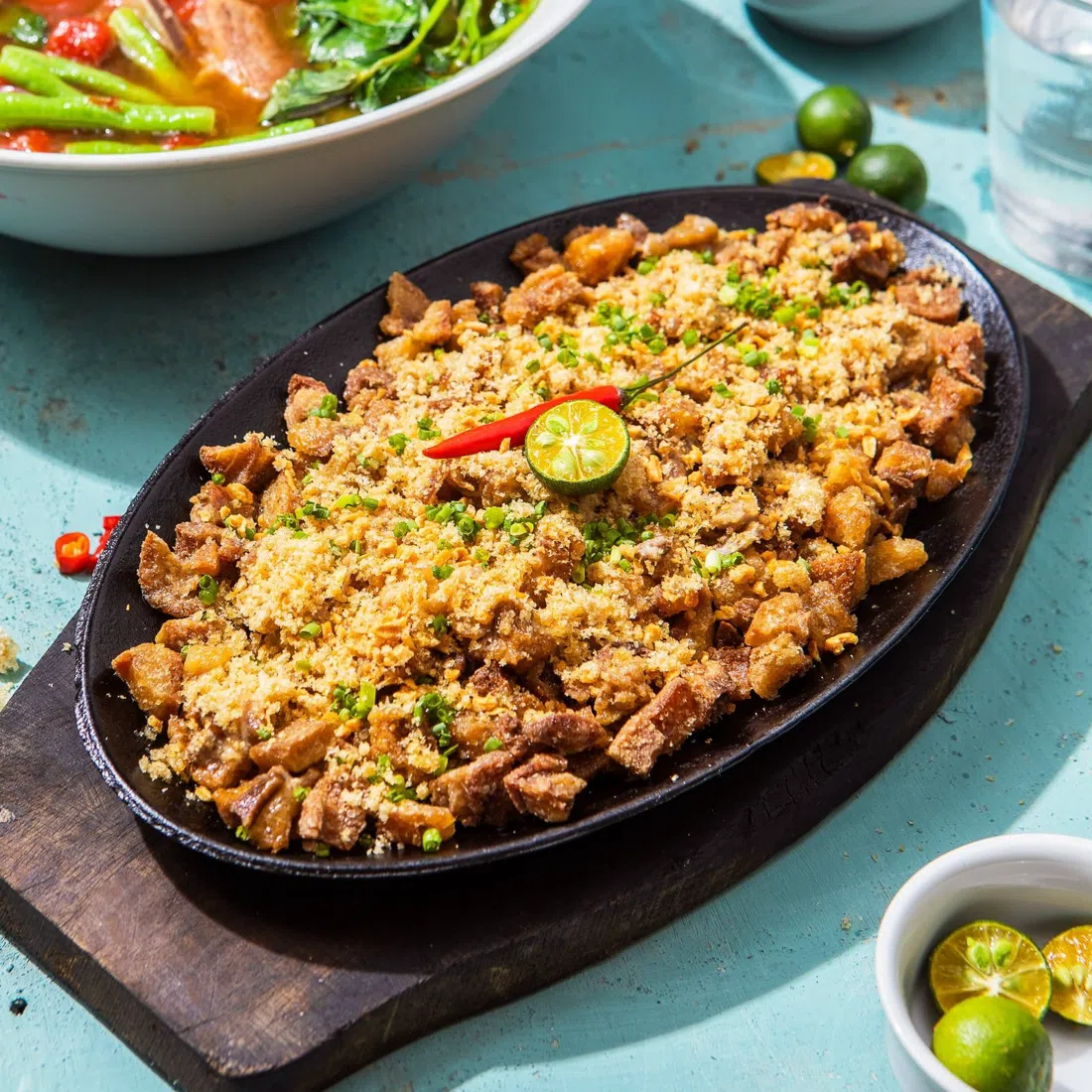
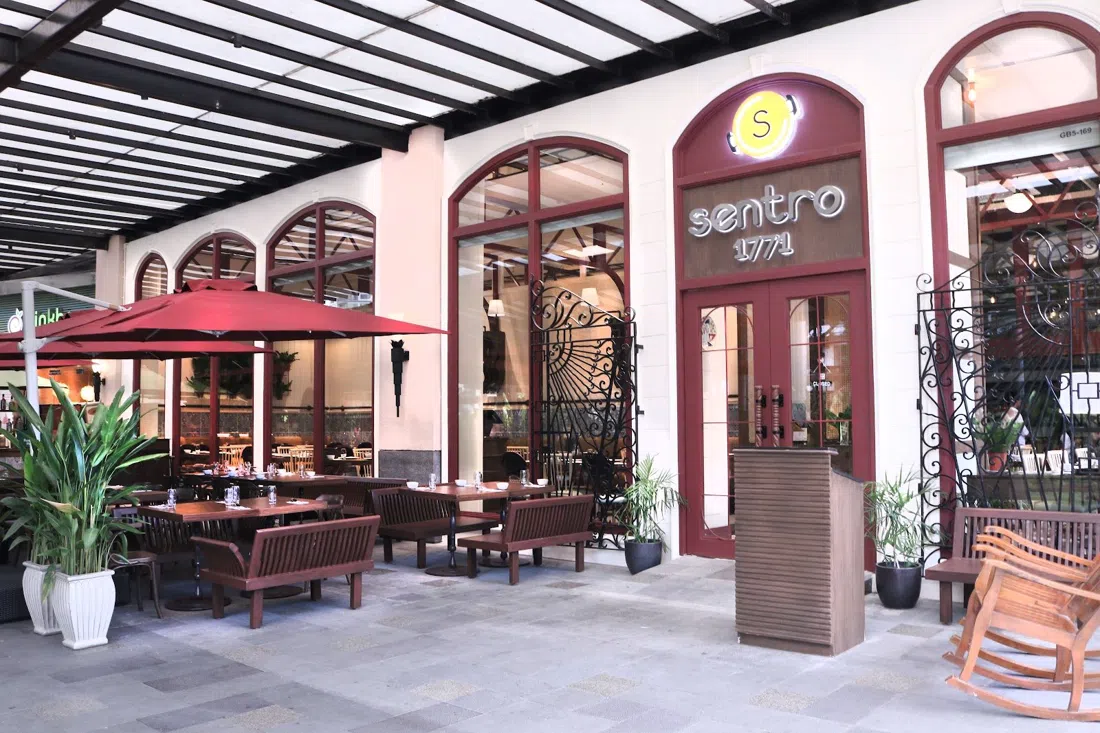
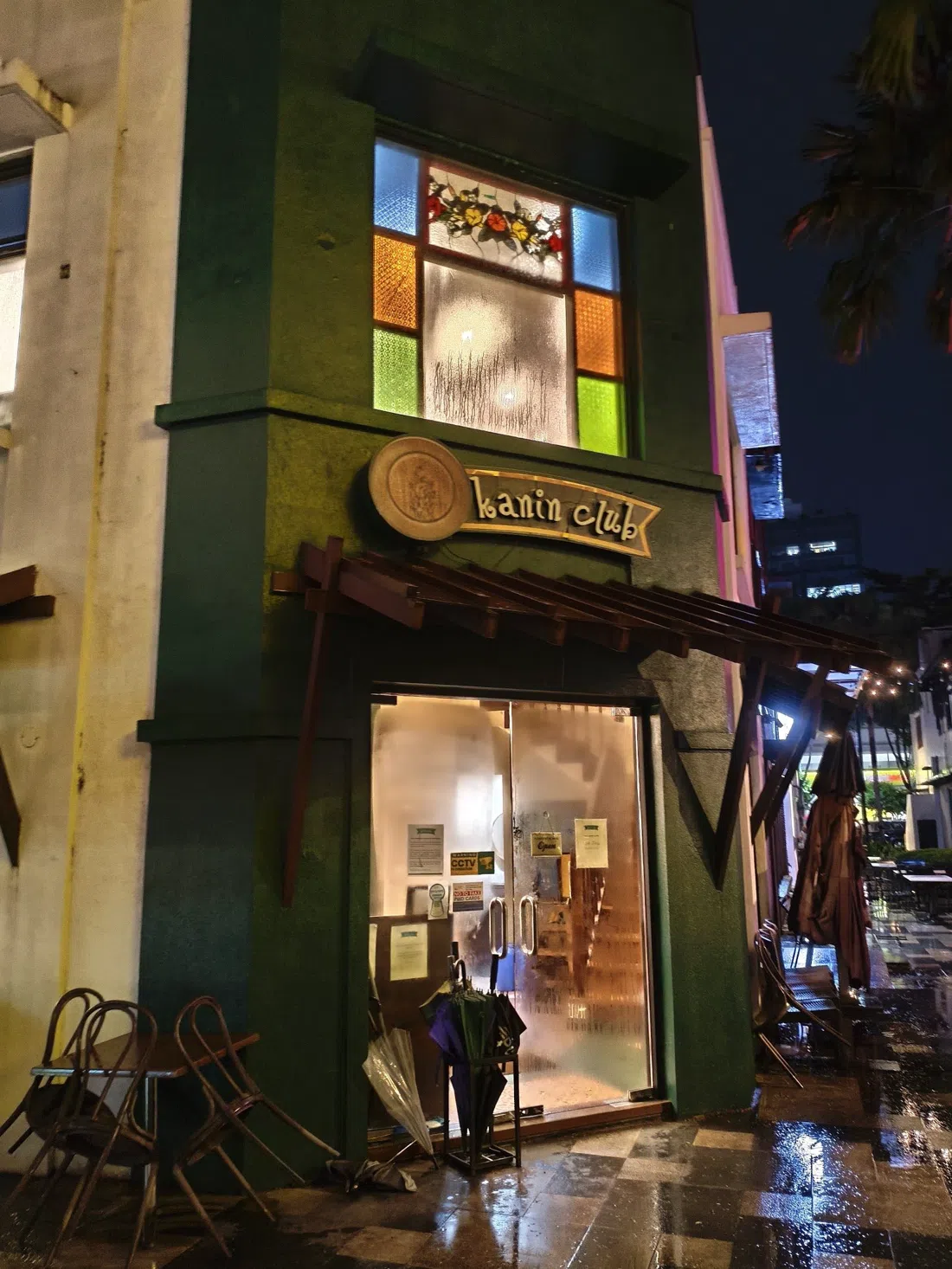
Sentro 1771, running since 2002, is generally credited with starting the "modern Filipino" movement in the capital in the first place, and every Metro Manila branch has private function rooms built for group bookings — useful if you want the counterpoint to the carinderia end of the spectrum in one sitting, ₱500-900 a head. Kanin Club takes the same comfort-food repertoire outdoors into garden and multi-table seating designed for barkada — friend-group — dining, closer to a grilled backyard party than a restaurant, ₱350-650 a head, and it's the better pick if your group wants the barbecue side of Filipino cooking without a streetside stall.
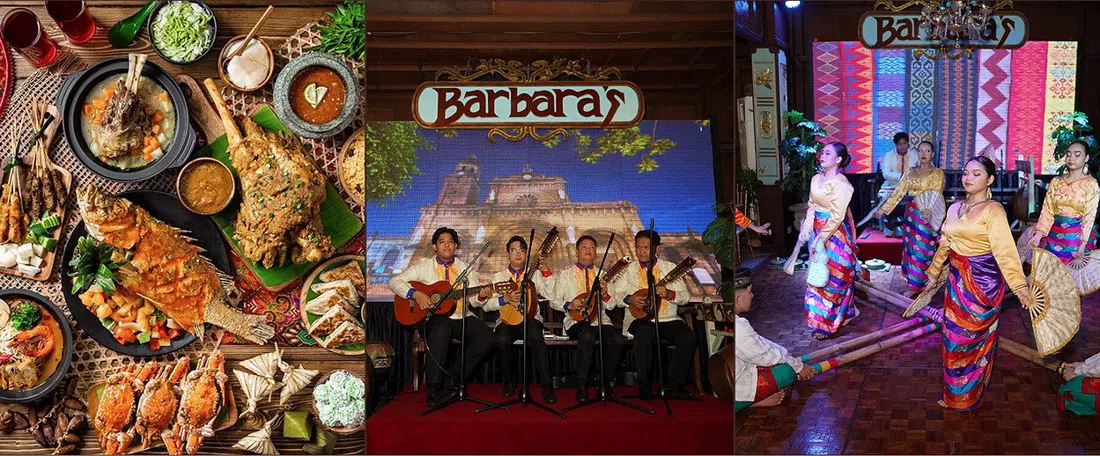
For visitors who want the full cultural framing alongside the food, Barbara's Heritage Restaurant (Intramuros, inside the walled city) runs a nightly dinner buffet with a folk-culture show, plus a lunch buffet and show on weekends. It's explicitly built for tour groups rather than an intimate dinner, and at ₱1,500-2,200 a head it's the most expensive entry on this list — but it's also the single clearest one-stop introduction to Filipino food and culture together, which has real value if your trip is short and Intramuros is already on the itinerary.
Weekend Grazing at Salcedo Market
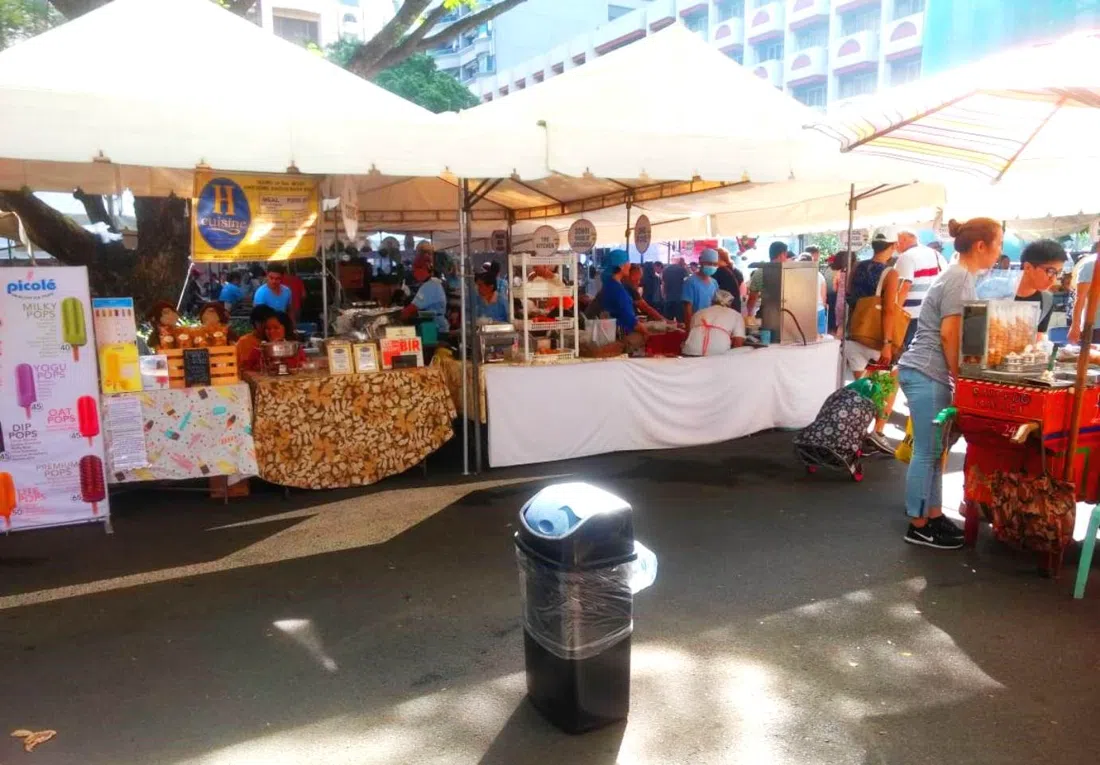
If you'd rather build your own tasting menu than commit to one restaurant, Salcedo Community Market (Salcedo Village, Makati) runs every Saturday, 7am-2pm, and is the closest thing in the capital to a curated version of the streetside stall culture you'll find scattered across the rest of the city. Individual stall items run ₱50-300, both cash and e-wallets are accepted, and the open grazing format is genuinely built for groups — better as a Saturday-morning food crawl for four or five people than a formal sit-down meal for two. Go hungry and go early; by midday the good stalls are visibly running low.
Max's and the Fried Chicken Republic
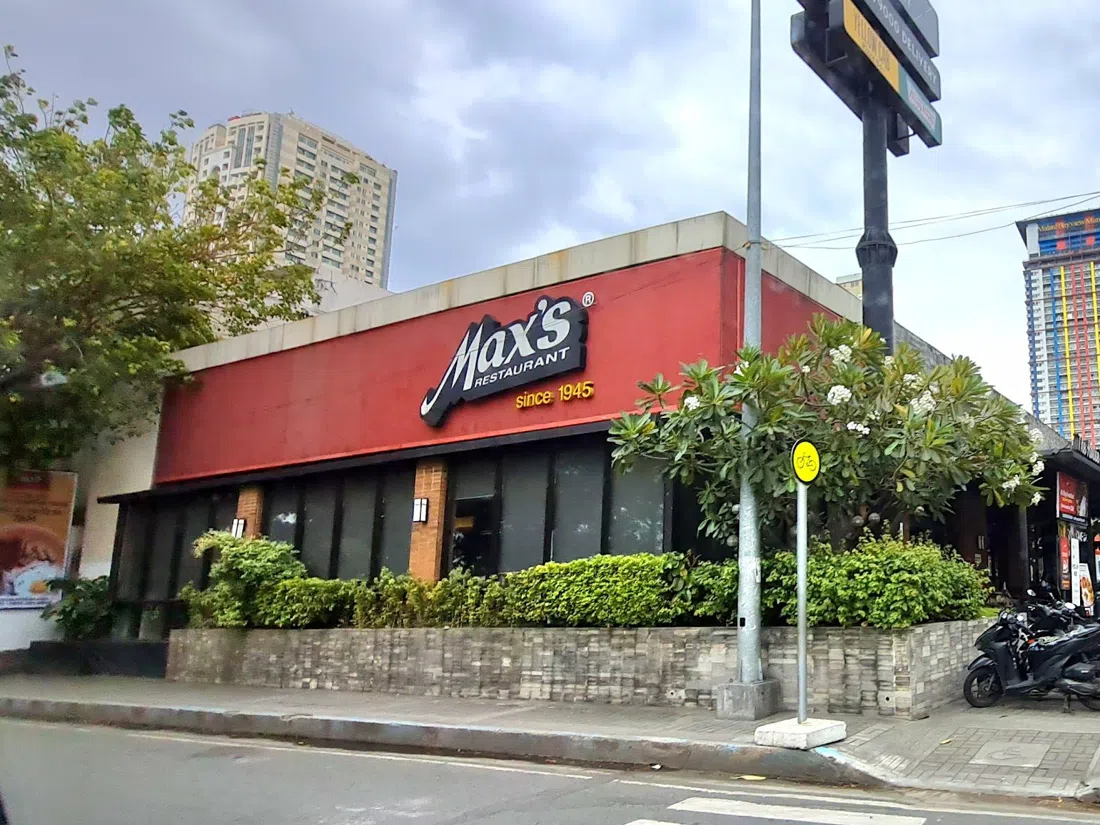
No survey of how Manila eats is complete without the chain that arguably taught the whole country to expect good fried chicken: Max's Restaurant, founded in 1945 originally to feed American troops and now running more than 170 branches nationwide. It's family-style sharing platters, ₱300-550 a head, and it remains the safest, most group-friendly bet in the city precisely because it's everywhere and it's never once let the format slip in eighty-one years. If your group can't agree on anything else, this is the fallback that will not cause an argument — which, in a city built on food arguments, is its own kind of achievement.
Planning the Eating, Practically
Transport: Grab (the region's ride-hailing app) is the easiest way between neighborhoods — Binondo, Malate, Makati and BGC are each their own worlds and traffic between them can run long at peak hours, so don't stack more than two of these across town in one evening. Jeepneys and the LRT/MRT lines work for the budget-minded and connect several of these areas directly, but carrying lechon or takeaway on either is impractical — order that for delivery or pickup instead.
Cash: Carry cash for the Binondo carinderias, Rodic's, and Salcedo Market stalls — several run cash-only or cash-preferred, and Salcedo's e-wallet acceptance varies stall to stall. The hotel, mall and modern-Filipino addresses all take cards without issue.
Timing: Rodic's and Sincerity close or thin out on weekends and by mid-afternoon respectively — go on a weekday morning for either. Salcedo Market is Saturday-only, 7am-2pm, and best before 11am. The Aristocrat is the one address on this list that works at any hour, including 2am.
Budget: A carinderia or turo-turo meal runs ₱120-400 a head; a proper lechon or Chinatown sit-down runs ₱150-600; modern Filipino and heritage-bistro dinners run ₱350-900; the hotel-lounge halo-halo and the Intramuros dinner-and-show sit at the top, ₱600-2,200. A visitor eating across all these tiers over a few days in 2026 should budget roughly ₱500-1,000 a head per meal on average.
Book your stay through Manila hotel search and see the rest of what the city offers beyond the table in the Manila guide.