
For two weeks every February between 1908 and 1939, a walled-off stretch of reclaimed grass beside Manila Bay became the loudest, brightest place in the Philippines: grandstands strung with lights, industrial pavilions selling the colony's progress to the world, and a queen crowned before crowds who had come by inter-island steamer and provincial train just to see her. The Manila Carnival was the American colonial city's own invention, part trade fair and part beauty pageant, and it is largely forgotten now because almost nothing of the fairgrounds survives. What does survive (the hotel its dignitaries slept in, the theater built in its final decade, the shopping street its visitors walked) is close enough together to trace in a single day.
Where the fairgrounds actually stood
Rizal Park (Luneta) — Wallace Field, Ermita, is the open ground everything else in this story points back to. On 27 February 1908, the four gates of the first Manila Carnival opened here: Wallace Field, then part of Luneta and Bagumbayan, walled up with Pampanga sawali matting and hung with arches and blue-and-yellow banderitas. Captain George T. Langhorne, a U.S. Navy aide, had proposed the fair as a goodwill gesture between the colonial administration and Filipinos, and as a way to put the islands' commerce and agriculture in front of investors. That first Carnival also elected two queens (Pura Villanueva of Iloilo as Queen of the Orient and Marjorie Radcliffe Colton of Illinois as Queen of the Occident), a ballot-purchase fundraiser dressed up as a pageant that, by 1926, had folded into a single national title: Miss Philippines, with regional runners-up crowned Miss Luzon, Miss Visayas and Miss Mindanao.
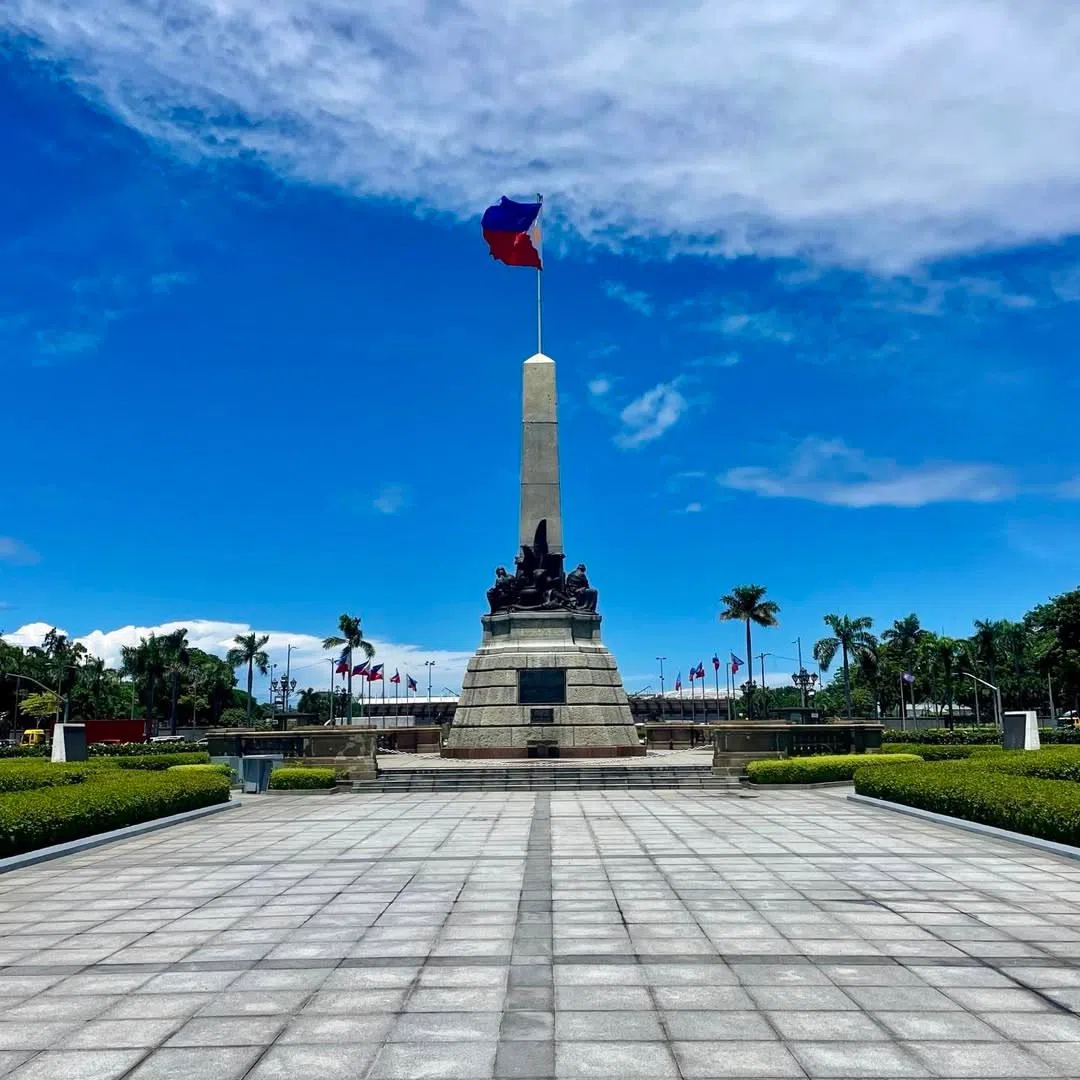
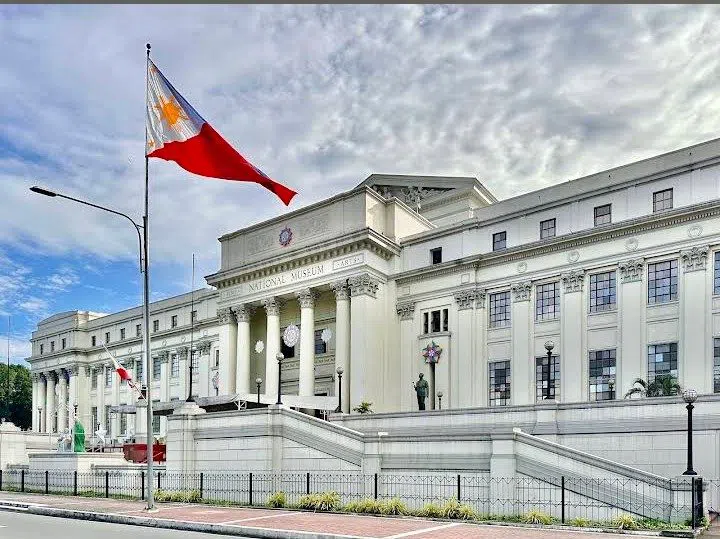
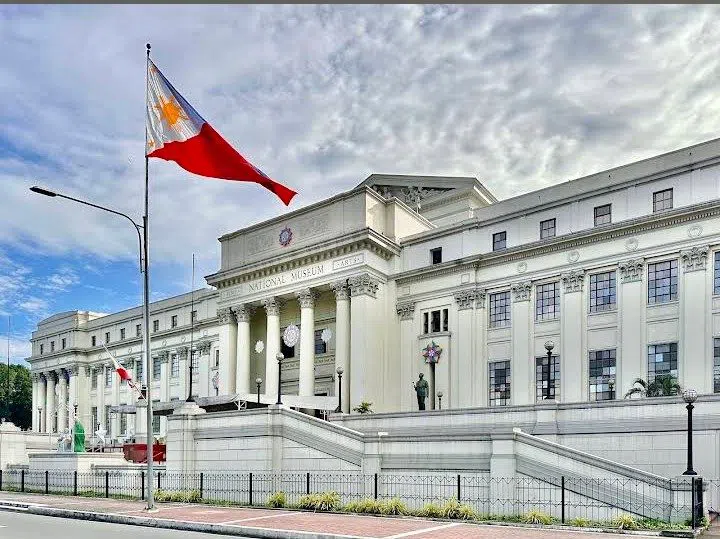
None of the temporary grandstands or arches survive; they were built new each January and dismantled every March. What you get today is the field itself, part of the wider Rizal Park, open to the public around the clock, free, no booking, no cap on group size. It rewards slowing down rather than looking for anything: stand roughly where the Rizal Monument now draws the crowds, face the bay, and the fair's scale is a matter of imagining wooden grandstands running the length of the open lawn. Pair it with the National Museum of Fine Arts, Ermita, a two-minute walk across the park, which occupies the old Legislative Building, the grandest surviving piece of the exact American-colonial Manila the Carnival was built to display, even though the building itself postdates the fair's early years. Entry is free, no booking needed, and school and tour groups pass through constantly, so solo readers chasing a quiet room should aim for a weekday morning.
The hotel and theater the fair's glittering set actually used
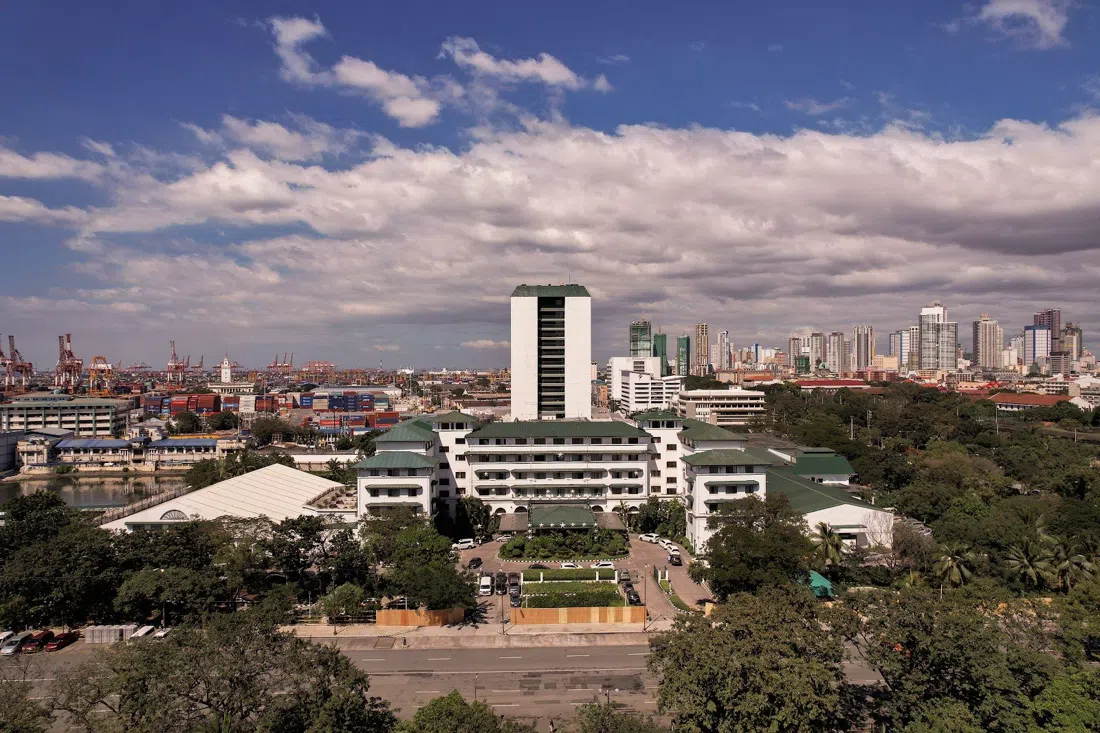
The Manila Hotel, facing Rizal Park across Bonifacio Drive, opened in 1912, four years into the Carnival's run, and it is where the fair's foreign dignitaries, touring naval officers and visiting American businessmen stayed. It is still operating, still under the same roof, and still the closest thing Manila has to a living artifact of the period: walk into the lobby today and the scale and materials are the same ones that greeted Carnival-week guests a century ago. It welcomes groups for afternoon tea or dining with a reservation, and heritage tours can be arranged through the concierge; afternoon tea runs about ₱1,888 for two, and rooms start around ₱9,000 a night. This is a booking, not a walk-in: call ahead if you want the concierge tour rather than just the lobby.
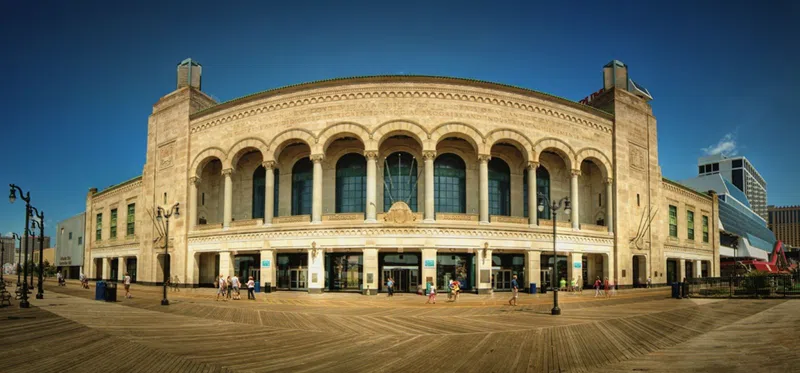
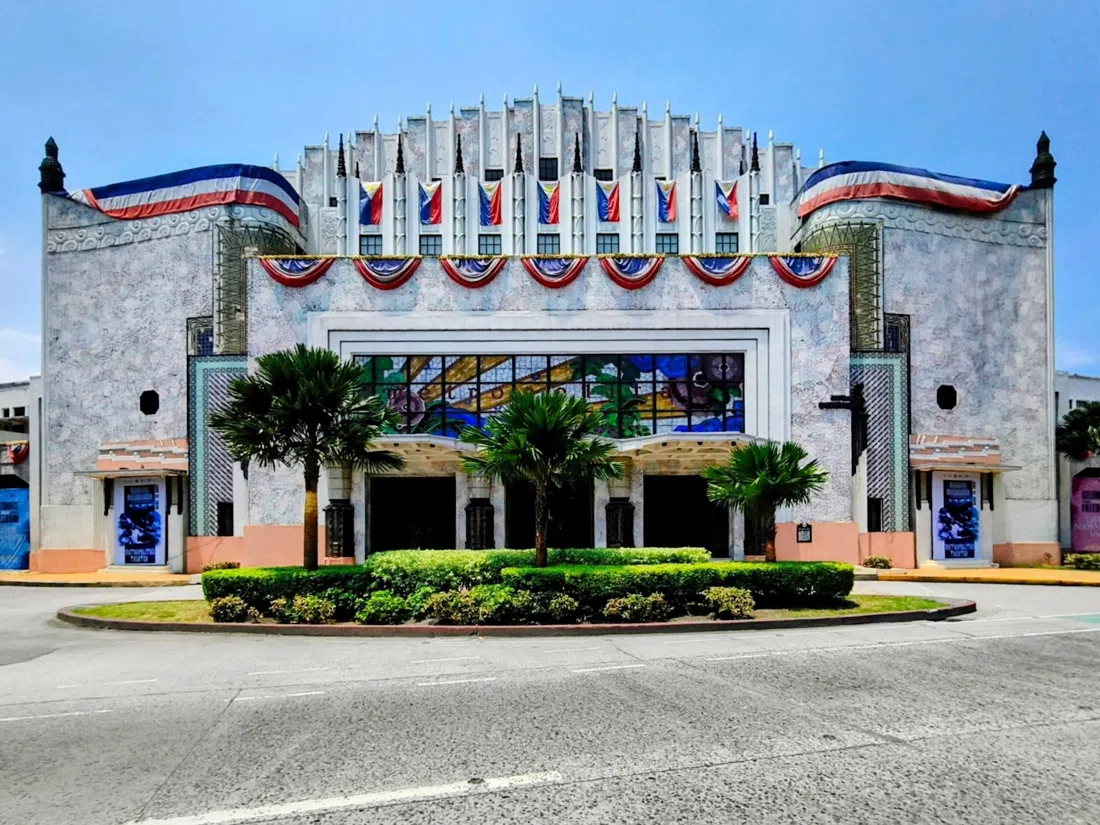
A ten-minute walk north, past Mehan Garden, sits the Manila Metropolitan Theater (the MET), near the old fairgrounds' edge. It opened in 1931, squarely inside the Carnival's last, most cosmopolitan decade, and its Art Deco lines are the single best-preserved architectural statement of the exact image Manila was projecting at the fair: a city fluent in the same visual language as Paris or New York. The MET has been restored and reopened, but access is genuinely restrictive: free guided tours are offered once a month, on the third Sunday, capped at 100 people, and there is no flexibility for private group timing outside that slot. Book ahead through the MET's own channels rather than showing up and hoping. Outside the tour, the building operates as a ticketed performance venue, so a concert or recital is the fallback if your visit doesn't line up with the third Sunday.
Escolta Street, the shopping mile the fairgoers actually walked
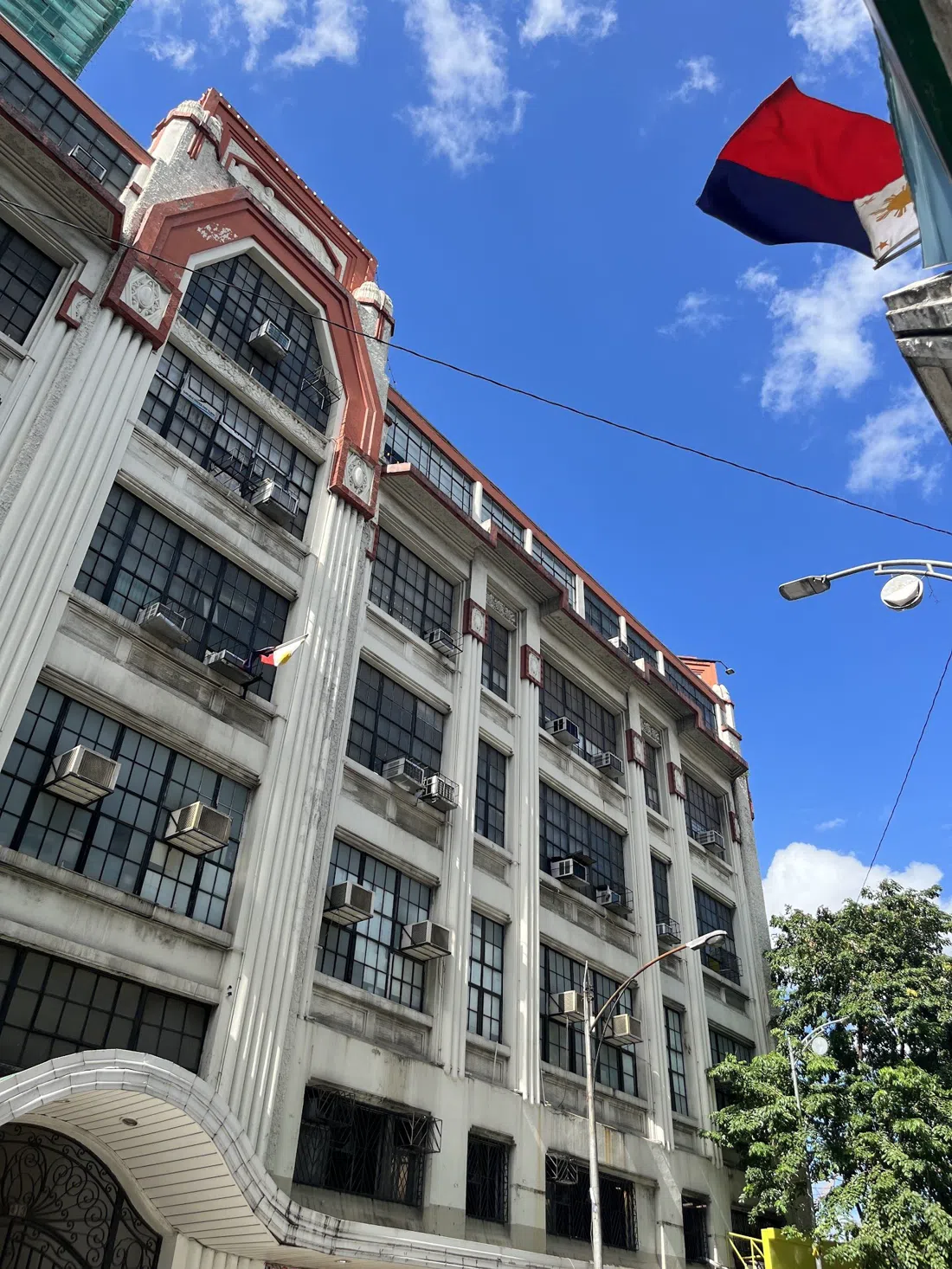
Escolta Street & First United Building Community Museum, Binondo, was Manila's commercial spine through the entire Carnival era: department stores, cinemas and Art Deco office towers that gave the fair's visitors somewhere to spend money once the pavilions closed for the night. Much of that streetscape is still standing, in varying states of restoration, and the First United Building now houses a small community museum documenting the district's design history. Walk-ins and small groups need nothing more than a free afternoon; the street itself costs nothing to explore. The museum charges ₱50 (₱20 for students), and larger parties who want context rather than a self-guided wander can book a heritage walking tour. Renacimiento Manila runs the best-known ones, and they're worth it here specifically, since the buildings read very differently once someone points out which cinema, which bank, which department store sat where. Go on a weekday if you want the street half-empty; weekends bring vendors and foot traffic that make photography slower going.
Museums that frame the world the Carnival was performing for
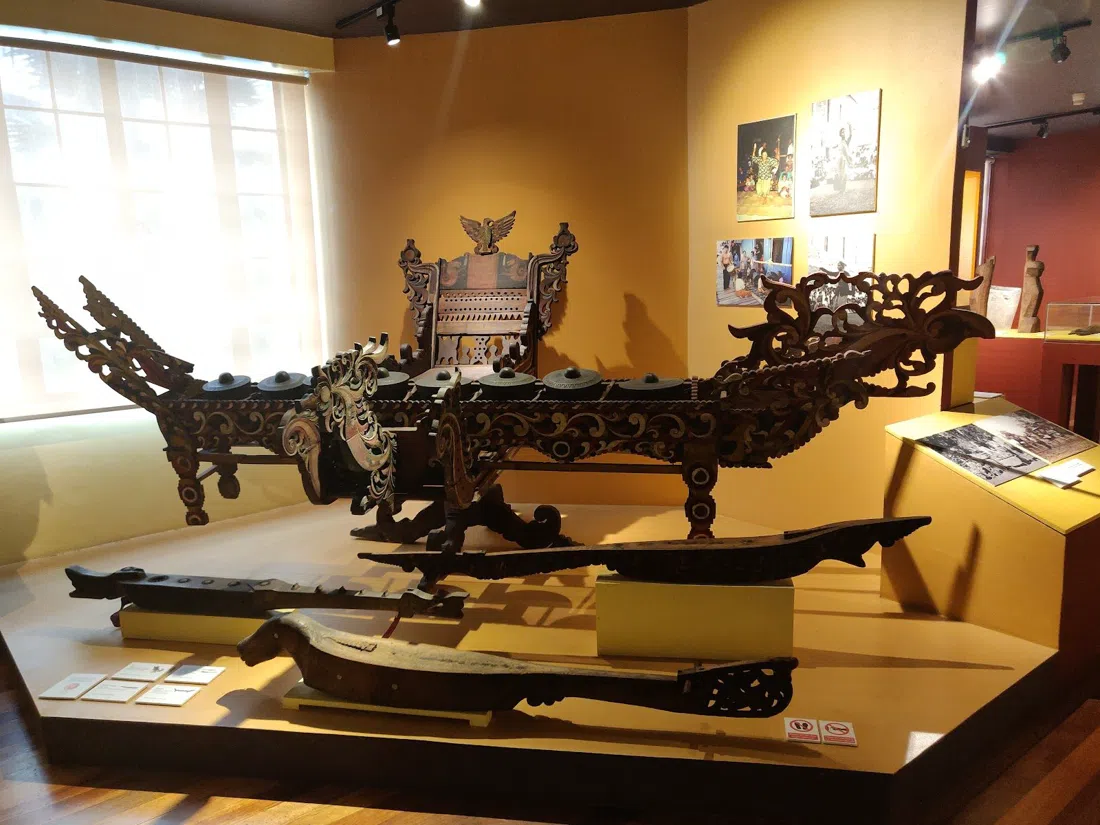
The fair didn't exist in isolation, and four collections around the city do useful work explaining what it was arguing for. The National Museum of Anthropology, Ermita, sits directly beside the Museum of Fine Arts in the same National Museum complex, and its galleries on the peoples and provinces of the archipelago echo the Carnival's own conceit: presenting the islands, curated and staged, to a cosmopolitan Manila audience and the foreign guests it was courting. Entry is free, groups are welcome, and no booking is required, which makes it an easy add-on to the Wallace Field stop rather than a separate outing.
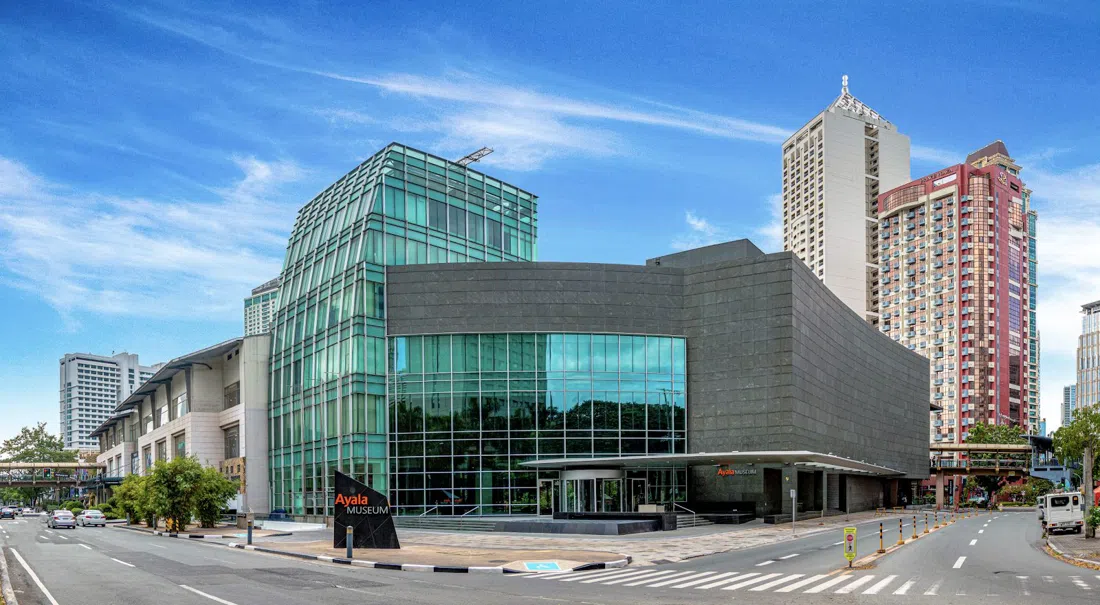
Across town in Makati, the Ayala Museum does something different: it isn't tied to the Carnival specifically, but its collection gives the wider historical arc (Spanish colonial rule, the American period, independence) that the fair sat inside. Treat it as scene-setting rather than a Carnival stop proper, and plan it as its own half-day rather than bolting it onto an Intramuros or Ermita loop, since Makati is a genuine transit hop from the rest of this route. Entry runs ₱425 to ₱750 depending on visitor category, and advance booking is recommended for larger tour groups.
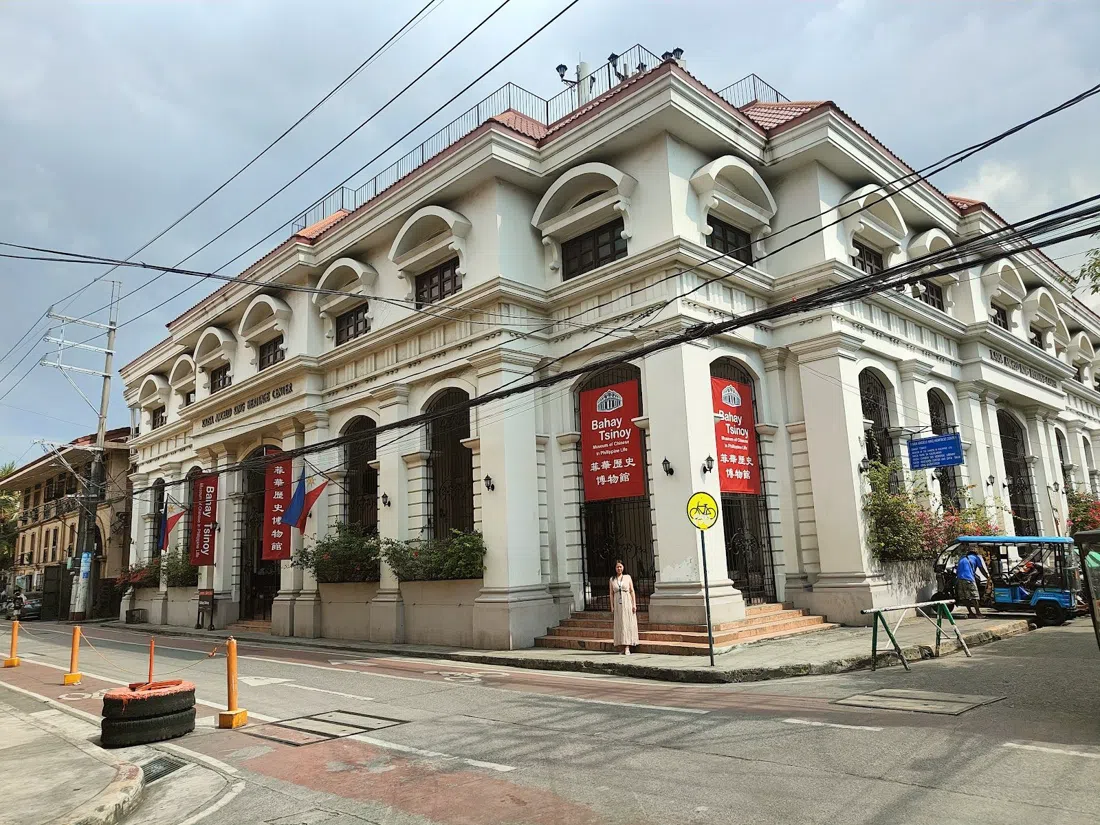
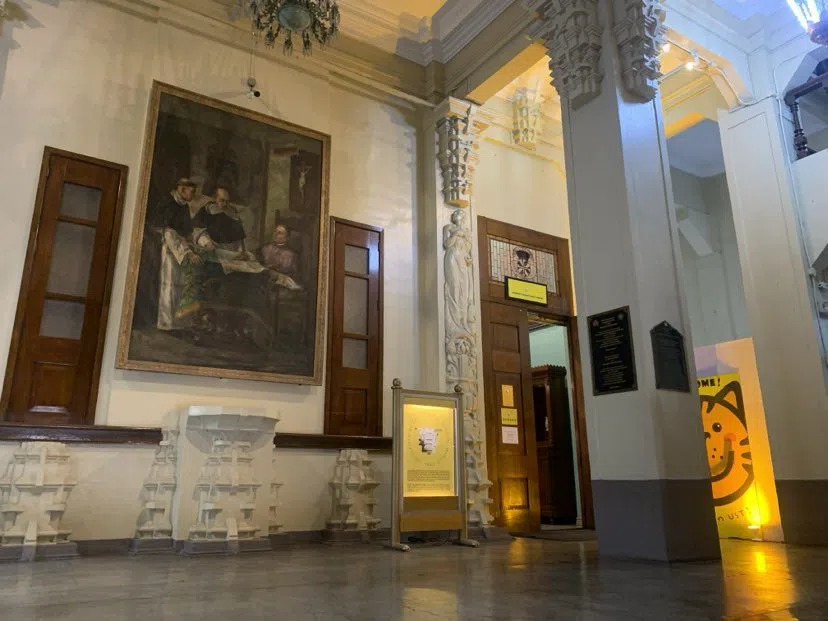
Back in the old city's academic quarter, the UST Museum, University of Santo Tomas, Sampaloc, sits inside Asia's oldest university, which was already three centuries old when the first Carnival Queen was crowned, a short LRT ride from where the fairgrounds stood. Walk-ins are welcome, though groups of 15 or more need to email ahead to reserve. Entry is ₱50, or ₱30 for students. And in Intramuros, Bahay Tsinoy, Museum of Chinese in Philippine Life, documents a community whose Manila presence long predates and long outlasts the Carnival, with a genuinely useful counter-narrative to the fair's American-colonial framing. It accepts group tours with advance notice and charges a moderate entrance fee worth confirming on the day, but its hours are the tightest on this list (Tuesday to Sunday, 1pm to 5pm only), so it needs to anchor your afternoon plan rather than get squeezed in around it.
The old walled city the fairgoers themselves still recognized
Intramuros predates the Carnival by roughly three centuries; the fairgoers of the 1920s and '30s would have found the walled city as historically layered as visitors do now. Fort Santiago & Casa Manila, Intramuros, are the two most group-friendly stops on this whole route: guided walking tours are widely available through the Intramuros Administration, and neither site requires the kind of advance planning the MET or Bahay Tsinoy do. Casa Manila, a reconstructed Spanish colonial house-museum, charges ₱75 (₱50 discounted); Fort Santiago has its own separate entrance fee. One practical note worth knowing before you go: the Riverwalk Gate at Fort Santiago was closed as of a January 2026 advisory, so enter via the main gate rather than planning a route through the riverside entrance.
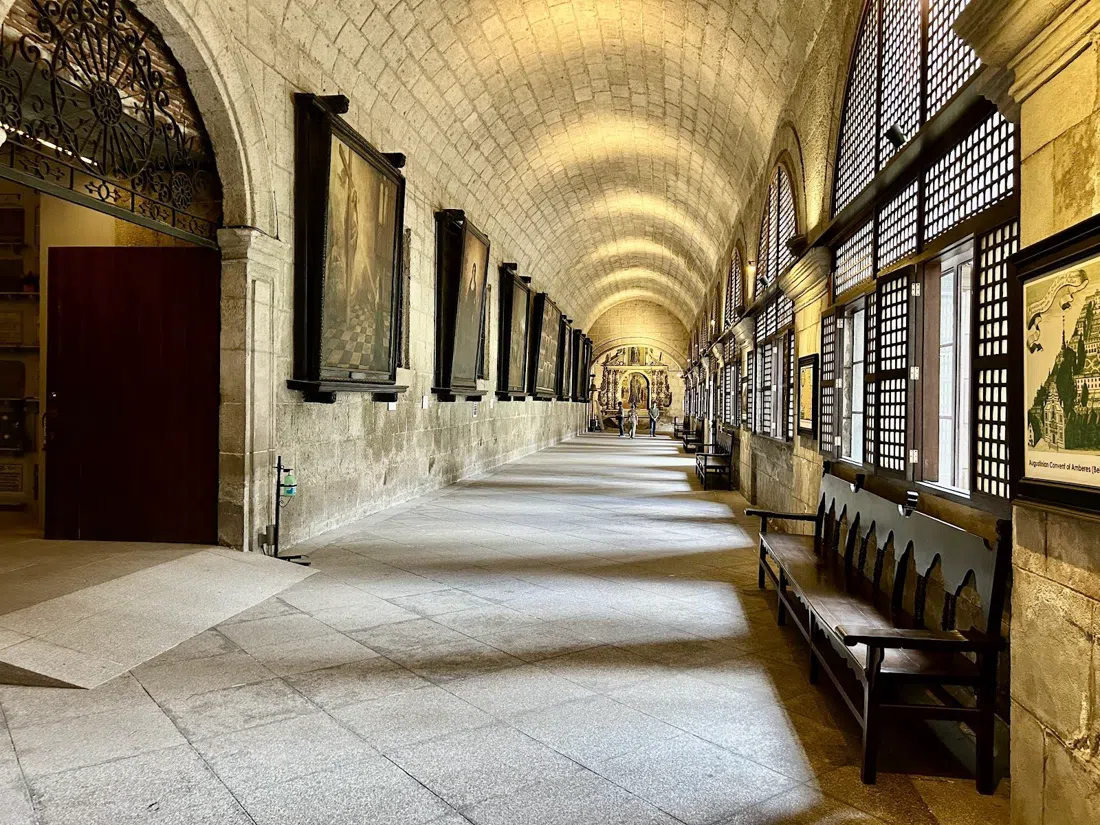
A few minutes' walk away, San Agustin Church & Museum, Intramuros, is the oldest stone church in the Philippines and the one building on this list that fairgoers of every generation, Carnival-era included, would have recognized on sight. It accepts groups, and entry is ₱200, but tours are restricted during Mass or weddings: check the schedule before building it into a tight itinerary, since a Saturday afternoon visit can easily coincide with a ceremony.
Where the paper trail survives
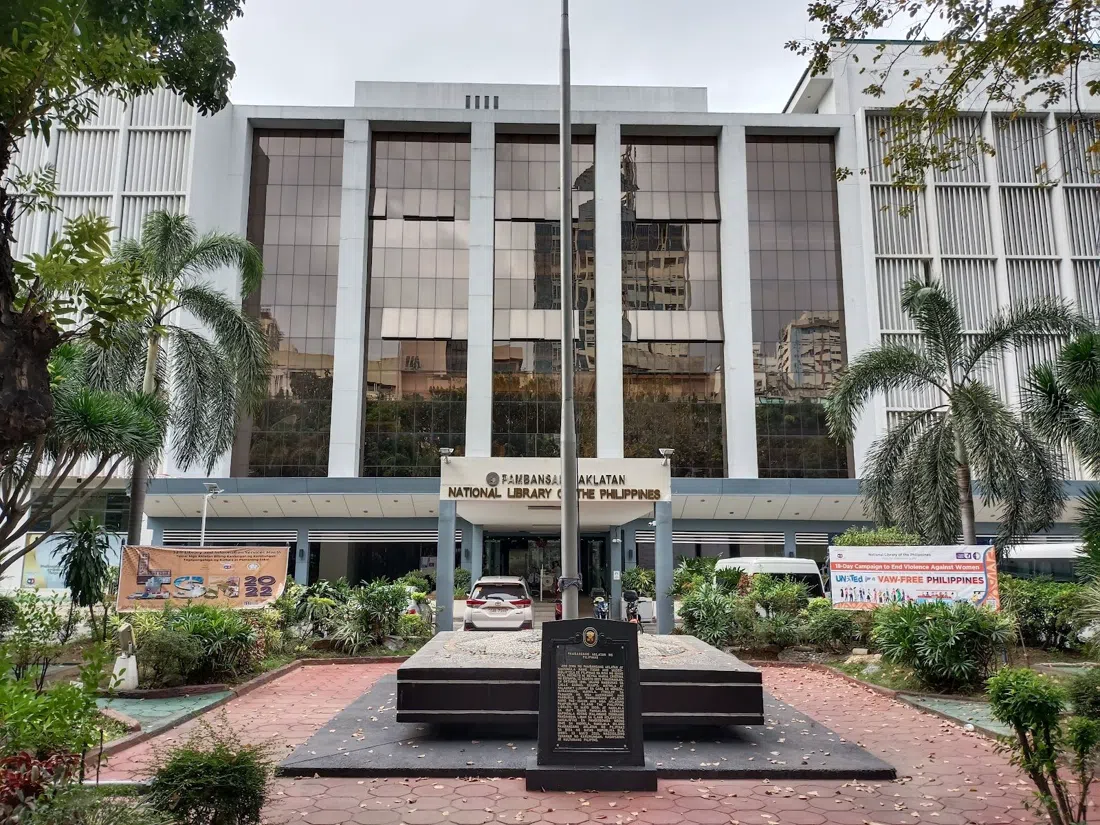
Everything else on this route is buildings and grass; the actual evidence (photographs of the grandstands, newspaper coverage of the queen's coronation, the ballot-selling campaigns that funded it) lives at the National Library of the Philippines — Filipiniana Division, on T.M. Kalaw Avenue in Ermita, a short walk from Rizal Park. Entry is free, and it's genuinely set up for individual researchers or small groups rather than tour parties; anyone bringing a larger group should contact the library ahead rather than arriving unannounced. This isn't a must-see for a casual afternoon, but for anyone who wants the primary sources behind this story rather than a secondhand account of it, it's the only stop on the list that has them.
Getting around, cash, timing and budget
The Ermita cluster (Rizal Park, the Manila Hotel, the National Museum complex, the National Library) is comfortably walkable in a morning; give it three to four hours if you're going into the museums rather than just the park. The MET and Escolta are a short jeepney or Grab ride north, both walkable to each other, and Intramuros is a further ten to fifteen minutes by tricycle or a longer walk along the bay side. UST is reachable by LRT Line 2 from the Ermita area with one transfer; Ayala Museum in Makati is genuinely a separate trip and worth treating as such rather than squeezing into the same day.
Carry cash. Entrance fees across this route are modest, mostly ₱50 to ₱200, but several of the smaller museums, including Bahay Tsinoy and the UST Museum, aren't set up for card payments at the door. Grab is the easiest way to cover longer hops between clusters; jeepneys and tricycles work for short Intramuros-to-Escolta connections if you're comfortable with the flow of local traffic.
On timing, the MET's monthly third-Sunday tour and Bahay Tsinoy's Tuesday-to-Sunday, 1pm-to-5pm window are the two genuine constraints: build the day around whichever of those you want to hit rather than treating this as a route you can run any day of the week. San Agustin's Mass and wedding restrictions are the other variable worth checking before you commit to a Saturday.
For budget, a full day covering the National Museum complex, Rizal Park, Casa Manila, Fort Santiago and San Agustin, plus lunch and transport, runs comfortably under ₱1,500 per person given how many of the anchor sites are free. Add afternoon tea at the Manila Hotel and you're closer to ₱2,000 to ₱2,500 per person for the day, which is the one genuine splurge on this list and arguably the most direct link back to 1920s Carnival Manila you can sit inside. If you're basing yourself in Ermita for the whole route, start with the Manila hotel search, and for the wider city beyond this one history trail, the Manila guide covers where to go next.