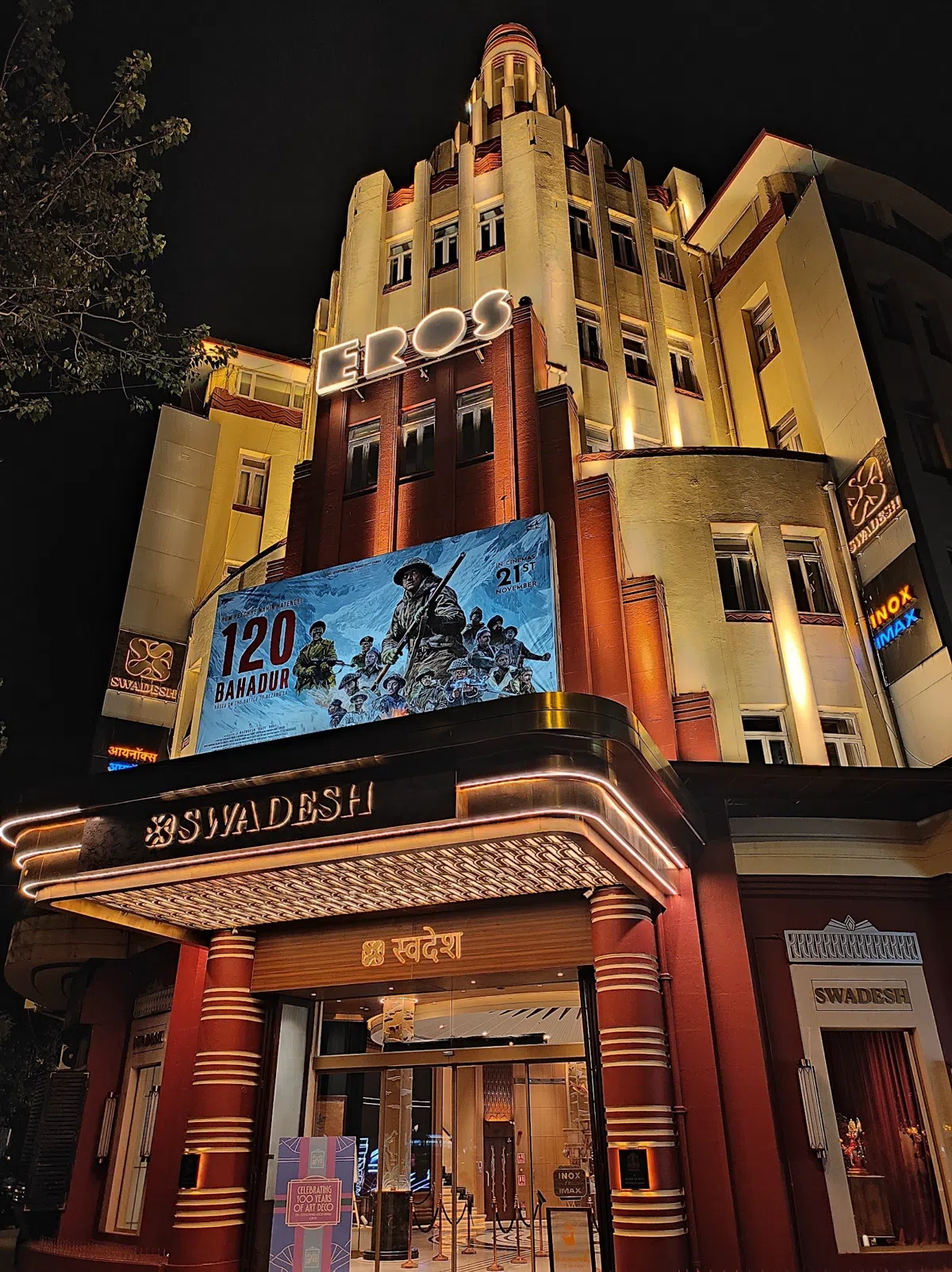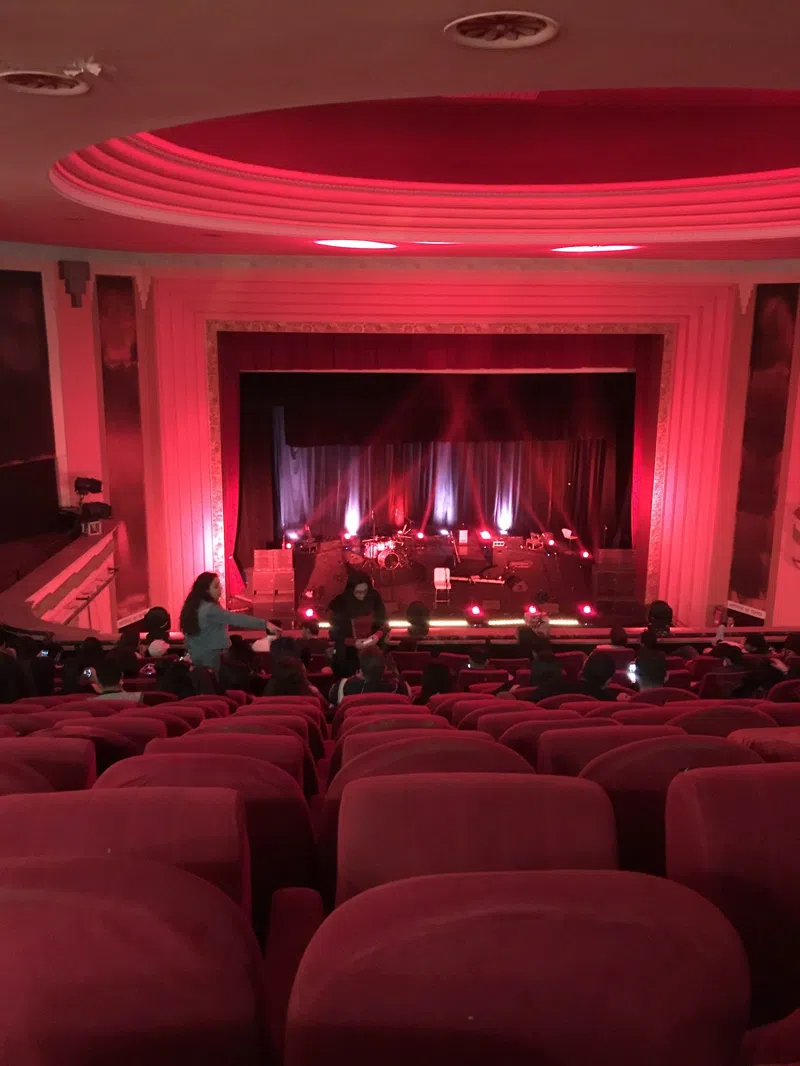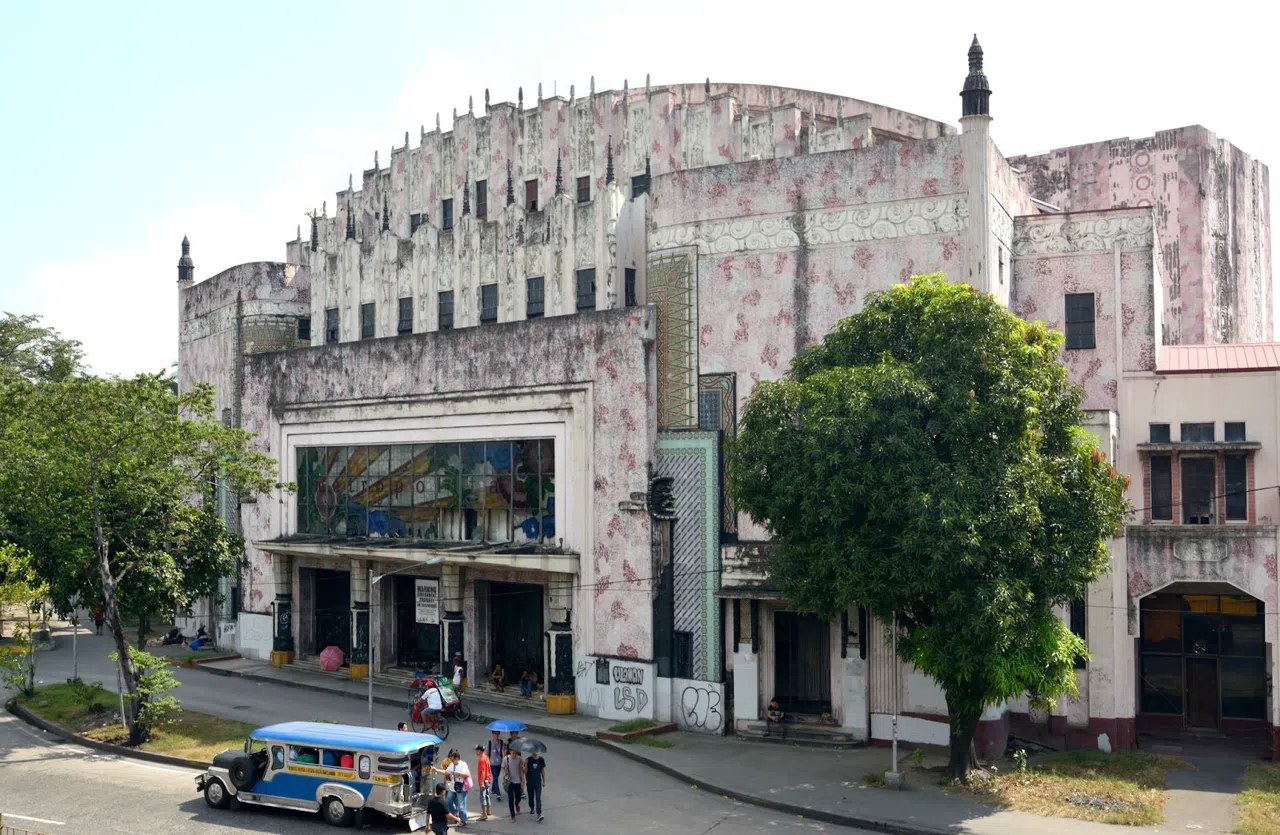

The dome of the Manila Metropolitan Theater still catches the evening light the way it did in 1931, when Juan Arellano built it as the Philippines' answer to the great Deco theaters of the world. Walk two kilometers north and west from there and you cross a river being slowly relit, past office blocks that once ran the country's stock trades, into a city still deciding what to do with its own good bones. This is a route for people who like their travel with dates and door hours attached, not superlatives.
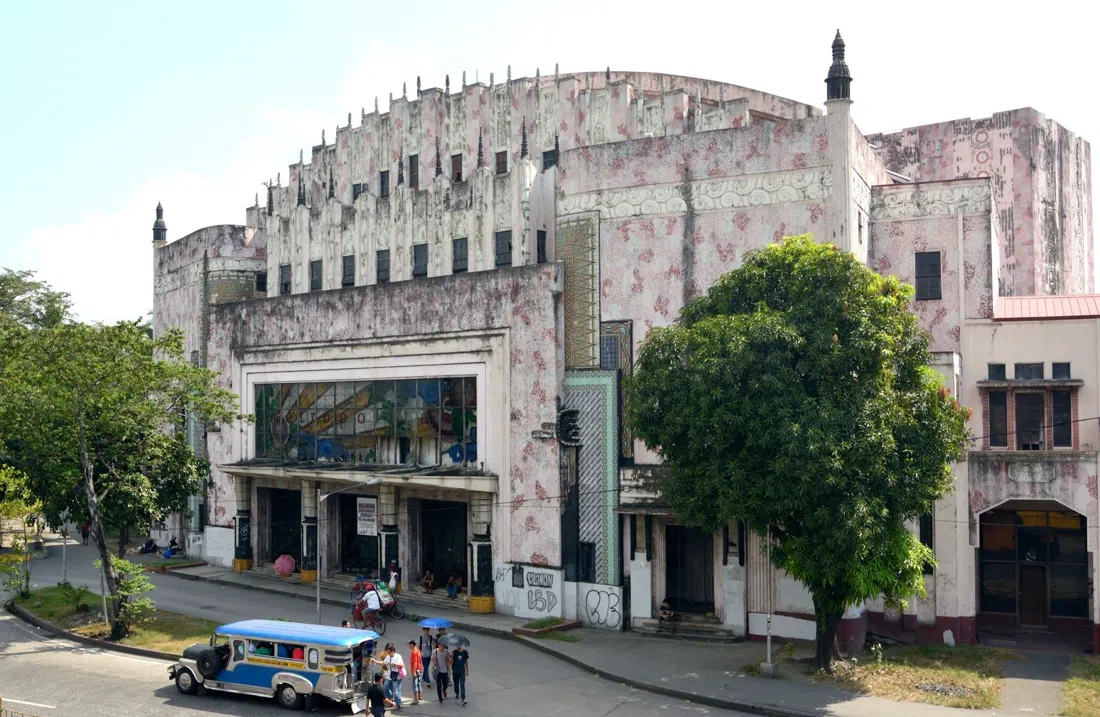
The Manila Metropolitan Theater anchors the whole route
Start at the Manila Metropolitan Theater on Padre Burgos Avenue in Ermita, across from Mehan Garden. Arellano designed it in 1931 as a fusion of Art Deco geometry and tropical ornament: the mango and banana leaf reliefs around the proscenium are original motifs, not later additions. The building was gutted more than once by war and neglect before the National Commission for Culture and the Arts (NCCA) reopened it in 2021 after a full structural restoration. In 2026 it runs two distinct ways to see it. The free guided tour happens on the third Sunday of every month, capped at roughly 100 people, and fills up: book ahead through the NCCA rather than turning up on the day. The second way in is a ticketed evening show, with prices running ₱500 to ₱3,800 depending on the program and seating tier; check the current calendar before you fly, since theater programming shifts month to month. Groups are welcome with advance notice for either option, which makes the Met the one venue on this route that works equally well for a couple killing an afternoon or a tour bus of twelve. Give the building itself 45 minutes to an hour even without a scheduled tour. The lobby and stairwells are worth lingering in, and NCCA staff are generally relaxed about photography in the public areas.
If you want the Met woven into a guided narrative rather than a solo stop, this is also the natural starting point for Old Manila Walks, run since 2005 by heritage guide Ivan Man Dy. It's built for private and group bookings rather than scheduled public departures, and Man Dy tailors the route on request, so ask specifically for an Art Deco or Escolta-focused itinerary rather than his standard walled-city tour, since his default programs lean colonial-era. Expect to pay roughly ₱1,500 to ₱2,500 per head depending on group size, and book at least a few days out; this isn't a walk-up operation.
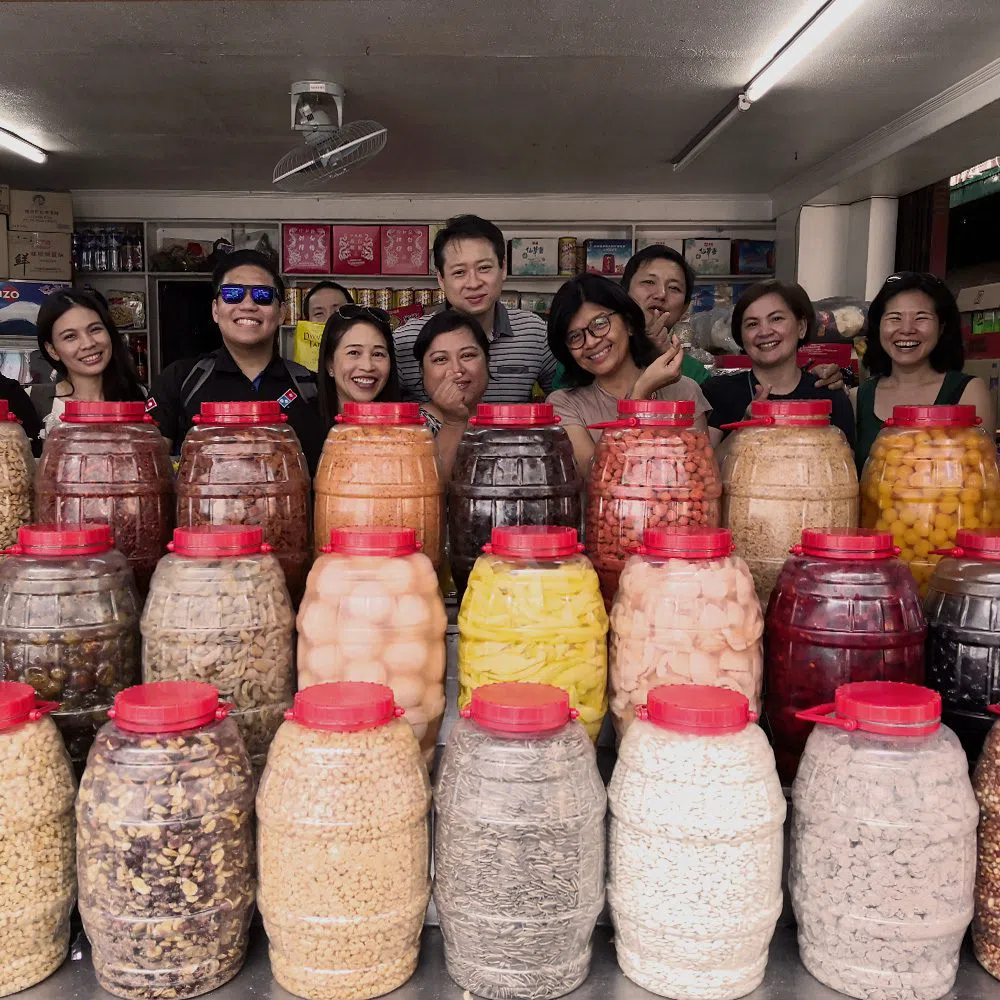
Escolta's Art Deco blocks are being saved one floor at a time
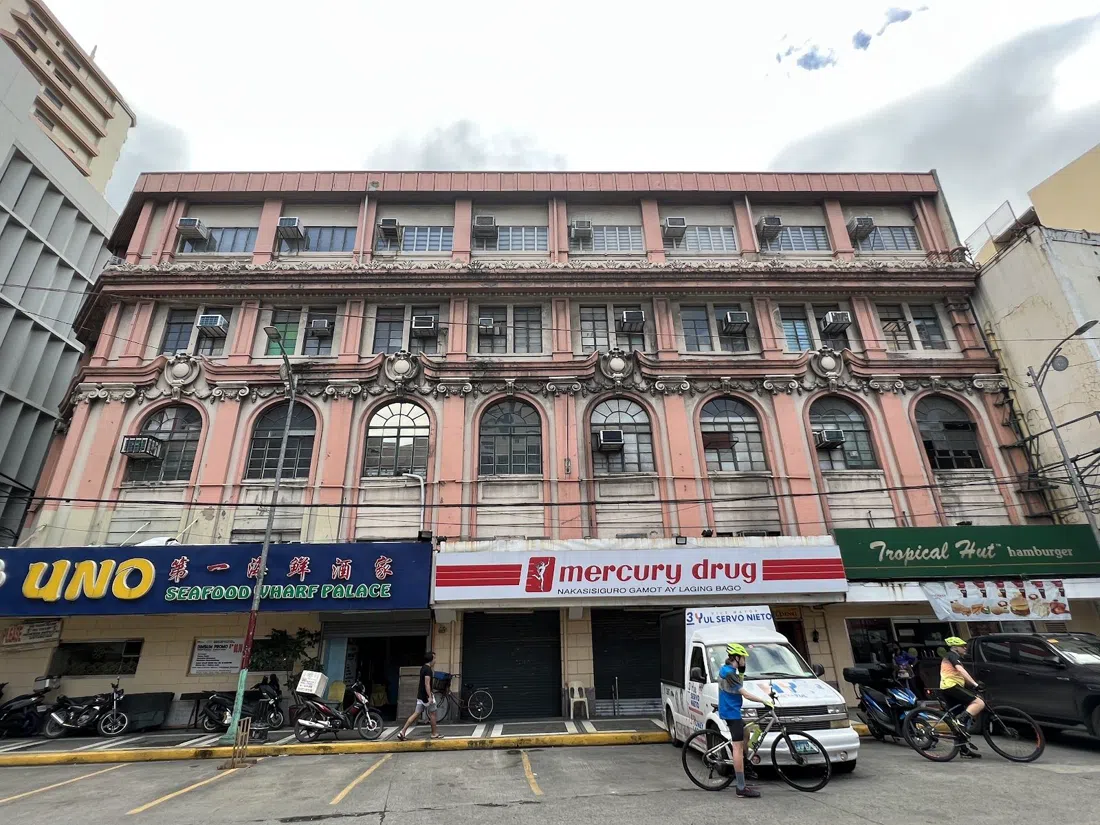
From the Met, head toward Santa Cruz and the short stretch of Escolta Street that was once called the Wall Street of the Philippines, the commercial spine of prewar Manila, lined with the country's first department stores, banks, and cinemas. Most of that stock is gone, but the First United Building is the clearest evidence of what Escolta was and what it's becoming. Built in 1928, it's a proper Art Deco department-store block, and its ground floor is a walk-in affair: cafés and small shops operate normal retail hours with no booking required. The upper floors are where the story gets interesting: the FUB Community Museum and the 98B COLLABoratory arts collective run events and exhibitions here, and while some access is by appointment, they generally welcome small groups who reach out ahead of time. This is a derelict department store turned working creative incubator, still hosting COLLABoratory programming into 2026, and it's worth asking staff downstairs what's currently on upstairs before you write the building off as just a café stop.
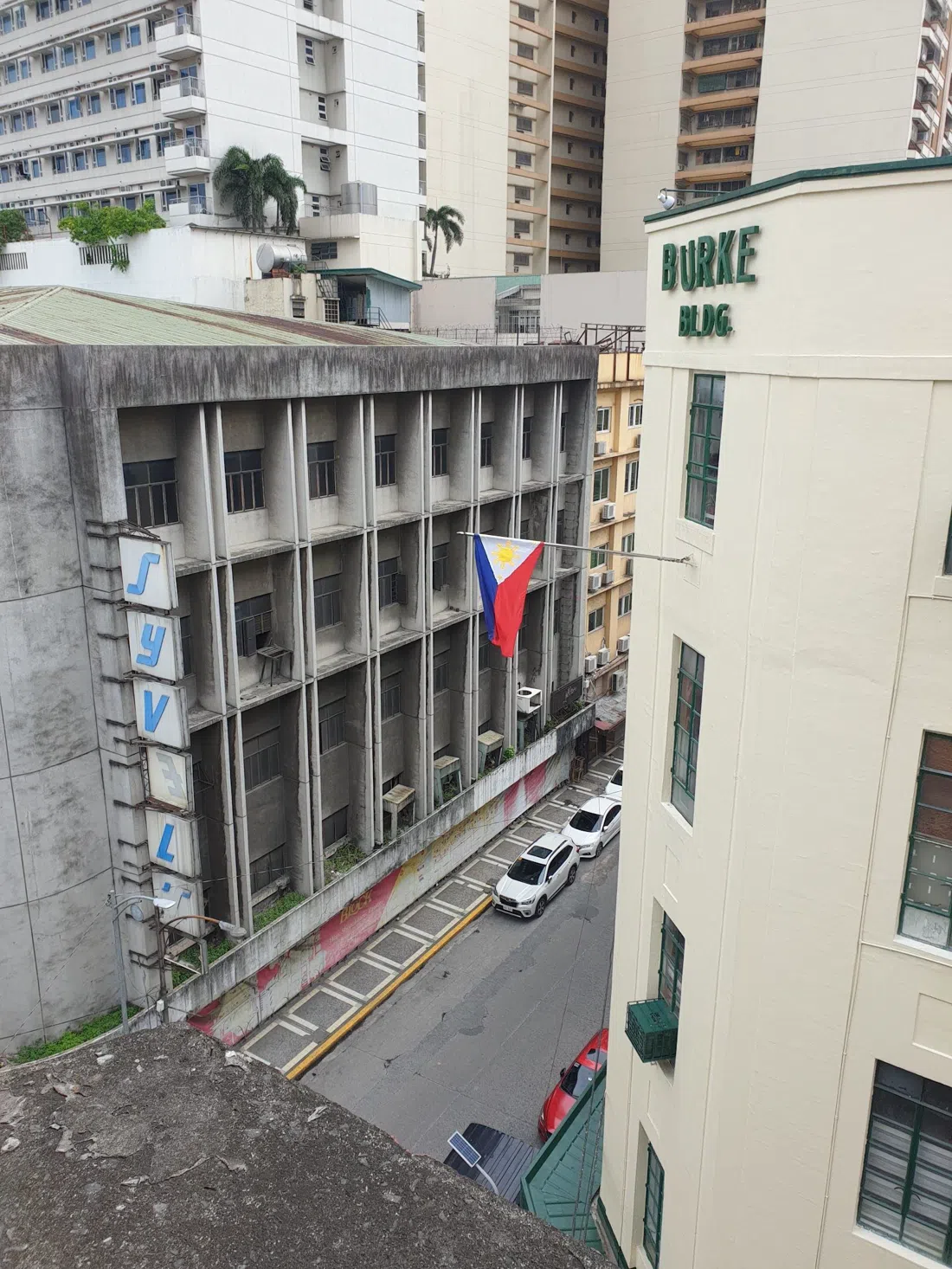
Directly across the street sits the Escolta Museum inside the Calvo Building. It's worth flagging before you arrive that it's Beaux Arts rather than true Deco, but it belongs on the same leg of the walk because of its proximity and its overlapping prewar commercial history. Entry runs ₱50 for regular visitors and ₱20 for students, and groups of four or more get a discounted rate if you call ahead to arrange it. It's a small museum (budget 20 to 30 minutes), but the ephemera on prewar Escolta commerce gives useful context for the First United Building next door.
To understand who's actually doing the restoration work on this street rather than just touring its results, book the Escolta Heritage Walk, run by the heritage-advocacy collective Renacimiento Manila. This is a separate operator from Old Manila Walks, and the pitch is different: you're walking with the people actively driving Escolta's preservation, not a generalist city guide. It's bookable as a group activity through Klook or directly with Renacimiento, at roughly ₱500 to ₱1,000 per head. That's noticeably cheaper than Old Manila Walks, and it's a good option if your interest is specifically in the restoration movement rather than a broader heritage narrative.
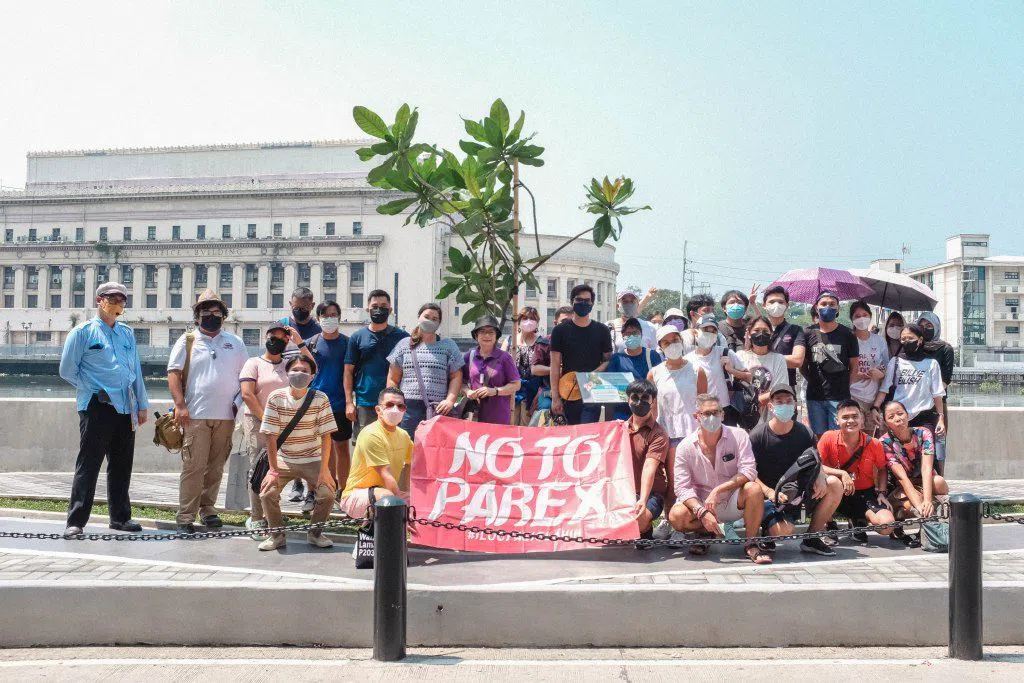
Jones Bridge and the Pasig River Esplanade tie the route to the water
Escolta ends at the river, and Jones Bridge is the physical hinge between the Deco commercial strip and Manila's newest public-space project. The current bridge is a Beaux Arts and neoclassical structure, rebuilt more than once since the original 1919 crossing, most notably after wartime destruction. Its real relevance to this route is recent: it was freshly relit in February 2026 as part of Chinatown Revitalization Phase 2, and the nightly light show now makes it a natural evening stop rather than just a crossing point. It's public space, free, no booking needed, and it works fine for groups since there's no capacity limit or gate.
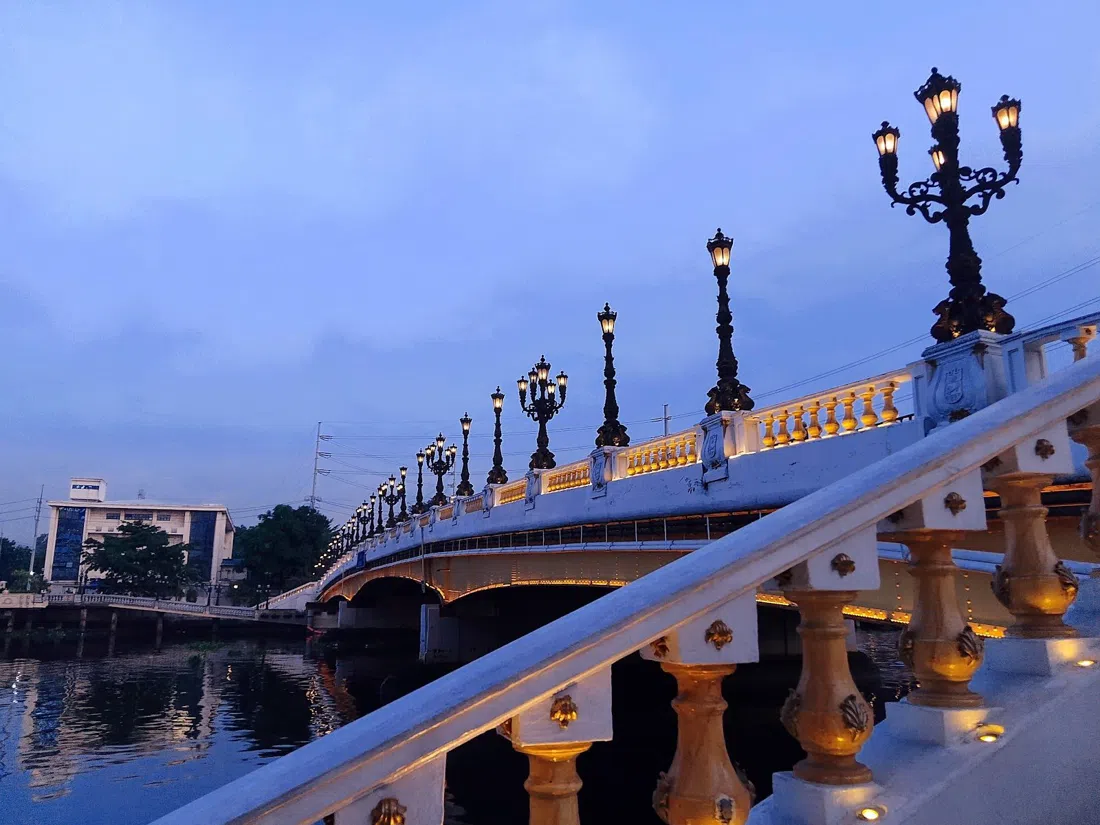
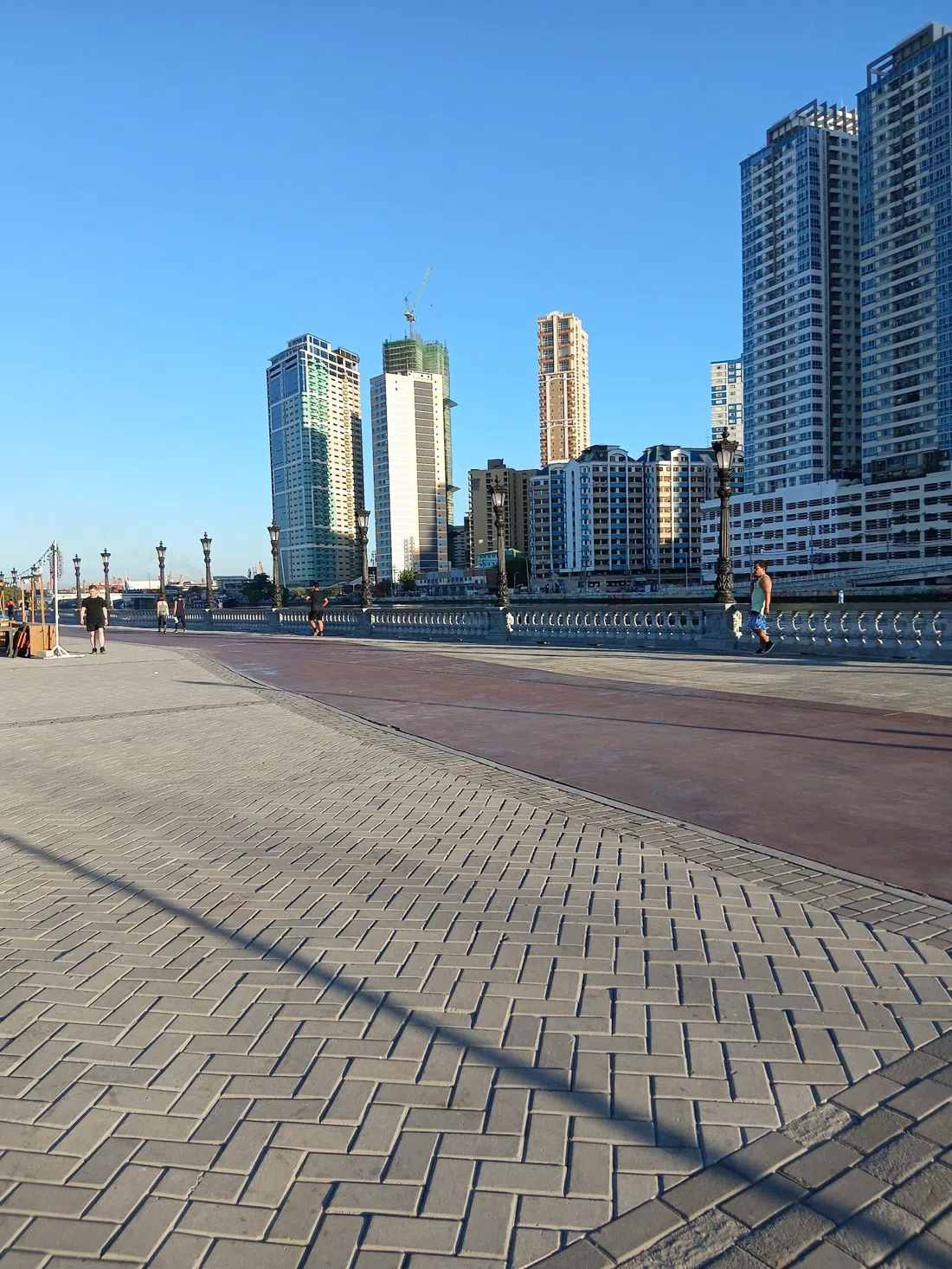
From Jones Bridge, follow the Pasig River Esplanade, the walkway that's the centerpiece of Manila's riverside regeneration push. It's open public space: free, no ticket, and genuinely good for a group walking or cycling rather than a tight single-file tour. It's been verified open and expanding through 2026, connecting stretches of riverfront that were inaccessible or derelict for decades. This is the payoff of the whole route: after two hours of prewar commercial architecture, the esplanade is where the "revival" half of the story becomes tangible rather than historical. Walk it in the early evening if you can, timed to catch the Jones Bridge lights, rather than at midday when the river offers little shade.
Two detours for Deco completists willing to cross town
If the Met and Escolta have you hooked, two further stops reward the extra travel time, though neither sits on the same walkable line as the river route above.
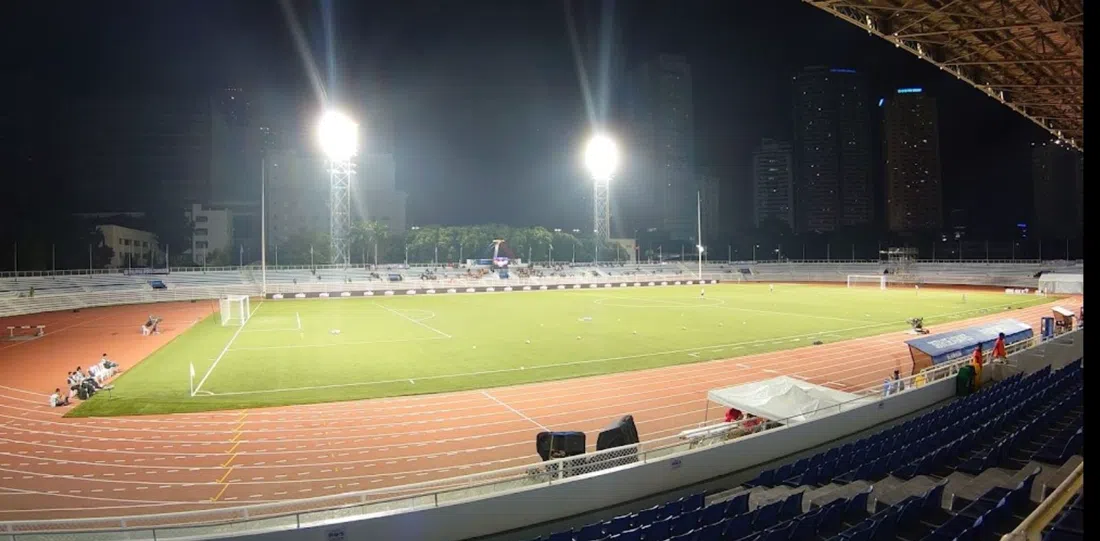
Rizal Memorial Coliseum, inside the Rizal Memorial Sports Complex in Malate, was built in 1934 for the 10th Far Eastern Championship Games and declared a National Historical Landmark in 2017. Unlike the Met, this isn't a preserved museum piece. It's a working PBA and MPBL venue in 2026, which means you're looking at Art Deco architecture still doing its original job. The public track oval is accessible daily from 3pm to 10pm at no cost, and it's a genuinely pleasant place to see the building's exterior lines up close while locals train around you. Formal coliseum tours run through the Philippine Sports Commission office on request, and groups are fine for scheduled game days, but check the PBA/MPBL calendar first, since access changes on match days.
Far Eastern University's Manila campus, in Sampaloc near España, is the most under-visited stop on this list and arguably the strongest architecturally. Six of its buildings, designed by Pablo Antonio, are declared National Cultural Treasures, and the university ran its own Art Deco Heritage Exhibition in May 2026 to mark the distinction. Free art-appreciation tours run on Wednesdays by appointment, and groups are accommodated, but this is a working university campus, not a tourist site. Email ahead rather than arriving unannounced, and expect an academic building rather than a curated museum experience.
Planning the walk
Run the core route (Met, Escolta, Jones Bridge, the Esplanade) as a single half-day loop, roughly 2.5 to 3.5 hours of walking and stops depending on whether you catch a guided tour or museum entry along the way. Add the FEU and Rizal Coliseum detours as a separate half-day if you're staying more than two nights, since neither is a quick add-on to the river leg.
Transport: taxis and Grab are the easiest way between Ermita, Santa Cruz, and Malate; the LRT-1 Carriedo and Doroteo Jose stations both put you within a short walk of Escolta if you'd rather use rail. None of the venues on this route require a car, and traffic around Escolta and the river can be heavier than the distances suggest, so budget extra time rather than cutting it close for a booked tour slot.
Cash: carry small bills. Museum and coliseum entry fees are cash transactions in the ₱20 to ₱150 range, and street-side cafés around Escolta and the esplanade often don't take cards for small purchases.
Timing: aim for a weekday if you want the First United Building's upper-floor programming or FEU's Wednesday tour to align with your visit; the Met's free tour is fixed to the third Sunday of the month regardless of when you're in town, so build your trip around that date if it's the priority.
Budget: the free-and-cheap version of this route (Met exterior, esplanade, Jones Bridge, First United Building ground floor) costs nothing beyond transport. Add a guided walk (₱500 to ₱2,500 per person), the two small museums (under ₱150 combined), and a Met evening show (₱500 to ₱3,800), and a couple can comfortably do the whole thing, guide included, for well under ₱10,000 for two.
For a base within easy reach of both Escolta and the river, start with a Manila hotel search; Ermita and Binondo both put you within a short ride of every stop on this route. For wider context on the city beyond this walk, see the Manila guide.