
Manila does not run on malls, not really. It runs on a window cut into a concrete wall, a hand passing out one cigarette, three eggs, and a sachet of shampoo, and a ledger of chalk marks or a torn notebook page tracking who owes what until payday. There are said to be more sari-sari stores in the Philippines than convenience chains anywhere else in Southeast Asia, and every one of them is restocked, daily, by a supply chain that starts before sunrise in markets most visitors never see. This is a route through that chain: from the wholesale docks of Divisoria to the manicured Saturday tables of Makati, tracing how a five-peso sachet gets from a warehouse pallet to a doorstep.
Before Sunrise: Where the Stock Actually Comes From
The sari-sari economy has a root system, and it is underground in the sense that it runs while the rest of the city sleeps. Balintawak Market, Quezon City, opens its stalls in the dark, and it is not a market built for browsing — it is cash-only, wholesale-priced, and moving fast by the time the sun is up. This is where palengke vendors and sari-sari stockists actually buy, sacks and crates at a time, before the retail day even starts elsewhere. Go in a small group, go early, and go with a purpose; nobody here is selling a single can of sardines, and lingering photographers get in the way of trolleys.
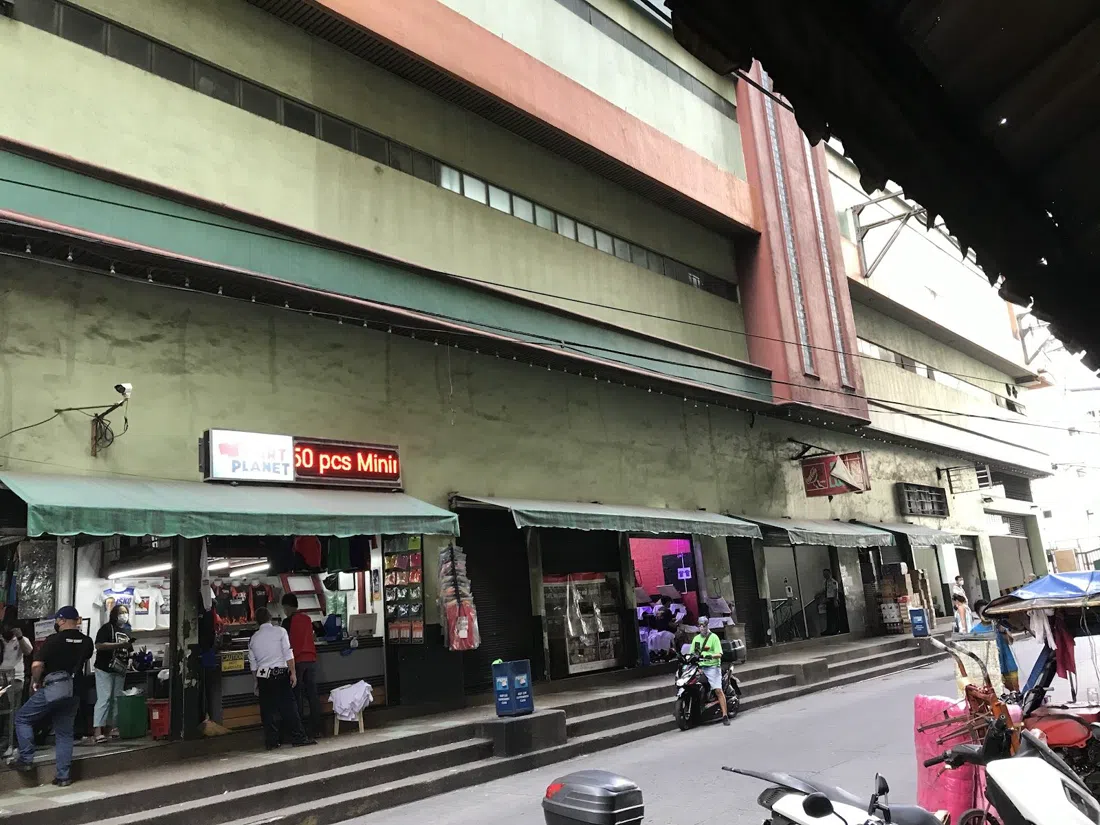
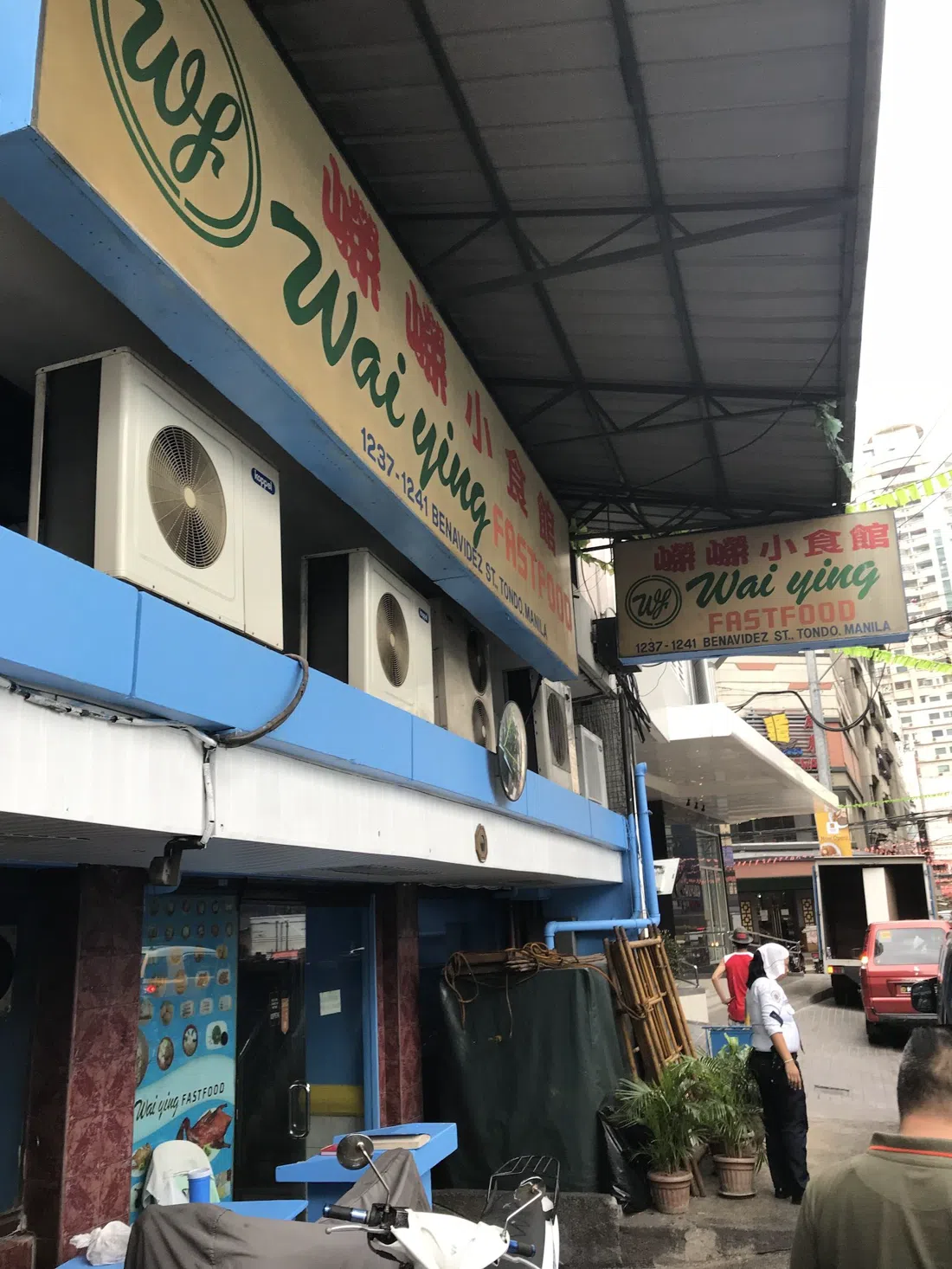
Down in the old port district, Divisoria Public Market (the sprawling Tutuban / 168 / 999 complex), Tondo, is the same idea scaled up and made permanent. This is the literal wholesale headwater of the sari-sari economy — much of what eventually sits on a corner-store shelf, from instant noodles to school supplies, was bought here by the sack. It's fine for groups on foot, but the aisles are tight and the crowds dense enough that staying together takes actual effort; for parties of six or more, a guided tour is worth the fee just to avoid losing someone in the 999 Mall's stalls. Browsing is free, snack packs start at ₱20, and bulk cartons run considerably higher depending on the goods.
The Retail-to-Wholesale Hinge
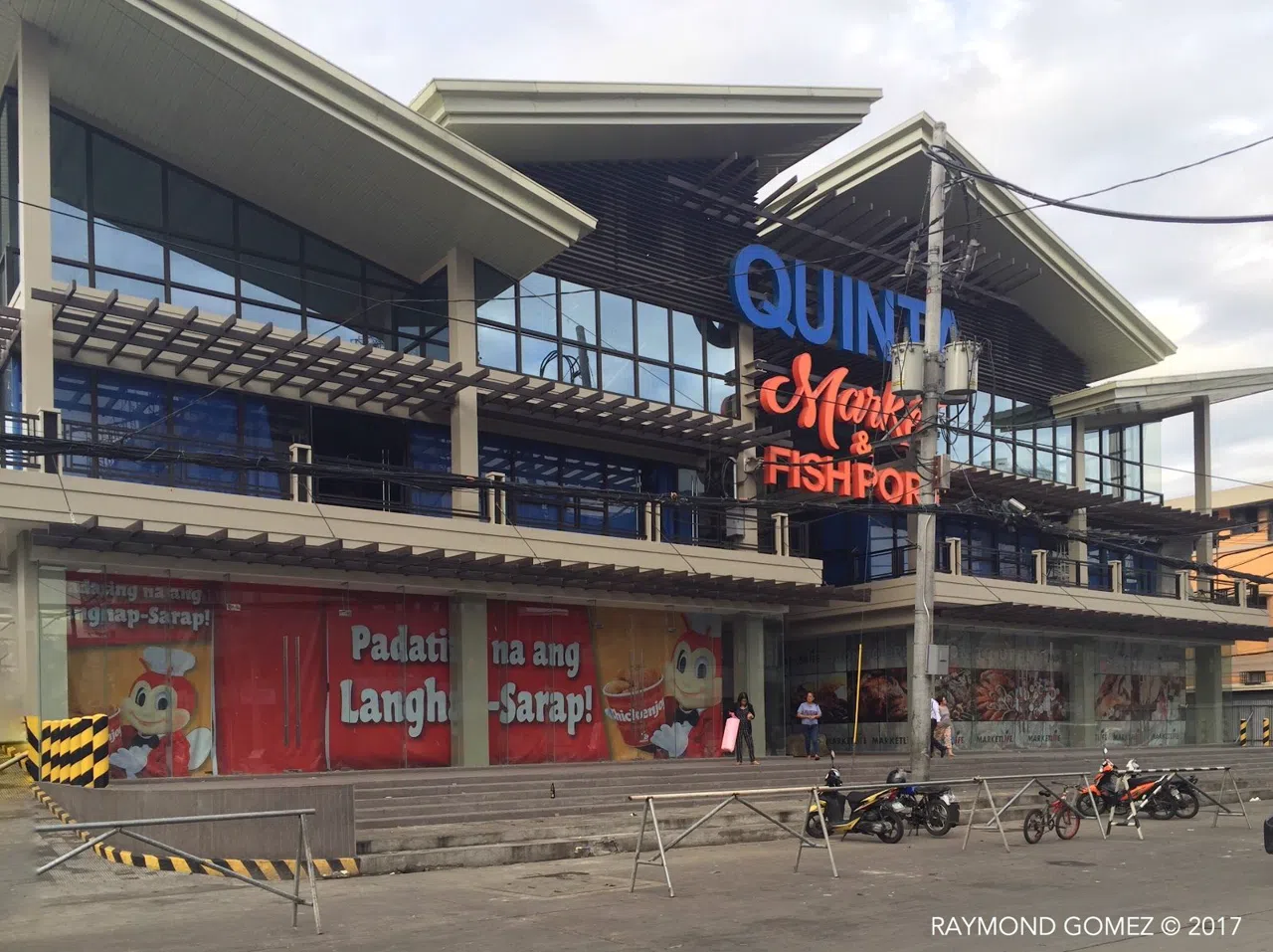
Between the wholesale docks and the neighborhood counter sits a middle layer, and Quiapo is where it's easiest to see. Quinta Market & Ilalim ng Tulay, Quiapo, is a wet market and bargain arcade tucked literally under the bridge, and it's the retail-to-wholesale hinge of old Manila — the same stalls that sell produce to a home cook also supply the running stock of sari-sari owners restocking mid-week. It's genuinely pleasant outside the devotion crowds that swell around the Basilica on Wednesdays and Fridays; go early on any other morning and there's room to actually look at what's on the tables. Everything is free to browse, and produce and snacks run ₱20 to ₱150.
Street Trade, Fixed and Fluid
A sari-sari store is really just a street vendor with a fixed address, and two markets make that lineage obvious. Baclaran Market, Parañaque, is Manila's clearest live picture of informal street-vending culture — an open-air sprawl of bargains from ₱20 that's manageable for small groups any day but genuinely overwhelming for larger parties during the Wednesday novena crush at Redemptorist Church, when the whole area floods with devotees. Come outside that window and it's simply a market: loud, cheap, and honest about what it is.
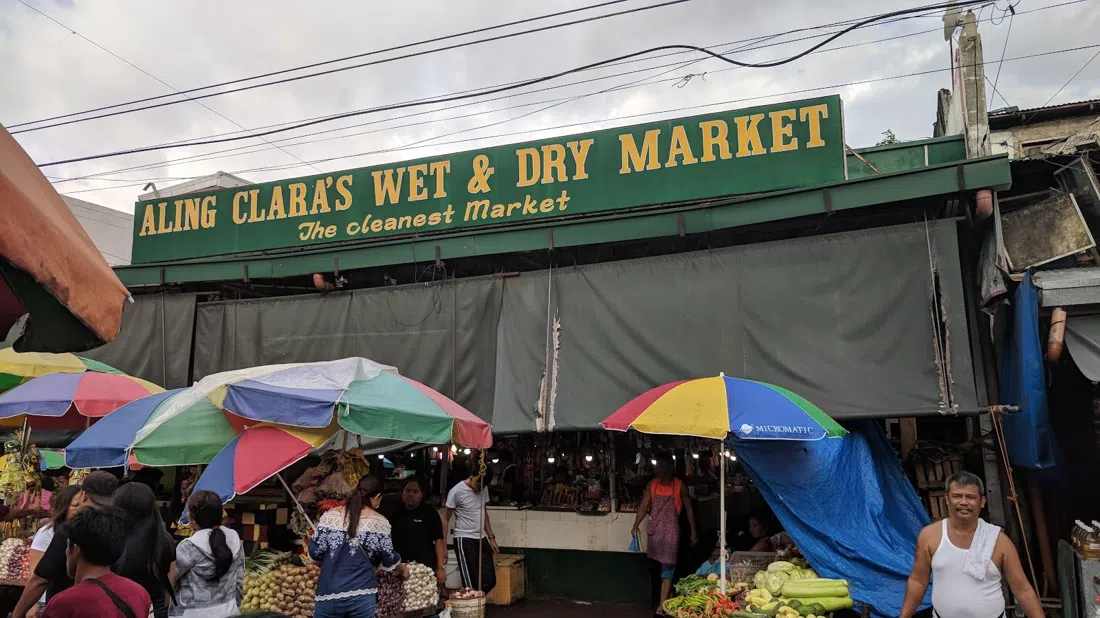
Across town, San Andres Fruit Market, Malate, does the same thing with a single commodity. It's a narrow footpath between stalls, fine for small groups but not built for a crowd, and it runs on the same haggling and running-tab credit that keeps a neighborhood sari-sari counter afloat — regulars get quoted differently than strangers, and everyone knows it. Fruit here runs ₱50 to ₱150 a kilo depending on season and what's just come in from the provinces.
Old Manila's Commercial Memory
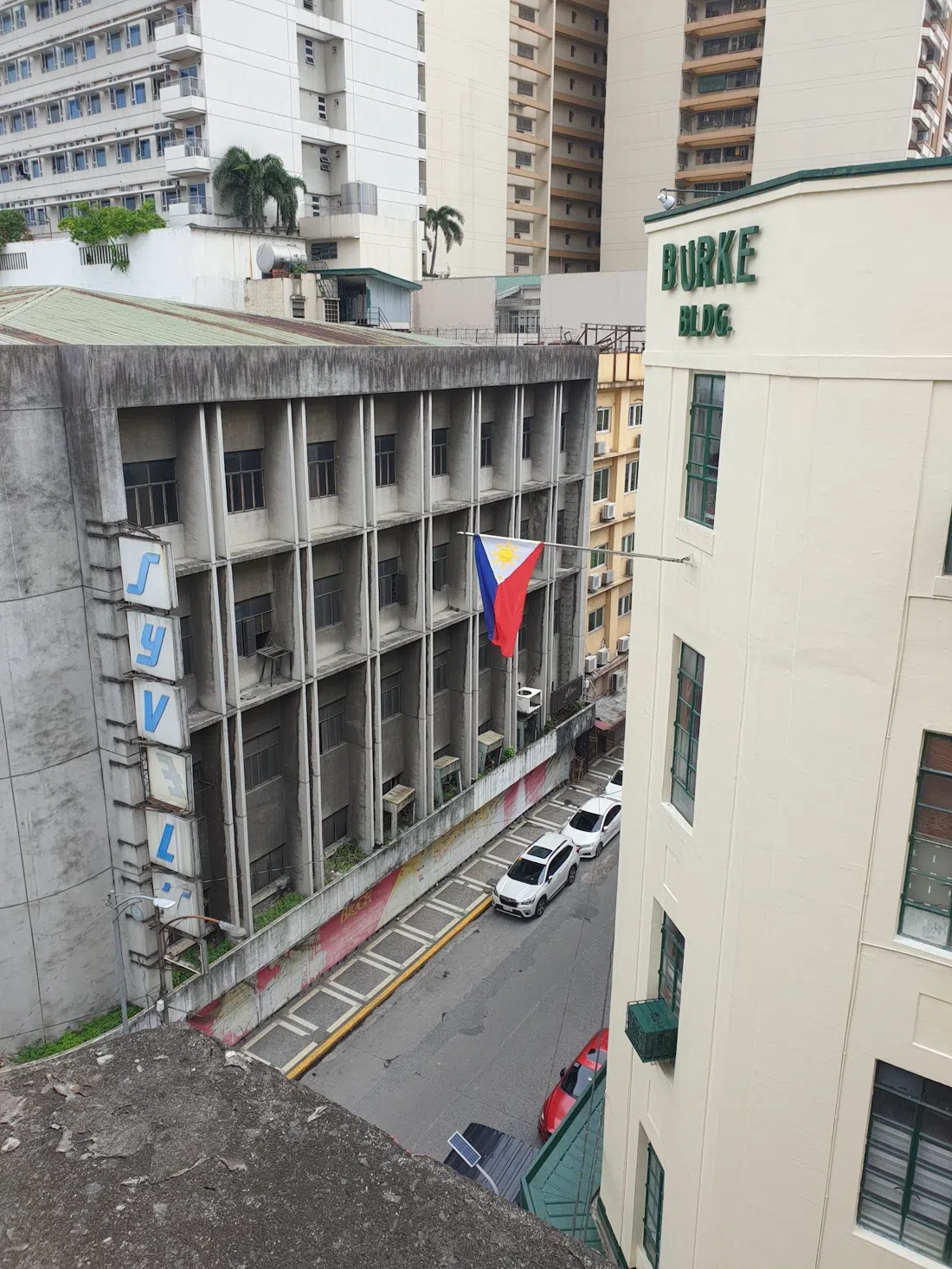
To understand why this system looks the way it does, it helps to walk where Manila's commerce actually started. Escolta Street & First United Building, Binondo, was the city's original department-store boulevard in the American colonial period, when this was the Wall Street and Fifth Avenue of Manila rolled into one strip. It's quiet most weekdays, but on weekends the ground-floor vendor stalls and small bazaars come back to life, and it's genuinely good for groups then — free to walk, with vendor goods that vary week to week. Treat it as the historical bookend to today's sari-sari corner: the grand version of small commerce, largely emptied out, with the informal version now filling the gaps.
For the deeper context, book The Big Binondo Food Wok, run by Old Manila Walks, a small-group guided walk through Binondo with scheduled departures through late August 2026 and private bookings available for larger parties. Guide Ivan Man Dy has run these for two decades and ties Binondo's historic wholesale grocery trade directly to how neighborhood stores still stock up today — it's the single best way to understand the mechanics of this piece in three hours rather than three markets. Expect roughly ₱1,800–2,200 per person, food included, and book ahead; departures fill.
After Dark: Bigger Cousins of the Corner Store
Divisoria has a nighttime twin. Tutuban Night Market, staged inside the old Tutuban railway terminal, runs the same bargain logic after dark — crowded, but with a wide central concourse that keeps groups from scattering. Browsing is free and street food runs ₱20 to ₱100, which is close to sari-sari pricing itself.
Across the river in the Fort, Mercato Centrale, BGC, is the aspirational next stage of the same economy. It runs weekend evenings, 4pm to 11pm, with standing and communal tables that make it genuinely good for groups. Food runs ₱100 to ₱350 per stall, and several current stallholders started out running sari-sari stores or karinderyas (small home-cook eateries) before graduating to a stall here — the visible proof that this ecosystem has an upward path built into it.
The Curated Weekend Mirror
Makati offers a cleaner, commercial version of the same maker-to-buyer instinct. Legazpi Sunday Market, Makati, runs Sundays 7am to 2pm with plenty of seating and a laid-back pace that suits groups without reservations — it's the organic, small-producer cousin of the sari-sari model, direct from maker to buyer with no middleman in between. Entry is free and snacks run ₱50 to ₱200.
Salcedo Community Market, Makati, is the better-known sibling, busy from 8am on Saturdays with communal seating that makes it easily Manila's most group-friendly weekend market. Food runs ₱80 to ₱300 per stall. Think of Salcedo as the curated, commercial mirror to raw sari-sari street trade — same instinct, considerably higher production values, and a crowd of expats and Makati office workers to match.
Planned Versions of the Same Idea
Tiendesitas, Pasig, is a vendor market compound that is, literally in name, "a collection of little stores" — a planned, cleaned-up version of the informal idea, with spacious walkways that make it the most family- and group-friendly stop on this route. Entry is free, and goods and food vary widely across its stalls.
Dapitan Arcade, Quezon City, applies the same small-stall logic to home goods and crafts rather than groceries, with an easy browsing pace good for groups and crafts from ₱50. It's worth the detour as a contrast beat: the same architecture of commerce, applied to a completely different category of goods.
The Wink: Sari-Sari as Theme
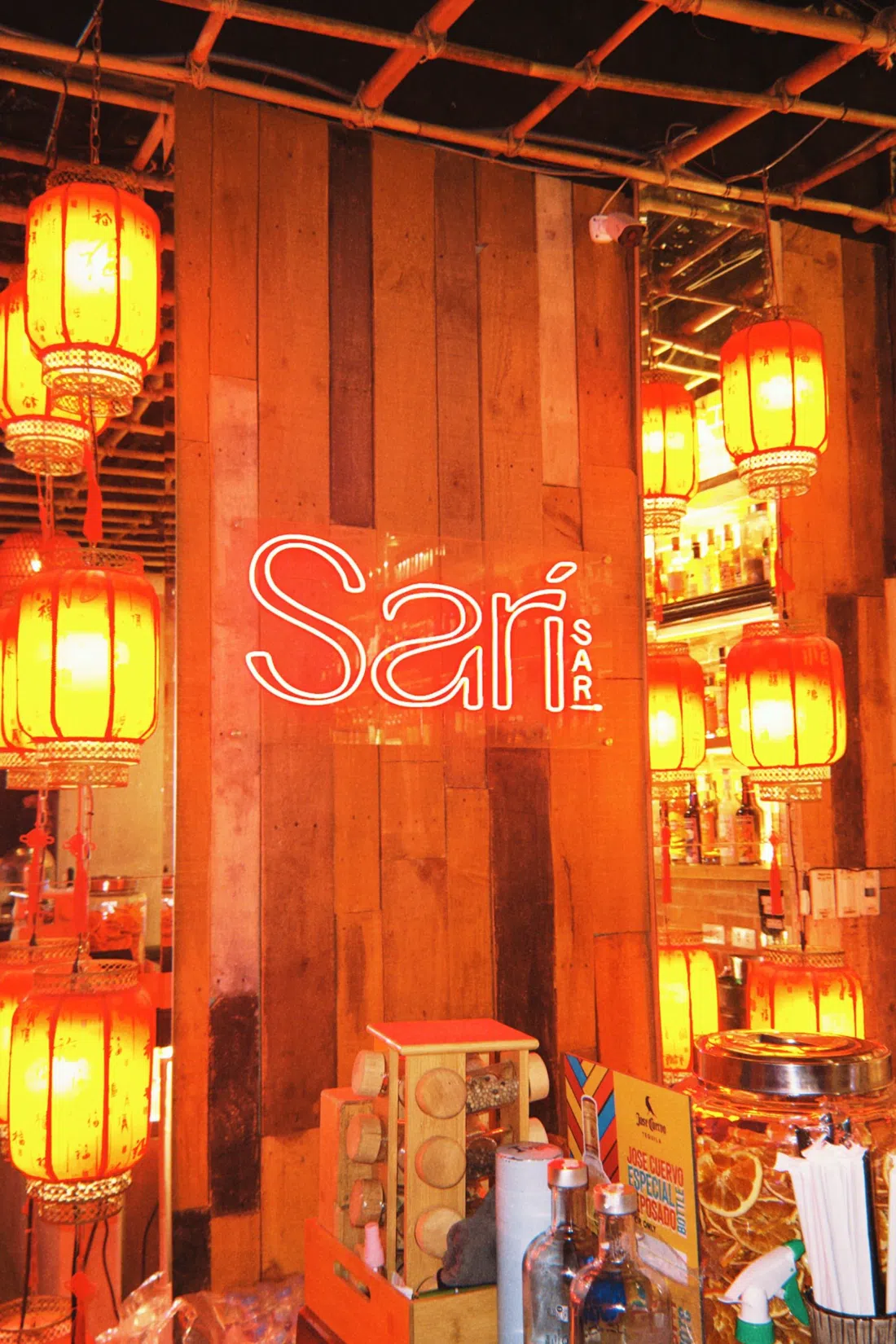
And then there's the format's pop-culture afterlife. Sari Sari (speakeasy bar), Makati, is a knowing, well-executed cocktail bar built around the sari-sari aesthetic — a wink at the format, not a substitute for the real thing. It welcomes small groups Tuesday through Sunday, 6pm to 3am, in an intentionally intimate room; book ahead for parties over six, since the space doesn't stretch. Cocktails run ₱450 to ₱650, which is a useful, slightly funny bookend to a day that started with ₱20 snack packs in Divisoria.
Getting Around, Cash, and Timing
The Divisoria–Quiapo–Binondo cluster is walkable to itself and sits near the LRT-1 Doroteo Jose and LRT-2 Recto stations, which is the cheapest way in and out; expect to walk on uneven pavement and to hold your bag in front of you in the denser stretches. Balintawak Market needs an early taxi or Grab booked the night before — public transit won't have you there before the good stock is gone. The Makati markets (Legazpi, Salcedo) and the BGC and Pasig stops are best reached by Grab or the MRT to Ayala, then a short walk or tricycle.
Cash is still the default currency of this entire route — small bills especially, since wholesale and street vendors rarely break a ₱1,000 note and some don't take cards at all. Budget a full day for the Divisoria–Quiapo–Binondo loop, a separate early morning for Balintawak alone, and treat the Makati weekend markets and BGC night market as their own half-days, since they only run on specific days and hours. If you're building an itinerary around this route, the Manila guide has the wider city context, and the Manila hotel search is the place to start if you want to base yourself near Makati for easy access to both the weekend markets and the wholesale run into Tondo and Quiapo.
Come hungry, come with small bills, and come early wherever the market allows it — the sari-sari economy runs on the hours before most tourists are awake, and that's exactly when it's worth seeing.