
Manila's tiangge economy runs on a currency older than any peso note: a straight face, a slow half-turn away from the stall, and the seller's counter-offer catching up before you reach the next vendor. This isn't the hushed, fixed-price transaction of a department store — it's a running conversation that moves stall to stall, mall to open lane, where the first number quoted is a starting position and everyone standing in the aisle knows it. Spend a weekend working the circuit properly, from the wholesale crush of Divisoria to a Sunday bazaar spread across a hospital's front lawn in Quezon City, and it becomes clear these vendor mazes are the city's actual retail engine, not a curiosity sitting beside the malls.
Divisoria and Its Malls: The Wholesale Core
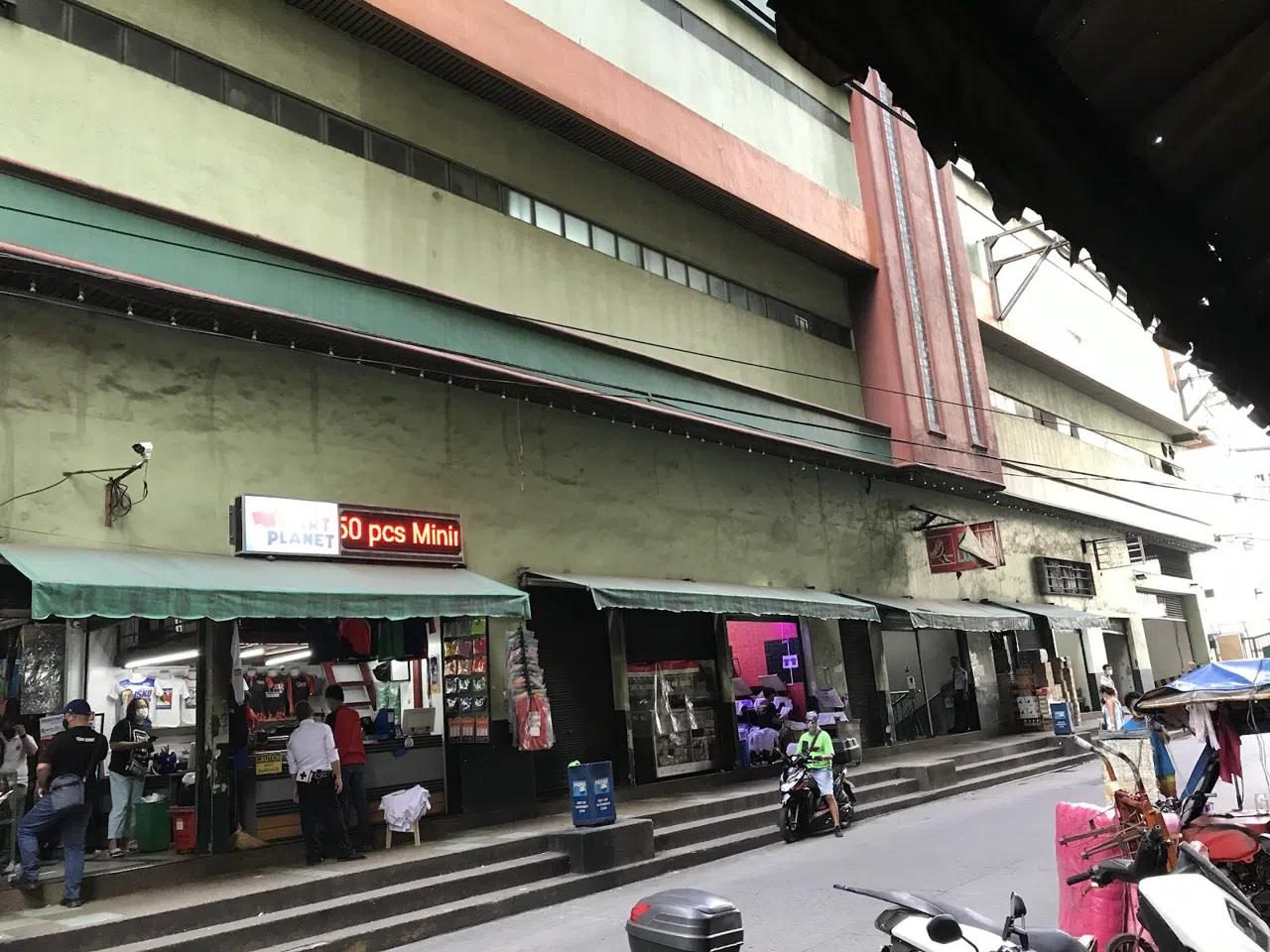
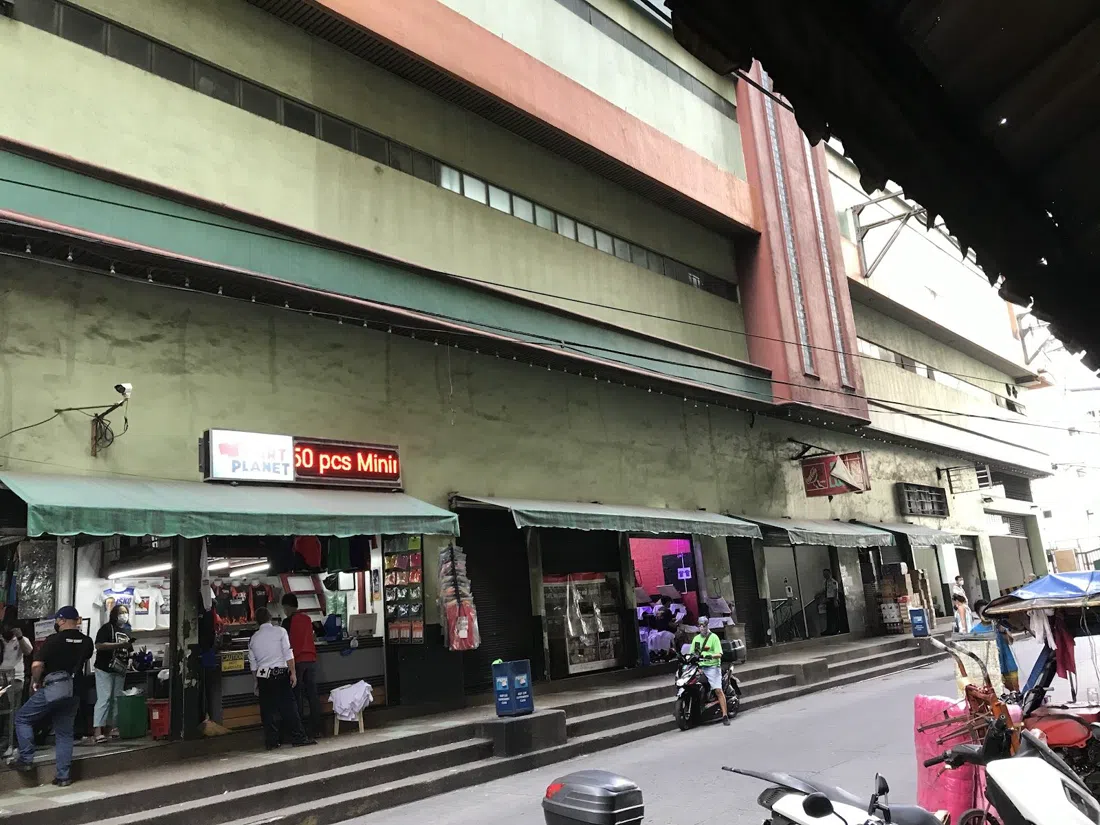
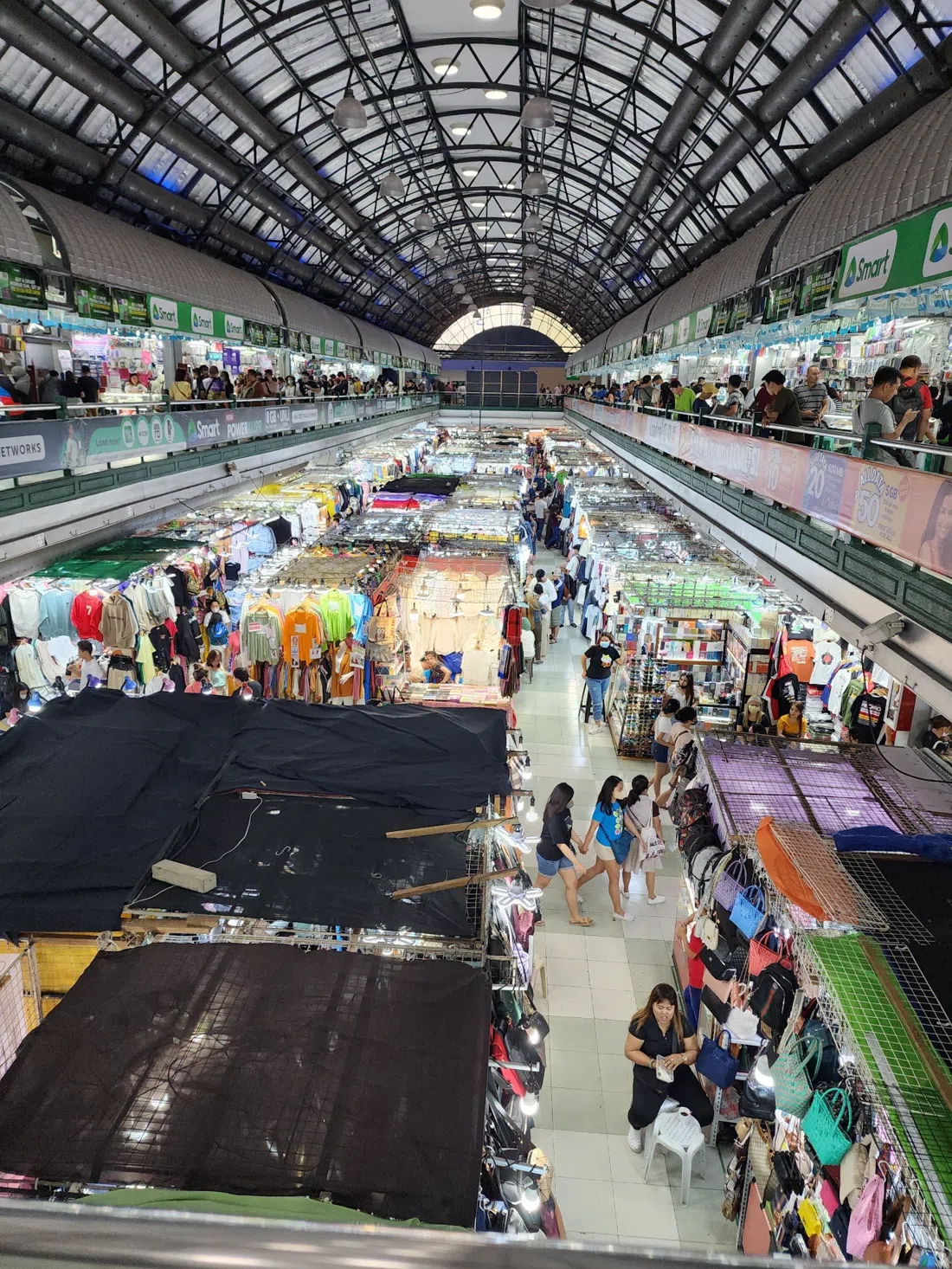
Divisoria (Manila's historic downtown, north of the Pasig) is the district the whole tiangge economy gets named after, and it earns the reputation on sight: open-air lanes stacked floor to awning with everything sold by the dozen, the gross, or the sack. This is bulk-buying pricing, ₱ on the scale that matters here — a bag of hair ties or a carton of phone cases costs a fraction of retail once you're buying in quantities a stall owner actually wants to move. It takes groups fine on foot, but the lanes are narrow and genuinely dense, so split into pairs, agree a fixed meeting point before you go in, and go on a weekday morning — Saturdays turn the main strips into a crowd crush that erases whatever time you saved bargaining. Guard your bag properly; this is not the place for a phone in a back pocket.
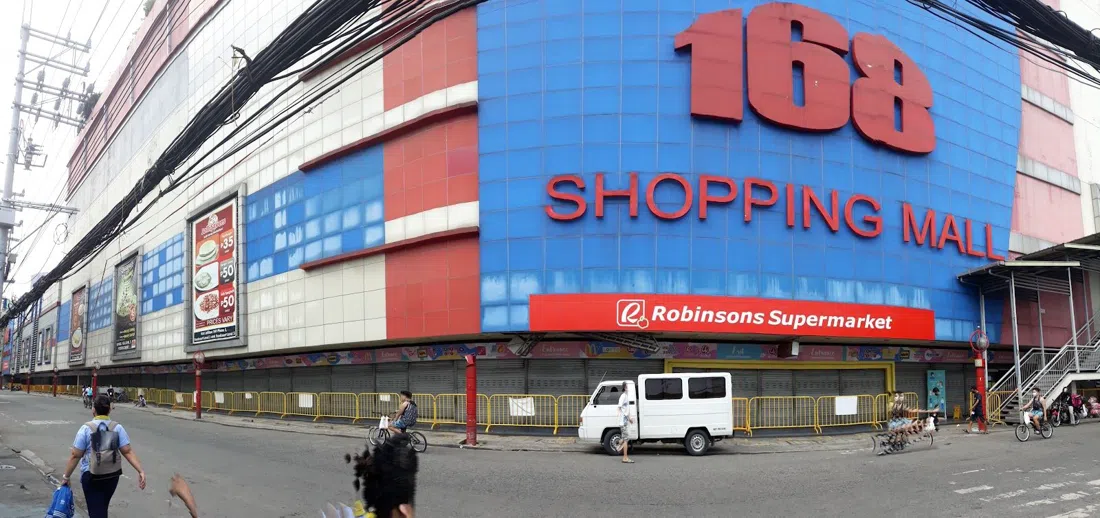
For a calmer entry into the same wholesale culture, 168 Shopping Mall (Divisoria) has been the anchor since 2004 — over 1,500 stalls under one air-conditioned roof, escalators instead of foot traffic jams, and clear floor-by-floor meeting spots that make it the easiest of the Divisoria malls to regroup a party in. Pricing sits at the same ₱ bulk level as the open street, and haggling is still expected even with printed tags on the goods. Right next door, Mall 999 (Divisoria) runs an almost identical layout and near-identical stock, which makes it simple to combine both in one visit — cross the street, compare a price, walk back. The crowd here skews more local than tourist, and a polite haggle reliably knocks 30 to 50 percent off whatever's first quoted, even on items that look fixed.
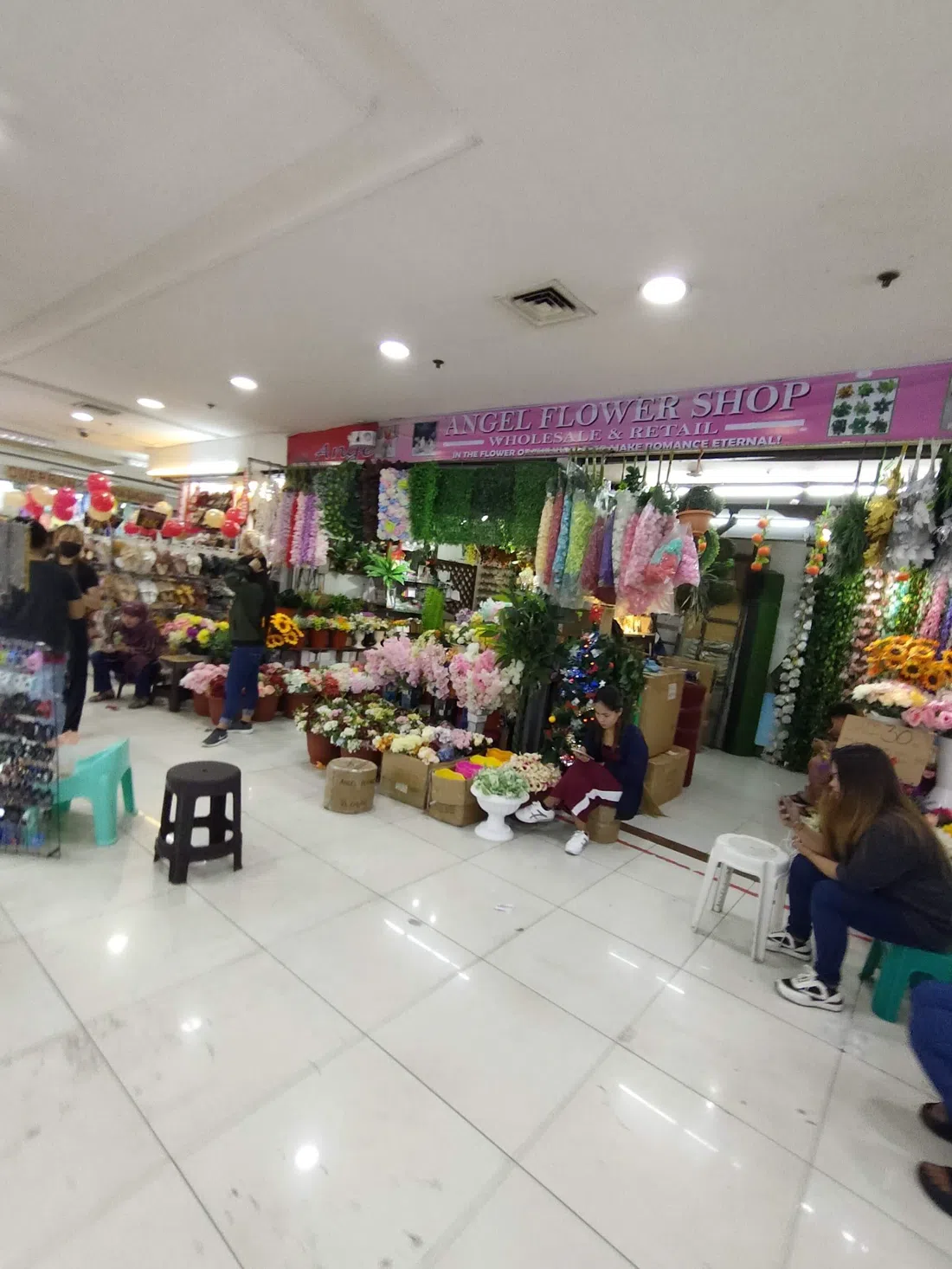
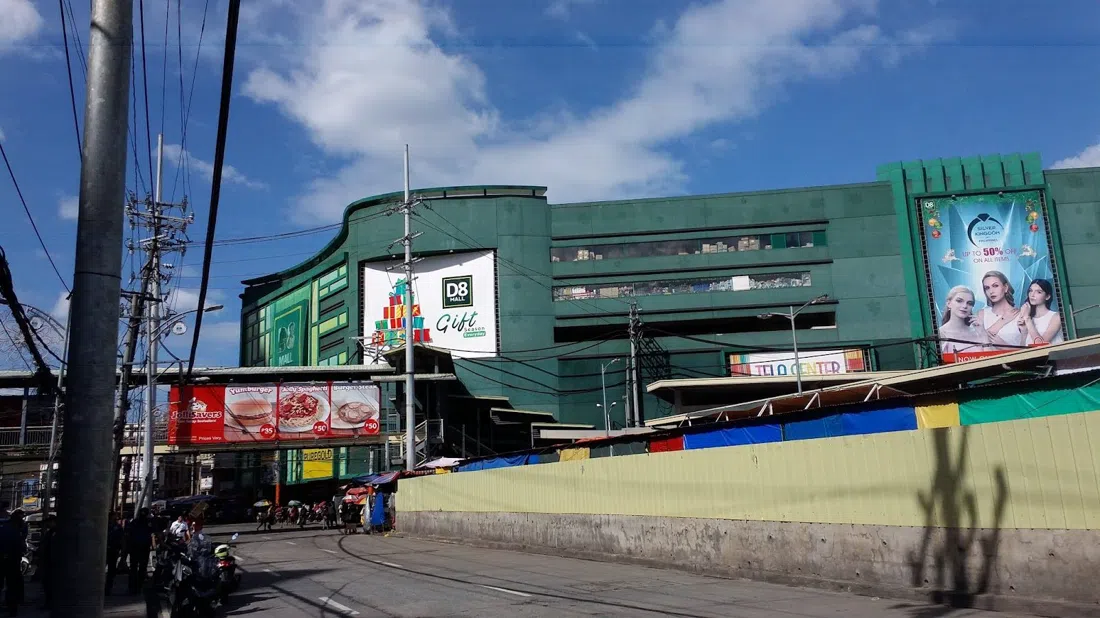
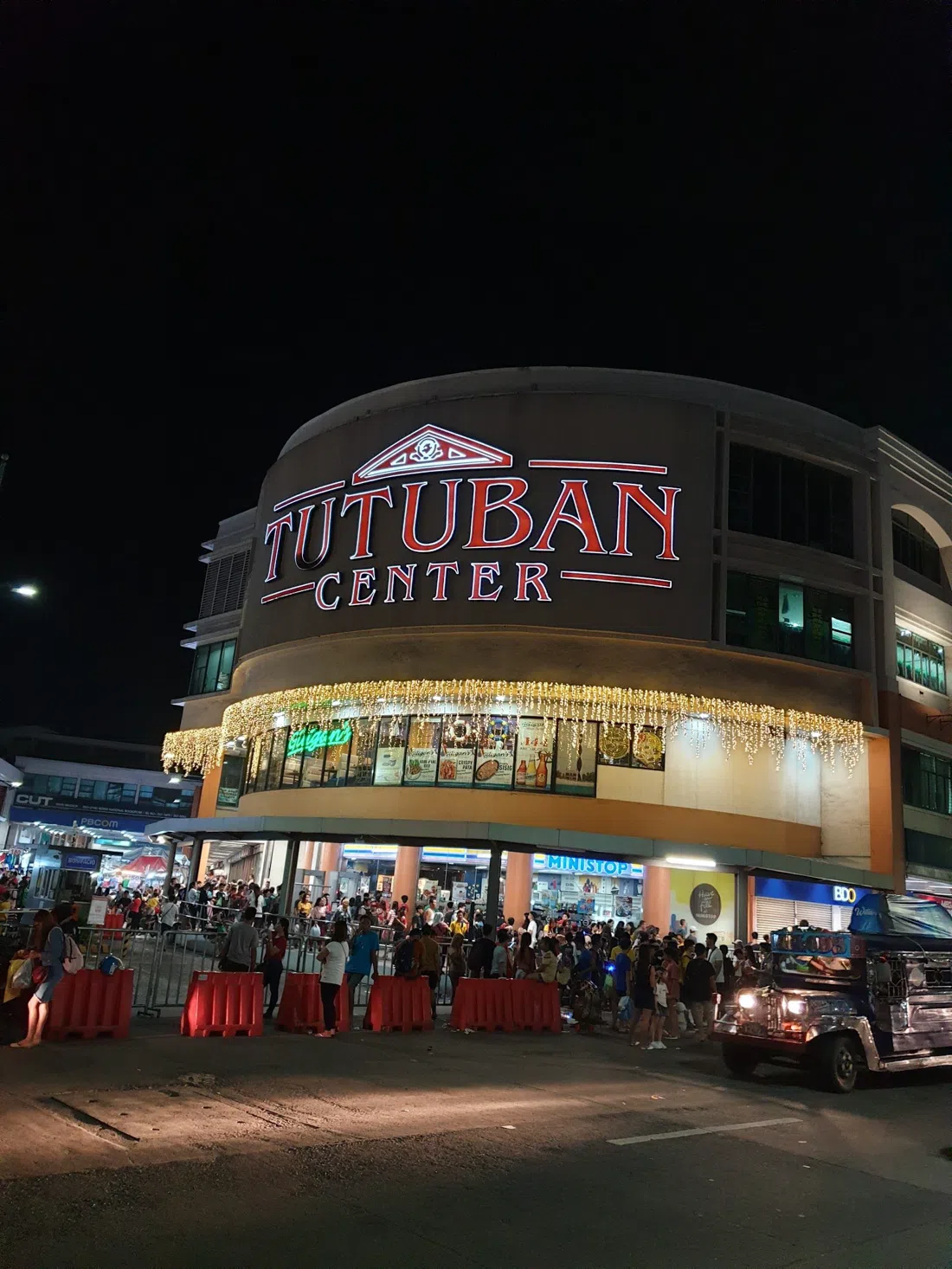
Tutuban Center Mall (Divisoria, on the former Manila-Dagupan rail depot) is worth the extra few minutes' walk for two reasons: a wider lobby than its neighbours, which matters when your group needs to regroup without blocking a walkway, and more restaurant seating for an actual sit-down break — rare currency in this district. Stock runs the same bulk-and-retail mix, haggling standard, and once the day stalls shutter a night-market layer opens up outside, worth staying for if your legs still work. For something with less elbow-to-elbow friction, Dragon8 Shopping Center (Divisoria) is the polished counterpoint — built in 2015, 500-plus vendors, fully air-conditioned, specialising in fashion and formalwear with fixed price tags on much of the stock. It runs ₱₱, a notch above street-stall level, but that fixed pricing means less individual haggling pressure, which makes it the one Divisoria-area stop that suits a couple wanting to browse without negotiating every item.
Quiapo and Quinta: Shopping Through Street History
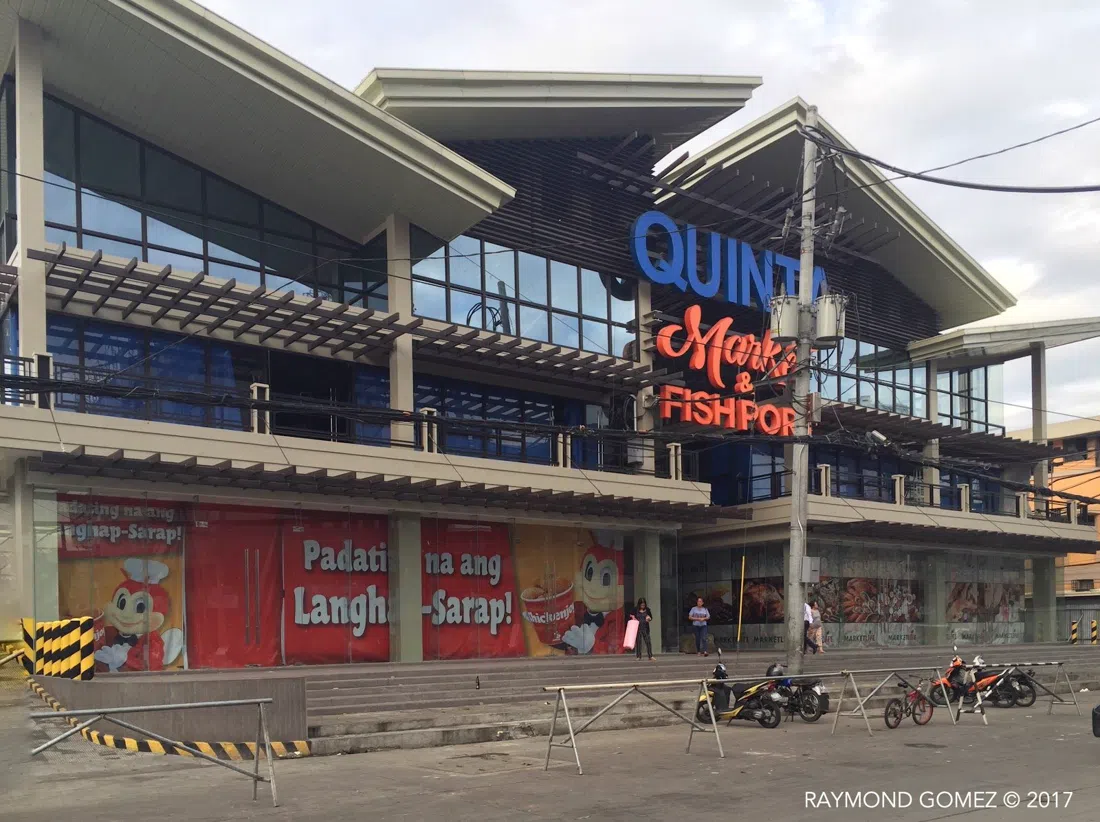
Quiapo Market (including Quinta Market, Quiapo district) folds bargain shopping into more than 170 years of Manila street-market history, and it shows in the density — narrow aisles, heavy foot traffic, vendors calling prices over each other near the church. It's manageable in a small group with someone who already knows the layout, but it's genuinely better done as a walking-tour add-on than solo browsing if this is your first pass through the district. Pricing is street-level ₱, haggling is normal and expected rather than a negotiating trick. The Quinta Market side, sitting slightly apart from the main Quiapo crush, is the calmer entry point — worth starting there before working into the busier lanes, especially with a group that needs an easier warm-up.
Greenhills and Baclaran: Manila's Classic Bargain Runs
Greenhills Shopping Center (San Juan), specifically its Tiangge and Shoppesville stall complexes, is the tiangge every Manila local sends a first-time bargain shopper to, and for good reason — the San Juan location is safer and considerably more tourist-used than Divisoria, with food stalls close enough for a group to take a real break mid-shop. It's famous specifically for cultured pearls at a fraction of jewellery-store pricing; expect ₱-₱₱ overall, with the pearls running higher than the general stall average, and everything else genuinely haggle-able. This is the tiangge stop that suits almost any group size or pace, couples included.
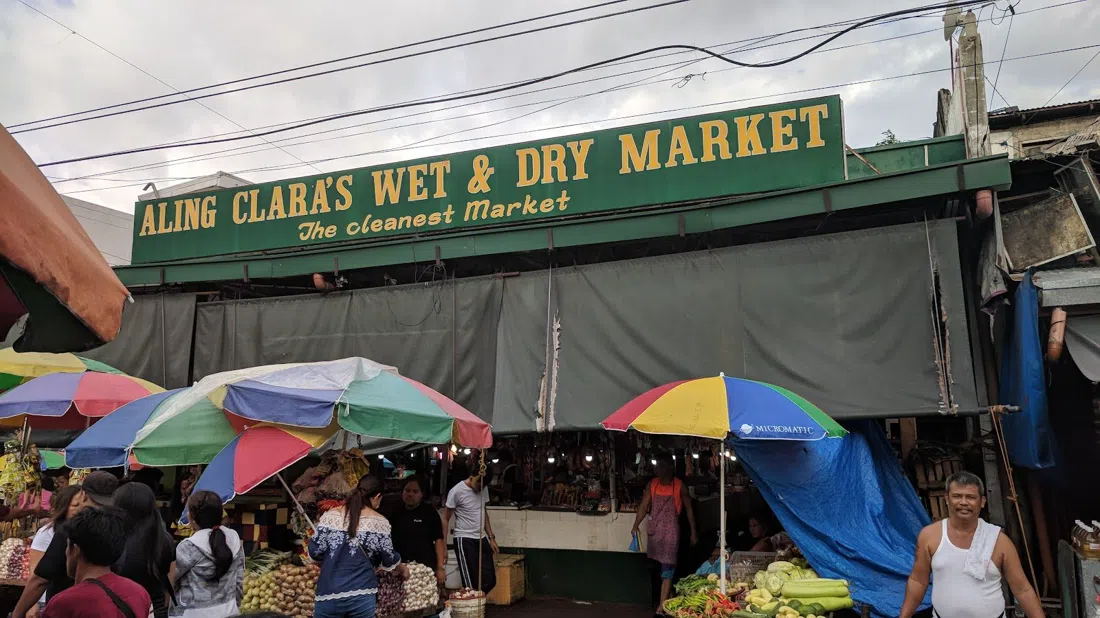
Baclaran Market (Baclaran, near the church) is the original ukay-ukay bargain-hunting ground and still the rock-bottom end of the pricing scale — ₱ street pricing where haggling isn't optional, it's how the market functions. It's workable in a group, but go compact rather than sprawling; pickpocket risk in the crush is real, particularly on Wednesdays when novena crowds from the church pour into the market and turn the aisles into a genuine spectacle. Weekday mornings are calmer and the better call unless you specifically want the full Wednesday crush for the experience of it.
Quezon City's Weekend Bazaars
The Quezon City circuit runs on a different rhythm — weekend and mall-floor bazaars rather than daily wholesale lanes — and it's the easiest set of stops for anyone travelling with a group that doesn't want Divisoria's intensity every day.
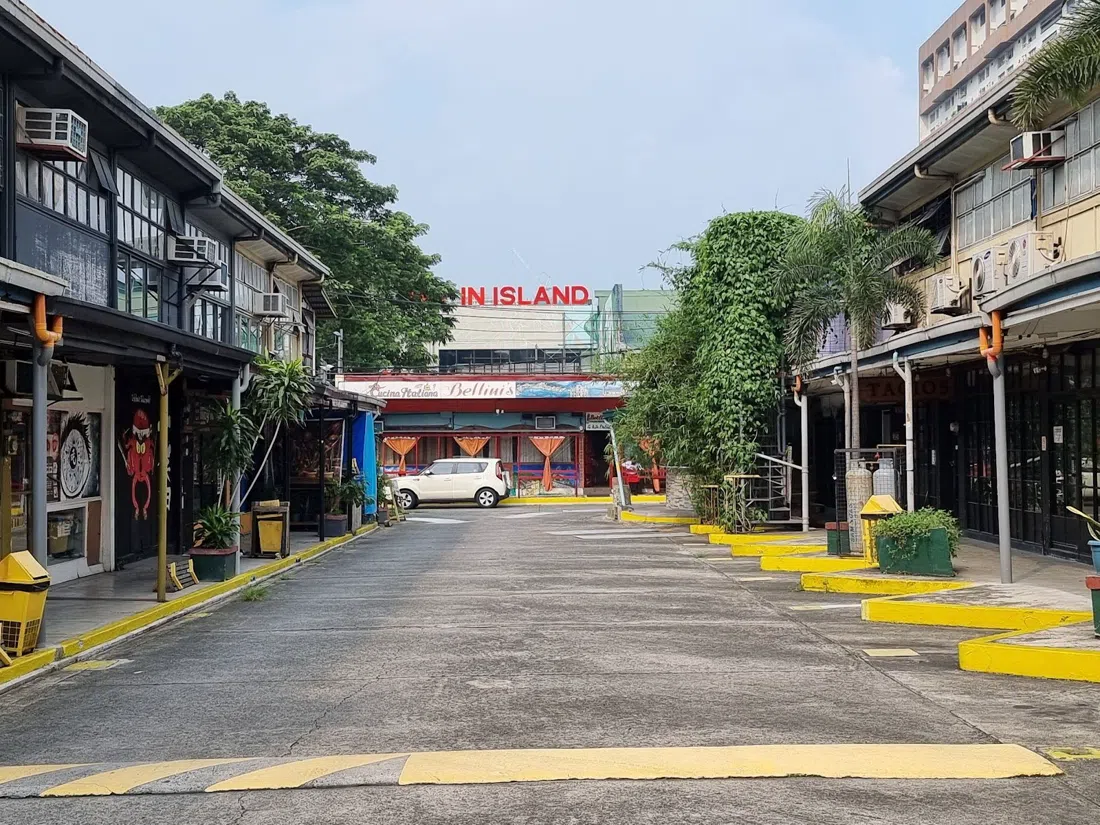
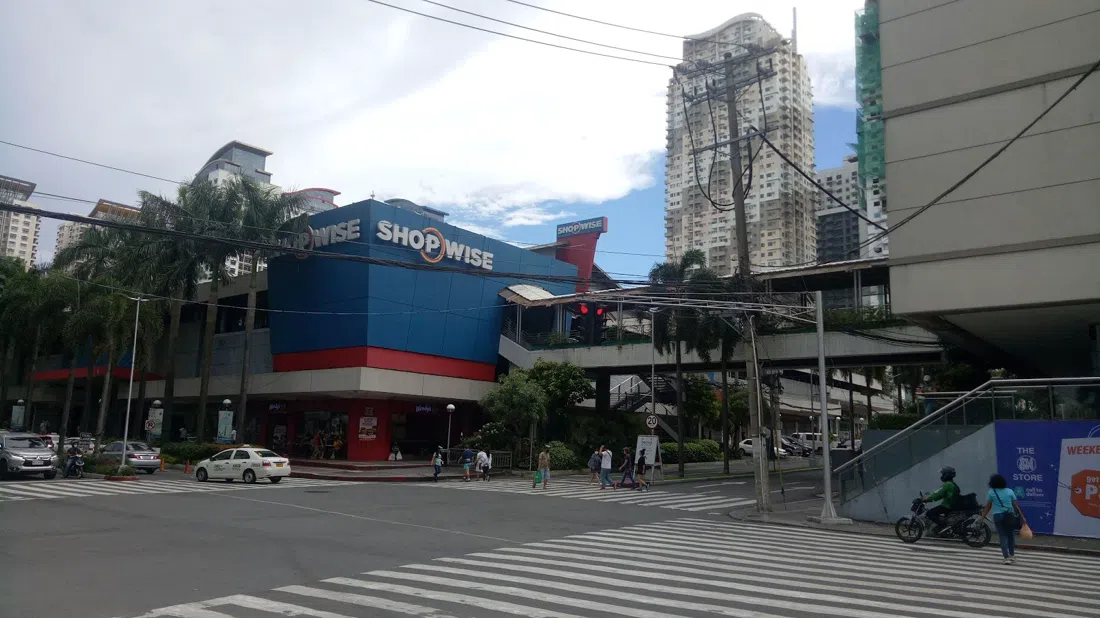
Farmers Plaza Bazaar (Araneta City, Cubao) sits inside Manila's oldest air-conditioned mall, recently renovated and reopened, and it's about as mainstream and transit-linked as tiangge shopping gets — easy MRT access, a food court on site for a regroup, mixed fixed and negotiable pricing at ₱-₱₱. It's the stop to pick if a group member is nervous about haggling culture generally; the mall setting takes the edge off. A short ride away, Cubao Expo (also known as Cubao X, Cubao) is the bohemian cousin of the circuit — an open-air arcade of vintage and indie stalls where bars and cafés double as natural regroup points. It's less about bulk bargains and more about one-off vintage finds, priced ₱-₱₱ with some stalls fixed and others open to a offer. Parking is scarce, so arrive by ride-share or MRT rather than driving; it's a good change of pace after Divisoria's chaos, and genuinely great for groups given the open layout.
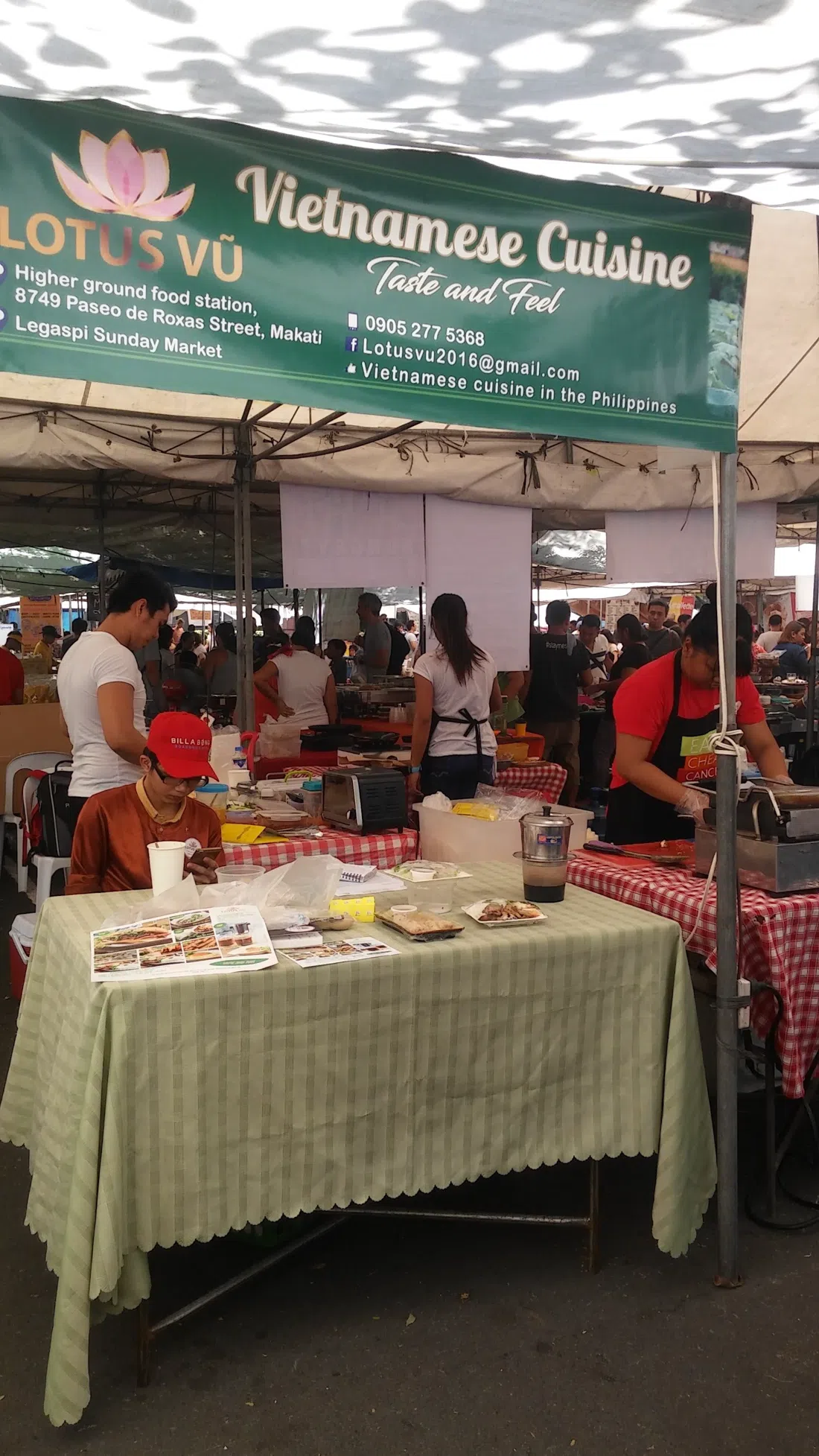
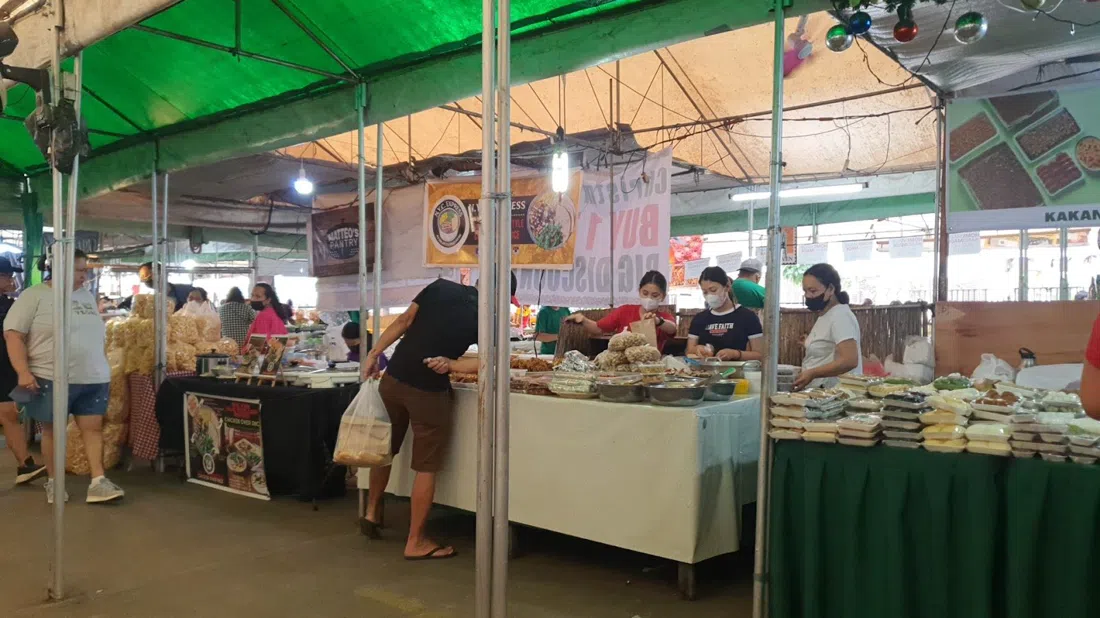
SIDCOR Sunday Market (Eton Centris, Quezon City) runs to the flat-open-lot logic of a proper Sunday bazaar — half farmers' market, half tiangge, with fresh goods and bargain apparel at ₱ pricing and some haggling worthwhile on the non-food stalls. It handles groups easily since the lot is genuinely spread out, but arrive by 7am; the crowd peaks fast and the best produce goes early. Across town, Lung Center Sunday Market (Quezon City) is one of the more only-in-Manila juxtapositions on this list — a 200-plus-vendor Sunday bazaar filling the grounds of a functioning hospital, selling bargain-priced plants, produce, and dry goods at ₱. It's one of Quezon City's most-loved weekend rituals and handles large groups with ease thanks to the open compound; enter via the Quezon Avenue gates rather than the Circle-facing entrance, since parking is meaningfully easier from that side.
The Practicalities: Transport, Cash, Timing, Budget
Carry cash — small bills specifically. Almost nothing in this circuit runs card payments, and a stall owner asked to break a ₱1,000 note for a ₱150 item will visibly lose patience with you mid-haggle. Divisoria, Quiapo, and Baclaran are cash-only in practice even where a sign suggests otherwise.
Timing matters more than most first-time visitors expect. Divisoria and Quiapo are genuinely different places on a weekday morning versus a Saturday afternoon — the former is workable browsing, the latter is a body-to-body crush that slows every transaction. The Quezon City Sunday bazaars (SIDCOR, Lung Center) only exist on Sundays, and both reward a 7am arrival before the heat and the crowd both peak. Baclaran specifically should be avoided on Wednesdays unless the novena crowd is part of what you're after.
Getting between stops: Divisoria and Quiapo sit close enough to walk between if the heat allows it; everything else on this list is a Grab ride or MRT/LRT connection apart, and ride-share is the more reliable choice for groups carrying bags of purchases back to base. If you're building a base for a multi-day run at this circuit, a Manila hotel search turns up options near both the Divisoria cluster and the Quezon City bazaars, which saves real time over a single hotel far from either.
On budget: treat any first price as an opening bid, not a number. A 20-30% reduction is a normal, unremarkable haggle almost anywhere on this list; 30-50% is achievable at the wholesale malls (168, Mall 999) if you're buying more than one of something. Dragon8's fixed tags are the exception — treat those as closer to final. And don't over-plan the day: pick one wholesale stop (Divisoria or its malls), one street market (Quiapo or Baclaran), and one Quezon City bazaar if your trip allows a Sunday, rather than trying to cover all twelve in 48 hours. For the wider context on where this circuit sits inside a Manila trip, the full Manila guide covers the rest of the city around it.