
Manila sings before it speaks. Walk any side street after dark and the city announces itself in decibels — a tricycle driver working through a ballad on a battered amp, a family belting out a chorus through an open garage door, the tinny triumphant chime of a scoring machine grading a stranger 87 for a note they didn't quite hit. Karaoke here isn't a novelty bolted onto a bar for tourists; it is closer to civic infrastructure, sung nightly from the fluorescent street corners of Malate to the glass towers of Makati, and in 2026 it shows no sign of losing its grip on the city.
A Machine Built for This
The habit has deep roots. The sing-along system — widely credited as a forerunner of the modern karaoke machine, complete with a microphone mixer, volume control, and tape deck built into one unit — was patented in the Philippines in the 1970s, decades before "videoke" became shorthand for the scoring-and-video-screen machines that now sit in nearly every neighbourhood eatery. What that history left behind is a culture where singing in public carries none of the self-consciousness it does elsewhere: everyone here has, at some point, been handed a microphone at a family gathering and expected to perform. The result is a nightlife scene built almost entirely around private rooms and open floors where nobody is judging your pitch, only your song choice.
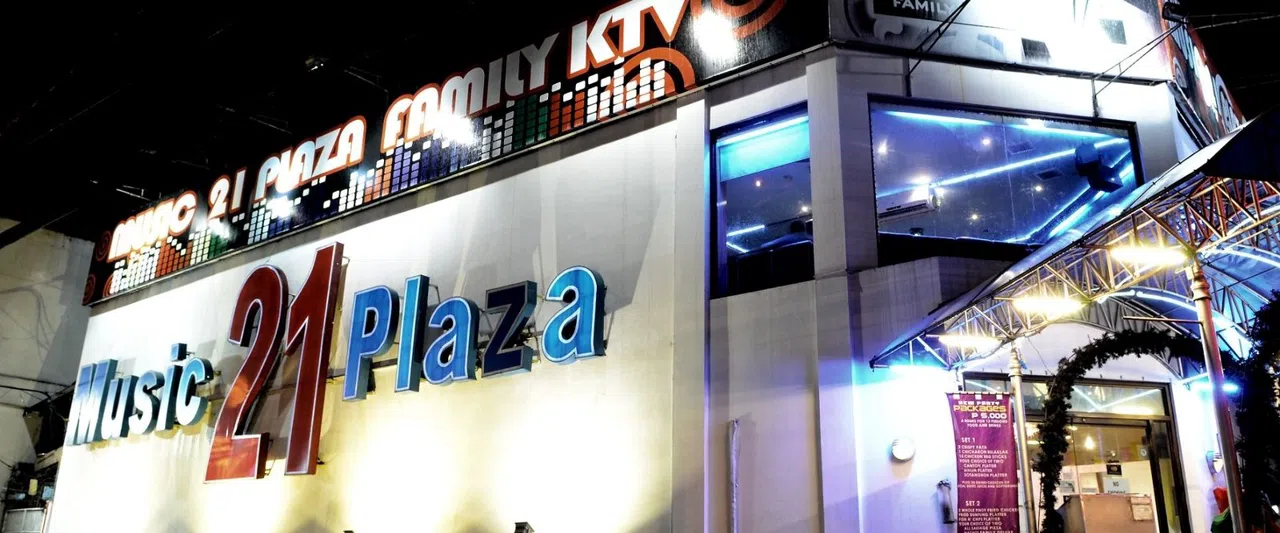
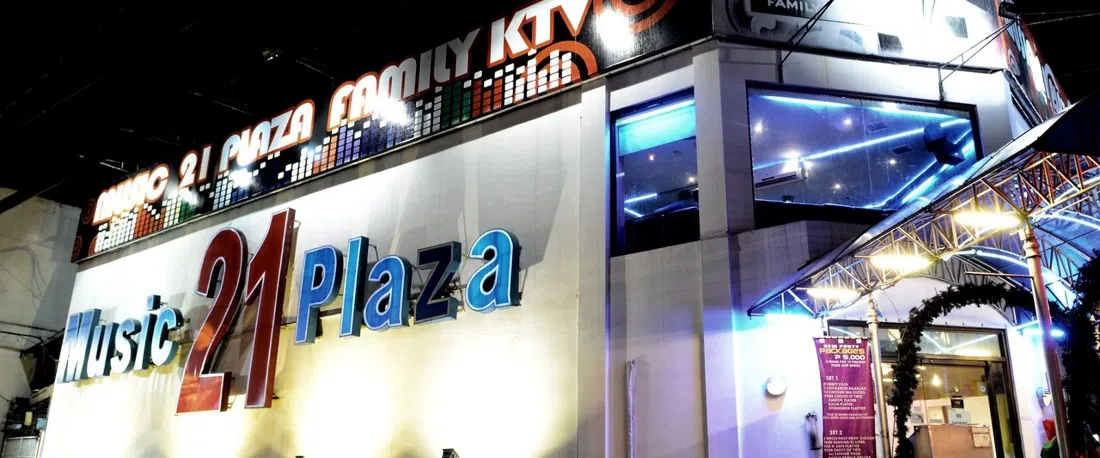
That culture reaches its most polished form at Music 21 Plaza (Jupiter St., Makati), Manila's most iconic videoke institution. Running since 1995, it has outlasted karaoke fads by simply doing the fundamentals well: a 30,000-plus-track library spanning OPM, English pop, K-pop, and J-pop, and rooms that scale from a table for two up to a hall for forty. It's the default booking for barkada (friend-group) reunions and office Christmas parties, and its branches across the city mean it's rarely more than a short cab ride away. Rooms run roughly ₱300–600 an hour before food, which keeps a big group's per-head cost modest even on a weeknight.
Malate and Ermita: Where the Ritual Started on the Street
Before the mall chains, there was the street-level videoke bar, and Malate still does it best. FAB (Mabini St., Malate) is the closest thing on this list to the corner-videoke spirit the whole culture grew out of: no cover charge, a drinks-and-tip economy, and a staff that switches fluidly into English the moment a visitor walks in off the street. It's unpolished by design — plastic chairs, a machine that's seen decades of use — and that's exactly its appeal for anyone who wants an unfiltered night rather than a curated one.
A few doors down the same strip, Chelu Bar (Orosa St., Malate) offers a warmer, more deliberate welcome. One of Manila's longest-running gay bars, recently renovated and now running karaoke alongside stand-up sets, it charges a low ₱350 cover that typically includes free drinks — a fair trade for an evening in one of the city's most consistently LGBTQ+-friendly rooms. It suits groups and solo travellers equally well; nobody here is going to leave you standing at the bar without a song list in hand.
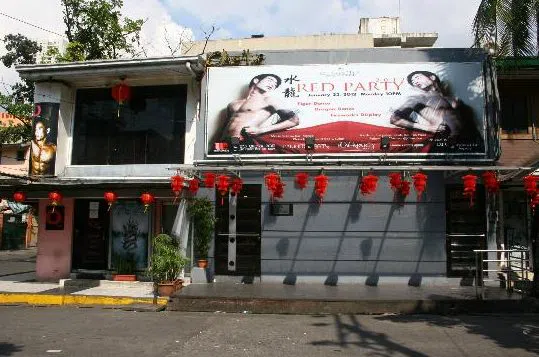
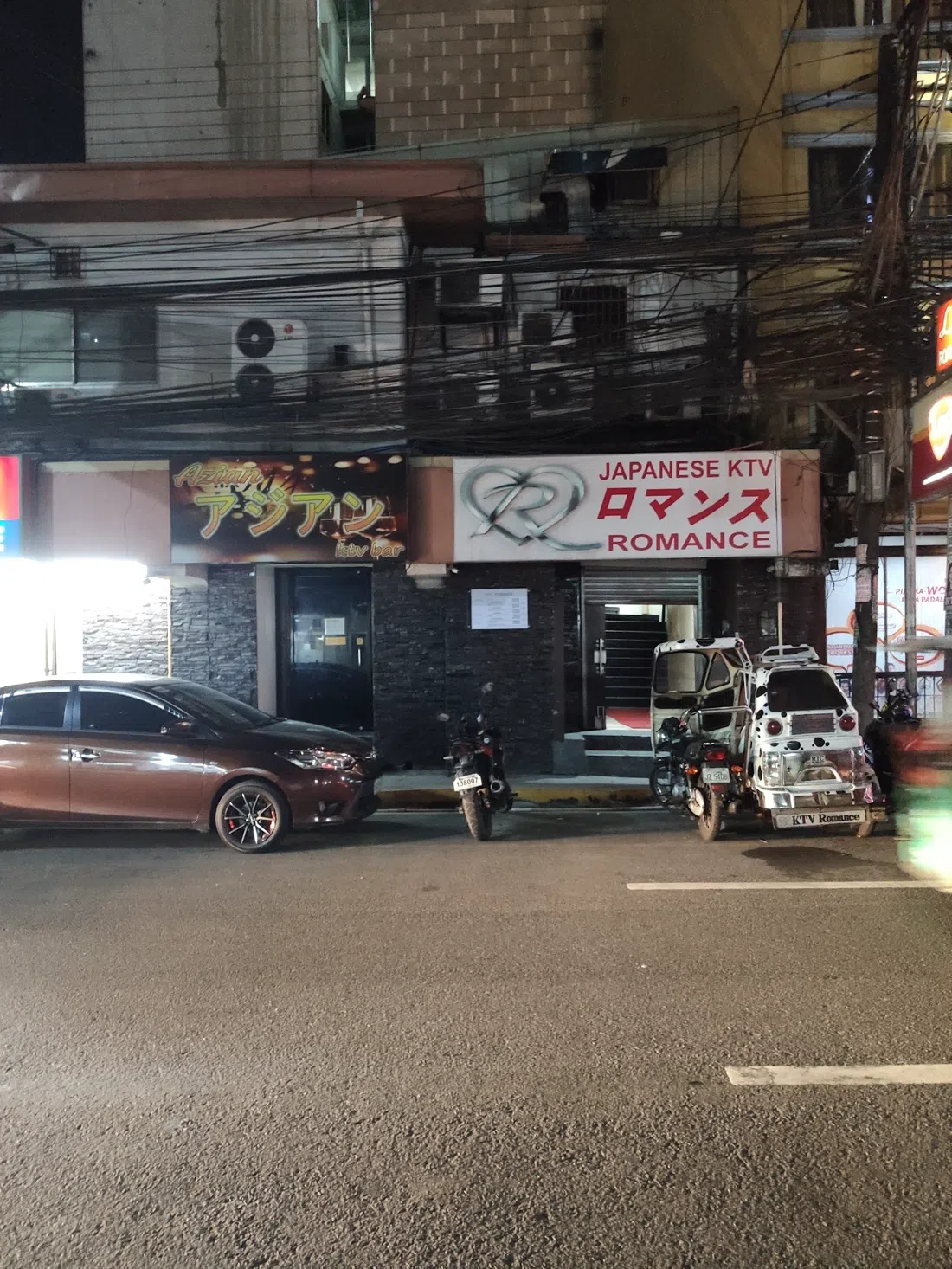
For something quieter, Romance KTV Bar (Mabini St., Ermita) trades the street energy of Malate for private rooms better suited to couples or small groups of friends who'd rather not sing in front of strangers. It's budget-to-mid in price, runs regular happy-hour drink specials, and — the one caveat worth noting — larger parties should book ahead rather than walk in, since the room count is smaller than the mall-anchored competition.
Makati's Big Rooms: Malls, Buffets, and Party Packages
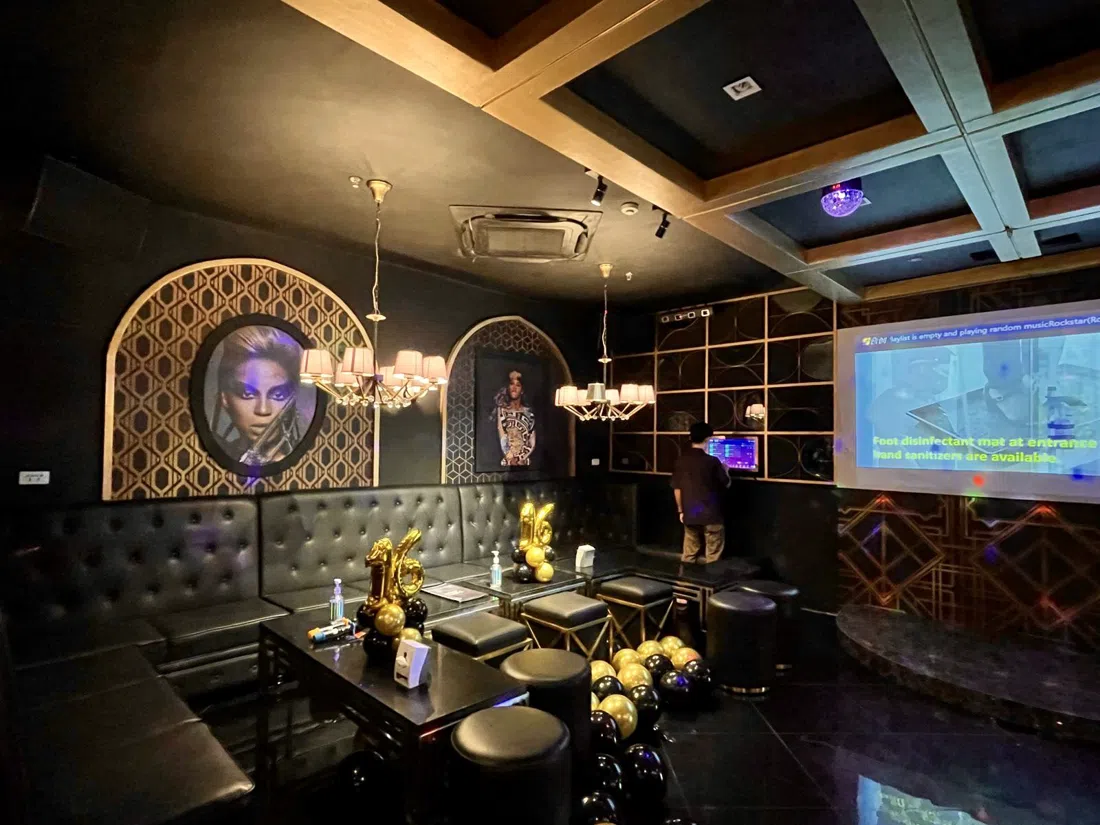
Makati's karaoke scene is built for scale and air conditioning. Rockstar KTV (Glorietta, Makati) is explicit about this: parties from four up to a hundred guests, with party packages and buffet options designed for corporate nights out as much as birthday blowouts. It sits at the mid-to-upscale end of the spectrum, and rates are quoted on request rather than posted, so groups should call ahead to lock in a package before a weekend date fills up.
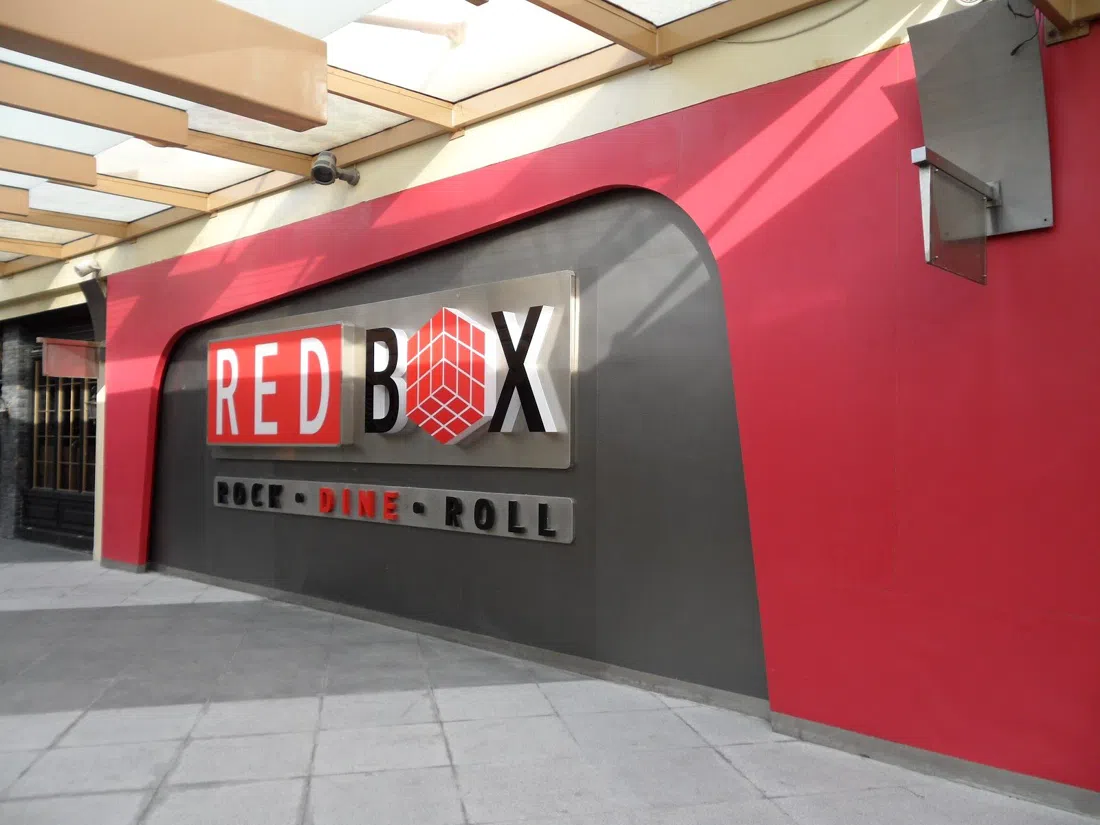
Red Box Karaoke (Greenbelt 3, Makati) is the reliable, long-running Ayala-mall answer for anyone who wants karaoke without leaving the shopping strip. Its function rooms and buffet promos are aimed squarely at office parties and larger groups, and the mid-range pricing with lunch and buffet deals makes it an easy, low-friction pick for visitors who'd rather not navigate a jeepney to reach the night's venue.
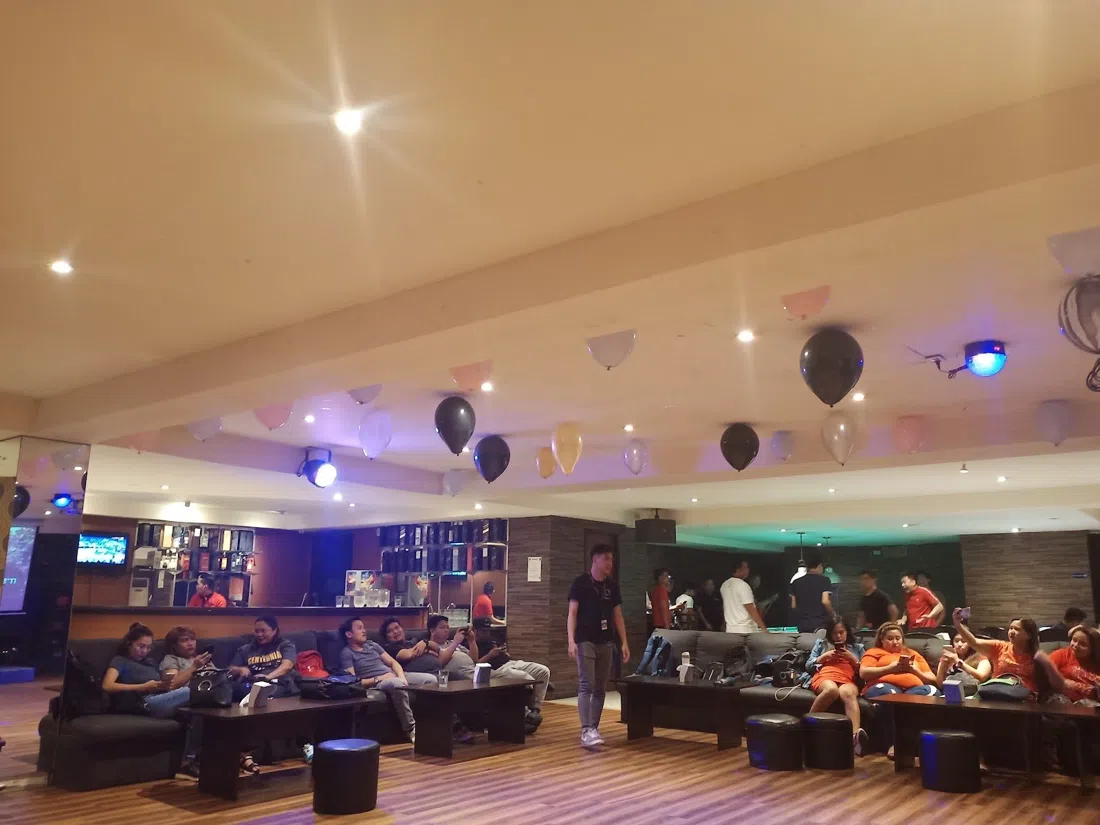
For a smaller, more neighbourhood-feeling room in the same district, Centerstage Family KTV and Restobar (Jupiter Place, Makati) runs Standard Rooms that seat up to six, with rooms priced from ₱300 an hour and a recurring "Sing All You Want" promo around ₱249 a head. Its rotating theme nights — Boys Night Out, Ladies Night, Barkada Nights — mean it's worth checking the schedule before booking, since the promo pricing shifts by night of the week. With branches also in Quezon City and Pasay, it's the budget-friendly workhorse of this list.
Poblacion After Dark: The Private-Room Crawl
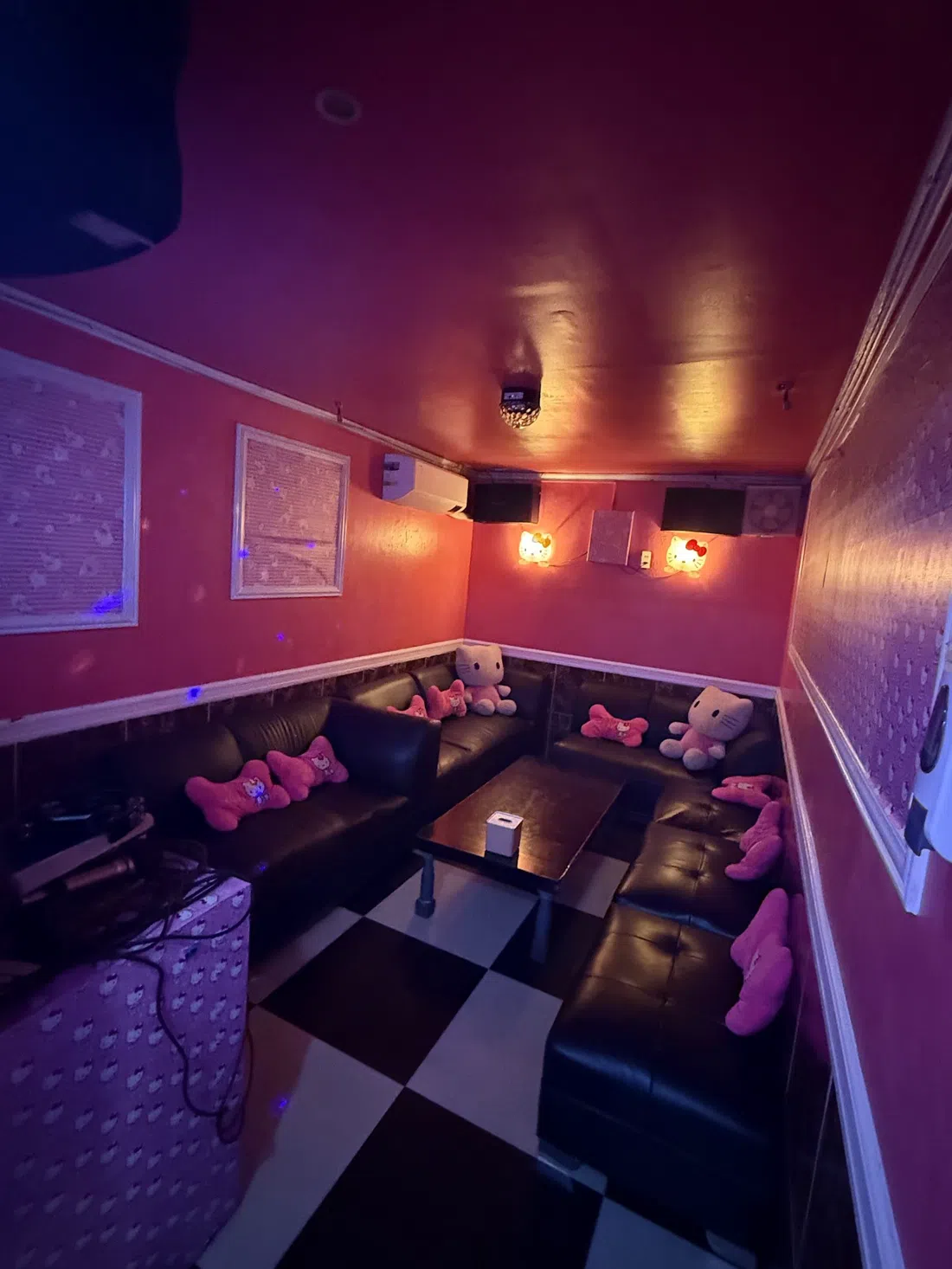
Poblacion's late-night strip runs on a different rhythm — bar-hop first, sing later — and Uncle J Family KTV (Poblacion, Makati) is built for exactly that pattern. Its VIP rooms hold up to fifteen people and come with food-credit packages bundled into the roughly ₱4,000 room rate, which makes the per-head cost reasonable once a group splits it. The kitsch themed rooms and rooftop skyline views give it a genuine claim as a photo-worthy stop mid-crawl, but the room count is limited on weekend nights, so groups arriving after midnight without a reservation should expect a wait, or a walk to the next option on the strip.
Quezon City's Timog Strip: Karaoke Meets the Bar Crawl
Timog Avenue in Quezon City runs its own all-night circuit, and it leans unpretentious. Music Bank (Timog Ave., Quezon City) keeps rooms reservation-friendly, air-conditioned, and open a genuinely unusual 3pm to 5am daily — a schedule that makes it as viable for an early-evening booking as a 3am singalong. It charges corkage for outside food and drink, which groups bringing their own beer and pulutan (bar snacks) will want to budget for, and at roughly ₱90 a head per hour it's one of the most affordable rooms in the city.
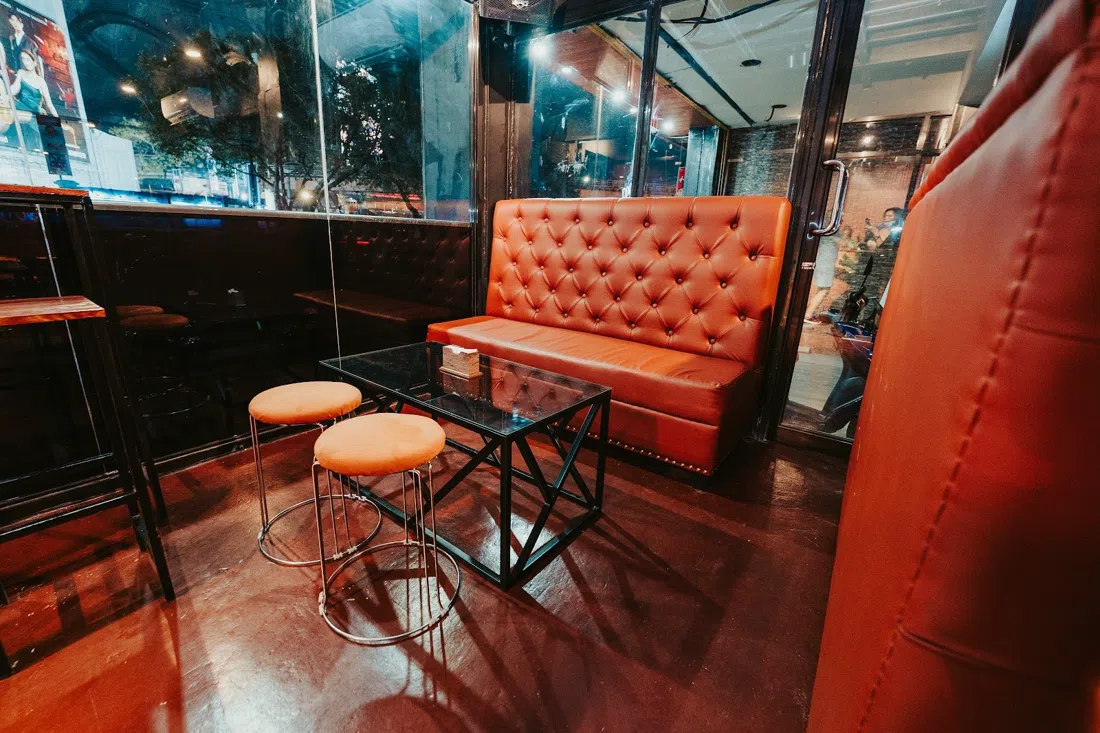
Next door on the same strip, Roots Gastro Bar (Timog Ave., Quezon City) bridges karaoke with a proper DJ-bar night out. It's walk-in-friendly for casual groups, open nightly from 7pm to 5am, and runs on a standard bar tab rather than a room-rental model — the right choice for readers who want singing as part of a bigger night rather than the entire plan.
Ortigas's Rowdier Room
Across the river in Pasig, Music Platinum Family KTV & Restaurant (Metrowalk, Pasig) is Ortigas's louder, more packed answer to Makati's polish. Weekend crowds here run lively bordering on rowdy, and pricing reflects the range of ways to book: individual rooms run ₱600–700 an hour, while all-inclusive party packages covering food and drink run ₱6,500–8,500 an hour depending on room size. It's the venue on this list where nobody bats an eye at a power ballad sung badly and loudly — which, depending on the night you're after, is either exactly the point or a reason to book elsewhere.
The Unspoken Rules of the Videoke Queue
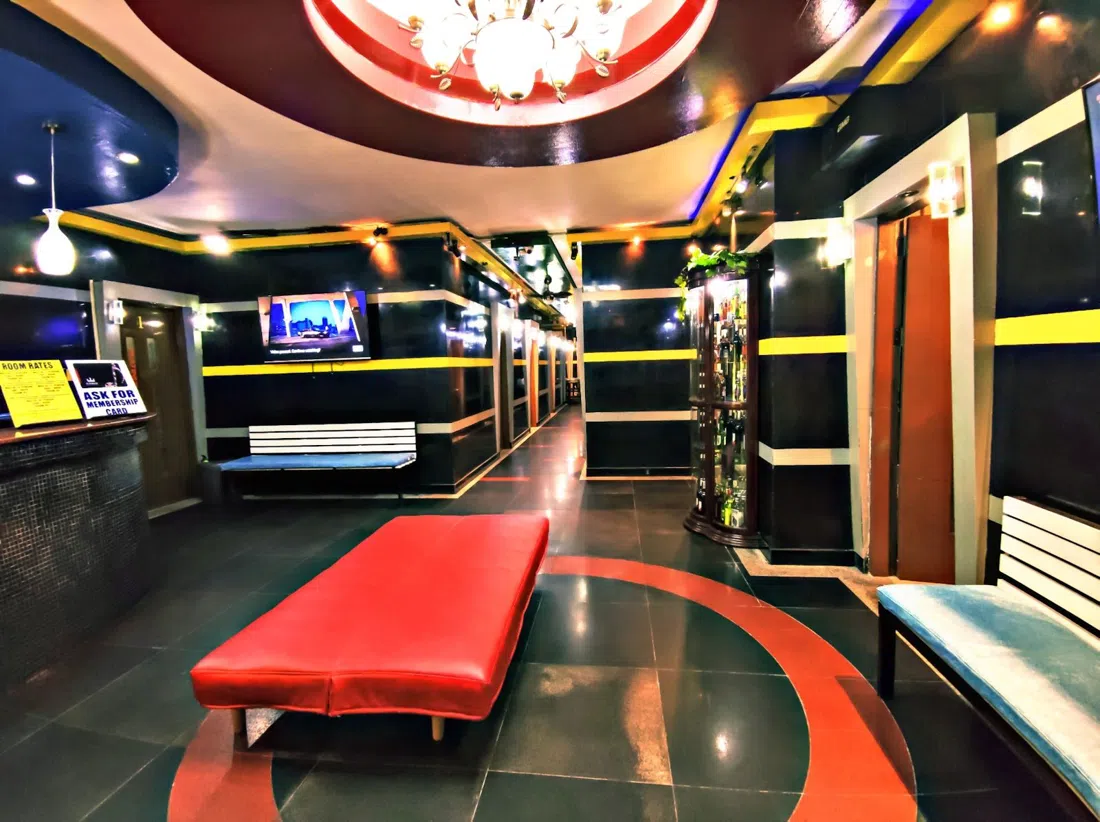
A few conventions hold across nearly every room on this list. The song list is a shared, living document — write your title clearly, because a machine operator or a friend keying in a mangled search is the single most common source of a lost turn. Groups take unofficial turns rather than one singer monopolising the mic for an hour; monitor the queue and offer the microphone along rather than waiting to be asked. Scoring is taken with a wink, not a straight face — a low score is fuel for a rematch, not an insult, and refusing to accept your 62 with grace is the fastest way to mark yourself as an outsider to the ritual. And tipping matters more at the street-level bars like FAB than at the mall chains, where the room rental already covers the staff's time.
Booking etiquette differs by venue type. The family KTVs and mall chains (Music 21 Plaza, Red Box, Rockstar, Centerstage, Music Platinum) expect a phone reservation for anything beyond a couple, especially on Friday and Saturday nights — walk-ins are gambling with a wait. The street-level bars (FAB, Chelu Bar) are genuinely walk-in, no reservation needed, no dress code beyond what you'd wear to any casual bar. Private-room venues aimed at couples or small groups, like Romance KTV Bar, sit in between — fine to walk in on a weeknight, worth a call ahead on weekends.
Practical Notes
Getting there: Makati's KTVs (Music 21 Plaza, Rockstar, Red Box, Centerstage, Uncle J) cluster within a short Grab ride of each other, making a multi-stop crawl realistic in one night. Quezon City's Timog strip (Music Bank, Roots Gastro Bar) and Pasig's Metrowalk (Music Platinum) are each their own separate trip — plan one district per evening rather than trying to cross the city between rooms. Malate and Ermita's street bars (FAB, Chelu Bar, Romance KTV Bar) sit within walking distance of each other along Mabini and Orosa. If you're basing yourself centrally for a few nights of this, start from a Manila hotel search in Makati or Malate — both put you within a short ride of most of this list.
Cash: Room rentals and buffet packages at the larger venues generally accept cards, but street-level bars and per-head promos run on cash, and small bills make settling a shared tab far easier at the end of the night. An ATM run before you start a crawl saves an awkward mid-song trip to find one.
Timing: Most rooms hit their real energy from 9pm, and several — Music Bank, Roots Gastro Bar — stay open until 5am, so there's no need to rush. Weeknights are markedly quieter and easier to walk into without a booking; weekends require a reservation at nearly every mall-anchored venue on this list.
Budget: A modest night runs from around ₱90 a head at Music Bank's hourly rate to the ₱4,000-plus room minimums at Poblacion's VIP setups — the spread means this is a night out that scales honestly from a backpacker's budget to a full corporate blowout. For a wider sense of what else the city offers around a singing night, the Manila guide covers the rest of the itinerary.