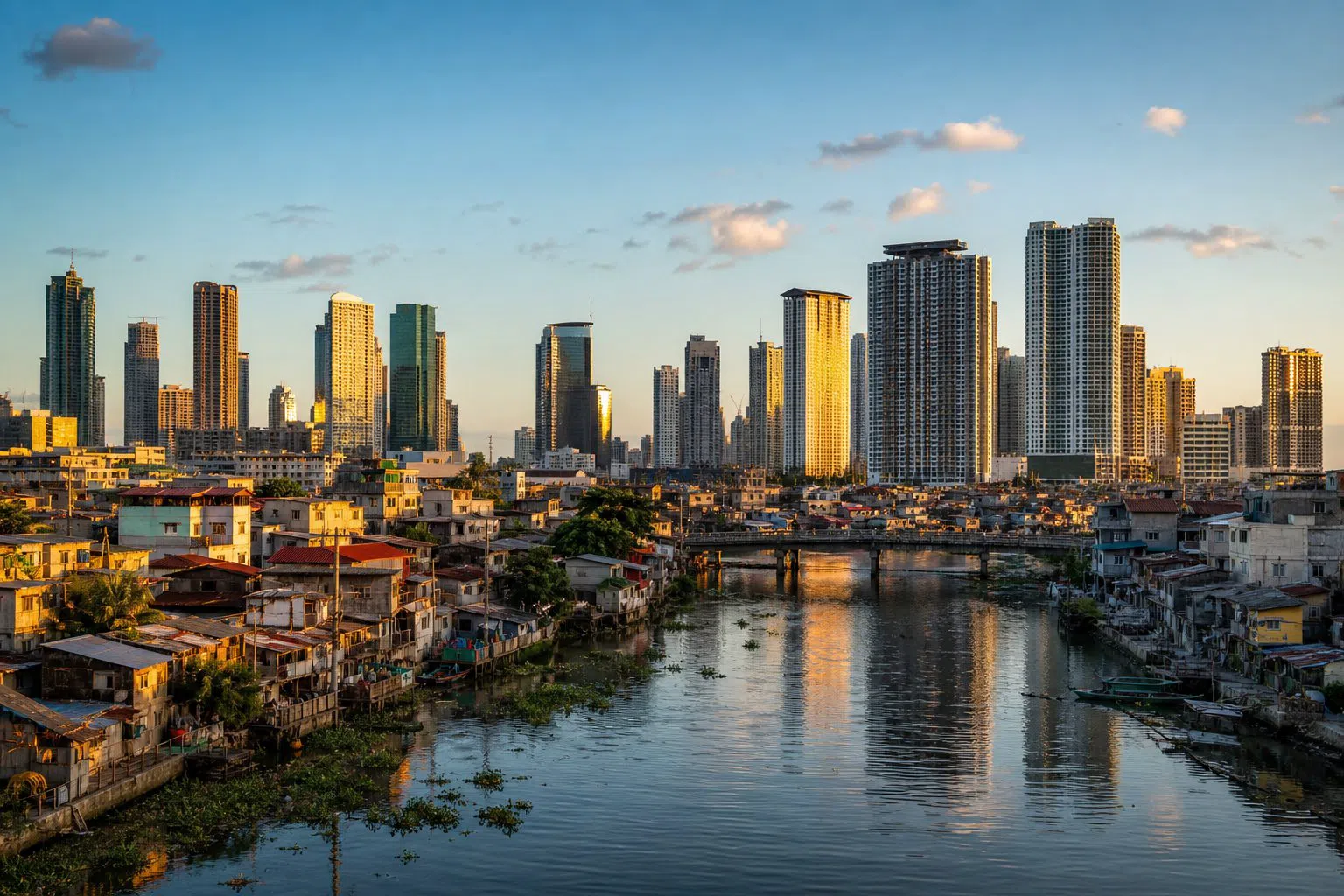
Manila
Manila does not ease you in.
Guests & rooms
The Manila guide
An insider’s read on Manila
MManila does not ease you in.
Manila’s identity is defined by layers of colonization, destruction, and rapid modernization. Once a wealthy indigenous trading port, it became the crown jewel of the Spanish Empire in Asia for over three centuries, leaving behind the walled enclave of Intramuros. Subsequent American rule introduced art deco architecture and a deeply ingrained English-speaking culture, while the devastation of World War II flattened much of the historic city. Today, the character of Manila is resilient and adaptive. The local culture is a distinct blend of Malay roots, Spanish Catholic traditions, and American consumerism, expressed through a warm, dry humor and an extraordinary capacity for hospitality.
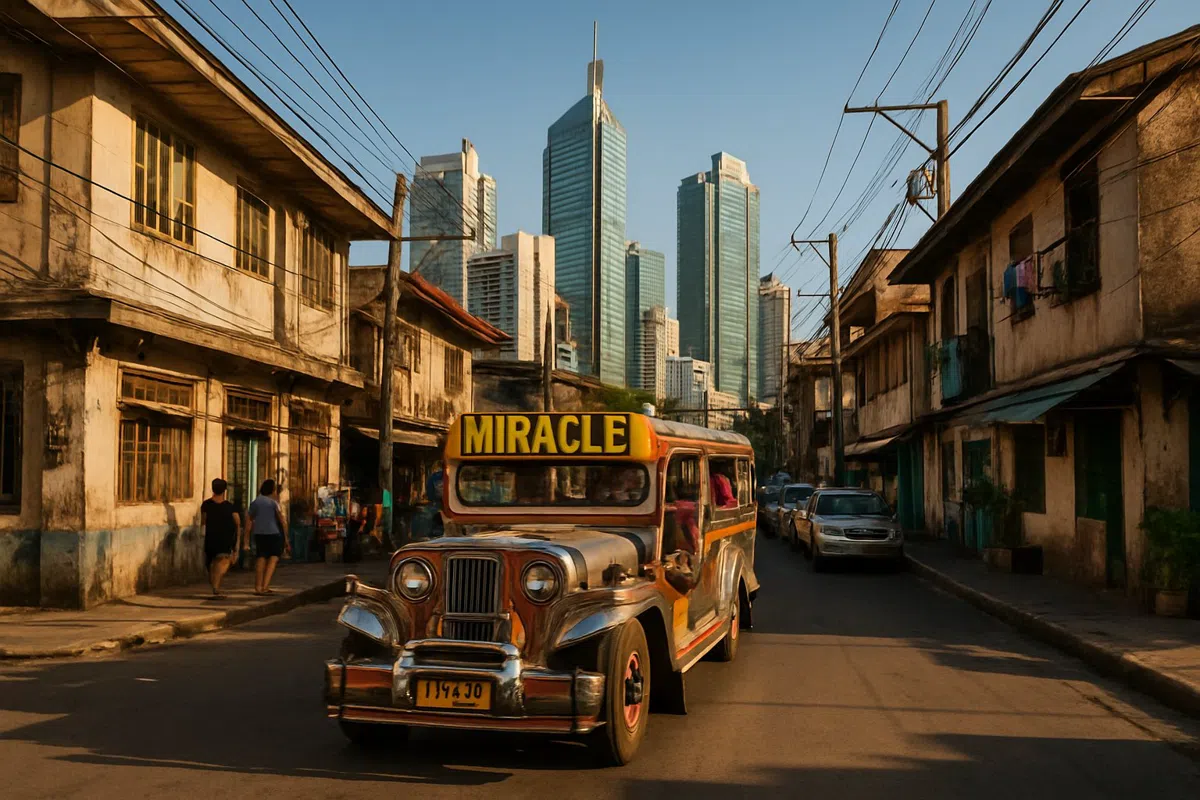
PLATE IManila, Philippines
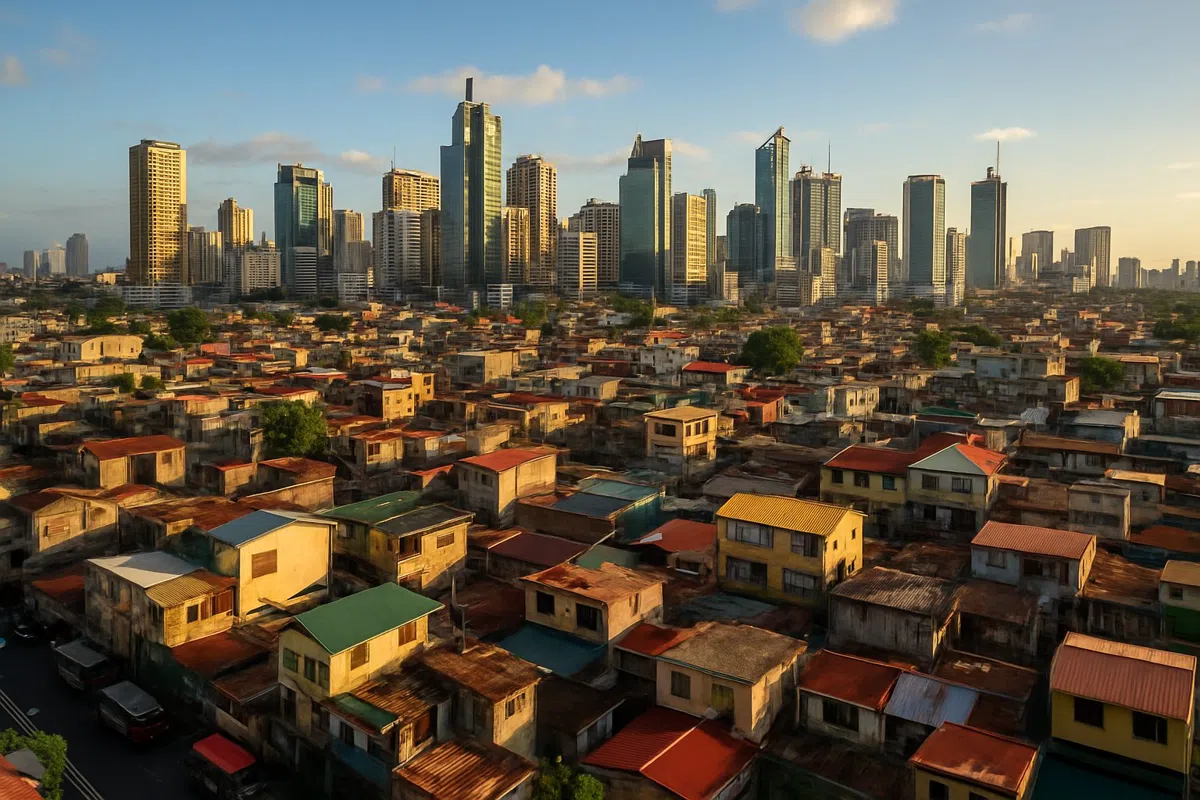
Guides & ideas
The Manila reading list
Hand-written guides from our editors — itineraries, the best of after dark, where to eat, and what’s genuinely worth your time.
How to Cross Manila Without Losing Half a Day
Manila stacks its transport in layers: an elevated tollway, three rail lines, a segregated bus lane and motorcycles that filter through the gaps. Knowing which one to use turns a two-hour crawl into twenty minutes.
Landing in Manila and Still Getting a Day Out of It
What to do with your first hours in Manila, hour by hour: airport beds, the transit tour, how much of Intramuros you can still reach, and what it all costs.
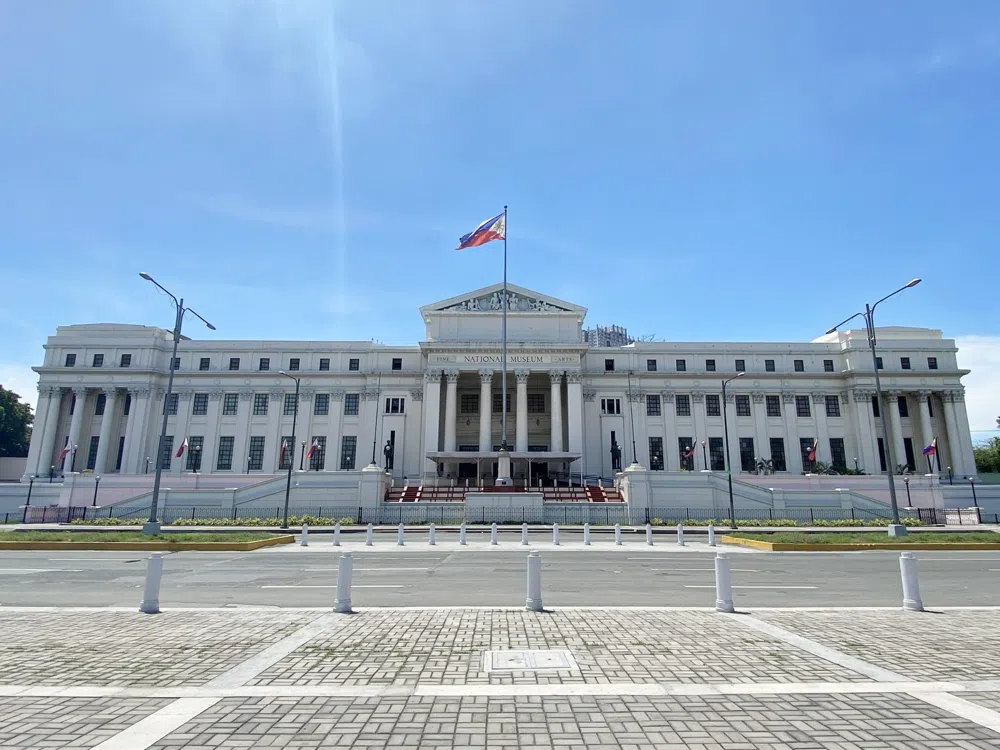
Walking Manila from Rizal Park to Escolta in the Rain
A one-day route through Manila's oldest quarter, planned around arcades, cloisters and free museums, so a downpour costs you almost nothing.
Working a Manila Layover Around the Traffic
A Manila layover can be worth leaving the terminal for, but only if you plan outward in rings and count the road time home first.
Two Days in Manila Spent Walking, Not Waiting
A two-day route through Intramuros, Binondo, Escolta, Makati and BGC, walked where it can be, with a river ferry between districts and a fort that stays open until ten.
Manila's Dry Routes from Museums to Mall Walkways
A district-by-district plan for a wet week in Manila, with the opening hours, prices and covered walkways that decide where a rainy day is worth spending.
Where to base yourself
The neighborhoods
01
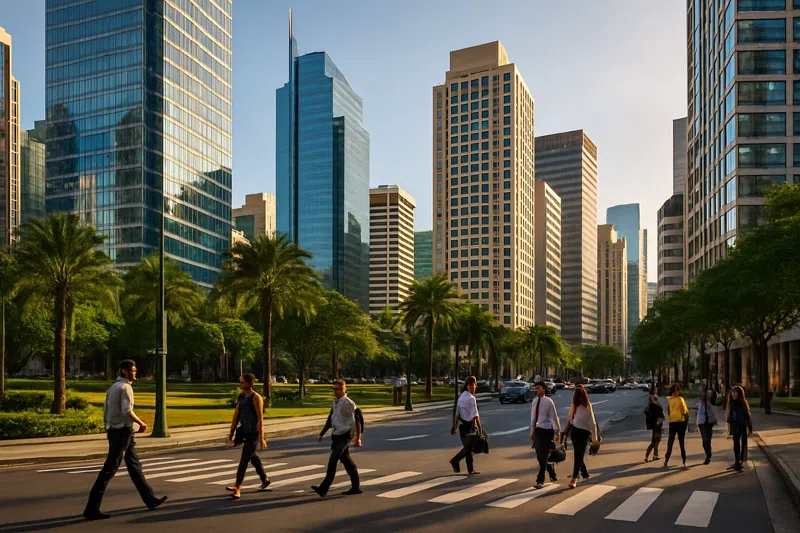
Makati Central Business District
For Business travelers, food lovers, and first-time visitors who want a safe, highly walkable base with access to top-tier dining. The trade-off is higher prices and a corporate atmosphere.
The financial powerhouse of the country, characterized by sleek skyscrapers, manicured parks, and upscale shopping complexes. It feels polished, international, and highly organized.
Where to stay — Legazpi or Salcedo Villages for quiet, tree-lined streets and boutique apartments, or along Ayala Avenue for international luxury hotels.
02
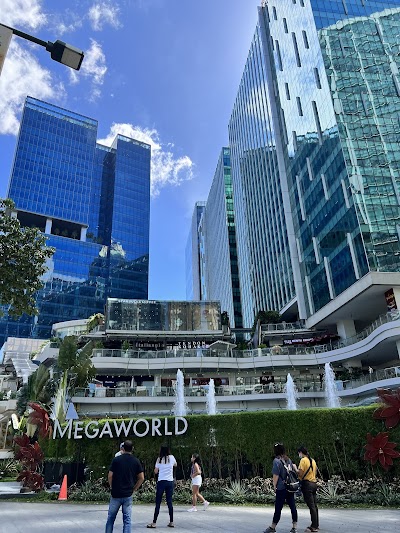
Bonifacio Global City (BGC)
For Families, luxury shoppers, and travelers seeking westernized comforts and high security. The trade-off is that it feels sterile and detached from the traditional character of Manila.
A highly modern, master-planned commercial district built on a former military base. It features wide, pedestrian-only avenues, vibrant street art, and glass-fronted lifestyle malls.
Where to stay — High-rise luxury hotels or modern serviced apartments near High Street.
03
Poblacion
For Backpackers, night owls, and culinary adventurers. The trade-off is noise, congested streets, and a lingering red-light presence on certain blocks.
A gritty red-light district turned hipster enclave. Narrow streets are packed with craft beer bars, indie galleries, and creative dining concepts operating out of converted houses.
Where to stay — Social hostels or budget boutique hotels tucked away from the main bar streets.
04
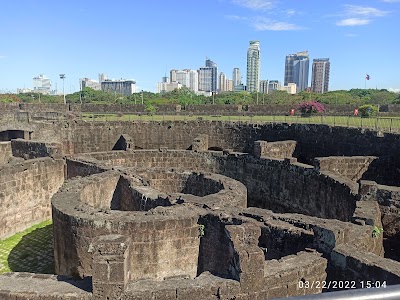
Intramuros
For History enthusiasts and day-trippers. The trade-off is a lack of modern dining options and limited quality lodging, meaning it is best visited by day rather than used as a base.
The historic heart of Manila, enclosed by massive stone walls built by the Spanish in the 16th century. It features cobblestone streets, colonial plazas, and restored ruins.
Where to stay — A few heritage-style boutique hotels near the cathedral.
05
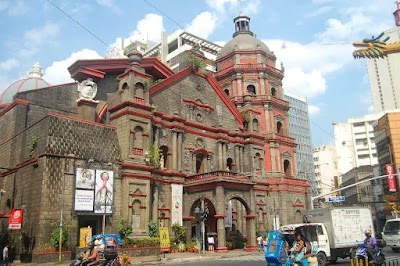
Binondo
For Intrepid foodies and budget travelers. The trade-off is extreme congestion, intense noise, and very basic infrastructure.
Established in 1594, this is the world's oldest Chinatown. It is a chaotic, high-sensory maze of jewelry shops, herbalists, and historic eateries serving Hokkien-Filipino fusion cuisine.
Where to stay — Basic business hotels near the river or Escolta Street.
06
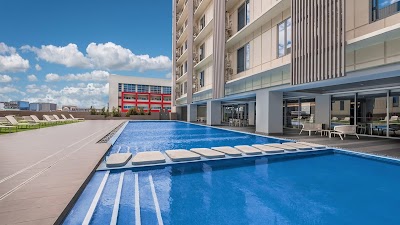
Pasay (Bay City)
For Leisure travelers, concert-goers, and those wanting proximity to the airport. The trade-off is that it is highly commercialized and lacks organic neighborhood charm.
A massive reclamation area along Manila Bay dominated by entertainment complexes, mega-malls, and sprawling casino resorts.
Where to stay — Integrated casino resorts or large-scale international chain hotels.
Book direct
Book a hotel in Manila
Loading live availability and real-time prices…
Where to eat
Dining
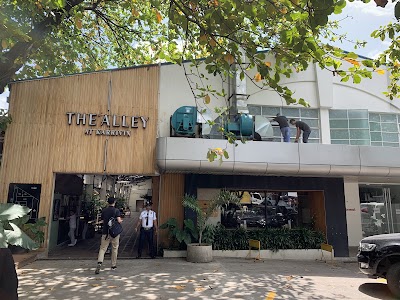
Toyo Eatery
€€€€Makati
Chef Jordy Navarra redefines Filipino flavors through a progressive, ingredient-driven tasting menu that honors local heritage.
Signature — The 'Bahay Kubo' salad, featuring all 18 vegetables mentioned in a classic Filipino folk song.
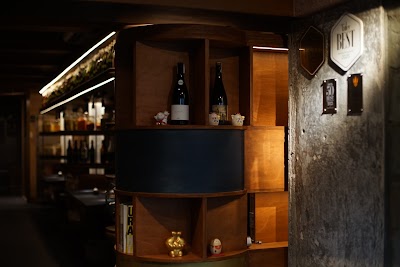
Metiz
€€€€Makati
Chef Stephan Duhesme focuses heavily on fermentation, delivering complex, sour-forward dishes that showcase the depth of Filipino terroir.
Signature — Fermented leaf wraps with local pork and native fruits.
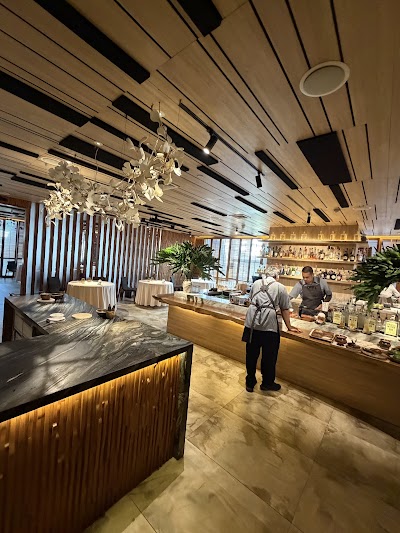
Gallery by Chele
€€€€BGC
Chef Chele Gonzalez combines Spanish avant-garde techniques with sustainable, locally sourced Philippine ingredients.
Signature — The multi-course tasting menu paired with local craft cocktails.
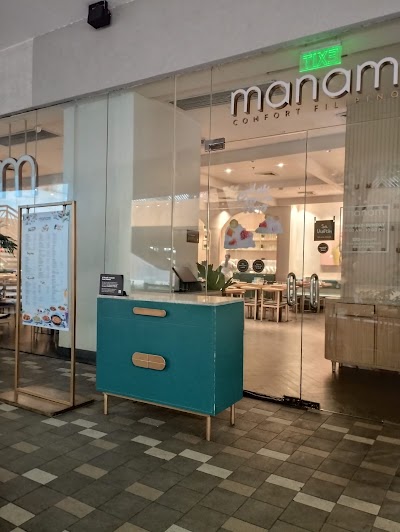
Manam Comfort Filipino
€€BGC
Offers both classic and modern interpretations of Filipino comfort food in varying portion sizes.
Signature — House Crispy Sisig, served sizzling with a perfect balance of crunch and richness.
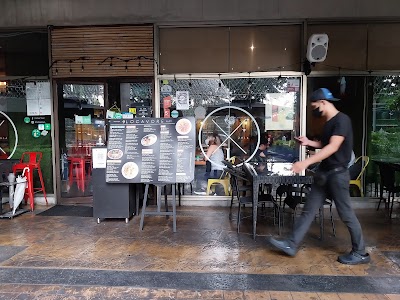
Locavore Kitchen & Drinks
€€Kapitolyo
A pioneer in playful, modern twists on traditional Filipino home cooking.
Signature — Sizzling Sinigang, a dry version of the classic sour soup served with gravy on a hot plate.
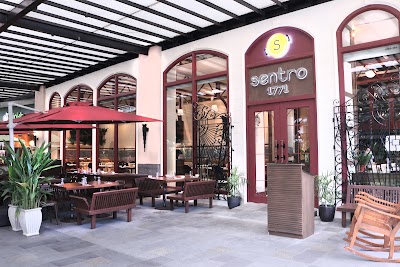
Sentro 1771
€€Makati
Famous for introducing modern Filipino cuisine to the mainstream in a refined setting.
Signature — Sinigang na Corned Beef, featuring tender beef in a tamarind broth tailored to your preferred sourness.
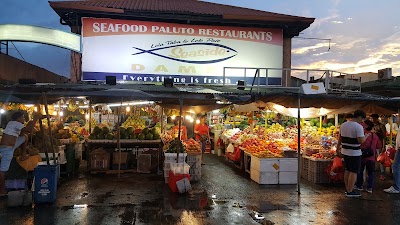
Dampa sa Macapagal
€€Pasay
A lively wet market where you purchase fresh seafood by weight and take it to adjacent restaurants to be cooked to your liking.
Signature — Mud crabs tossed in sweet chili garlic sauce.
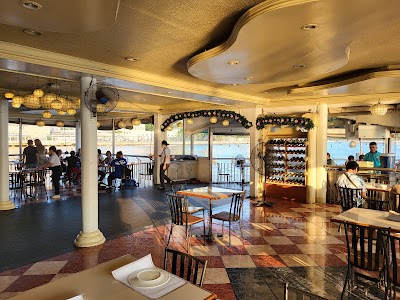
Harbor View Restaurant
€€Ermita
An open-air wooden pier restaurant extending over Manila Bay, offering classic seafood with sunset views.
Signature — Baked oysters topped with garlic and melted cheese.
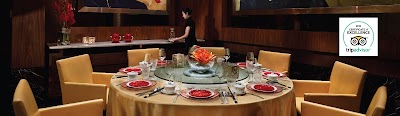
Red Lantern
€€€€Solaire, Pasay
Upscale Chinese dining offering premium, live seafood prepared with meticulous Cantonese techniques.
Signature — Steamed live grouper with superior soy sauce.
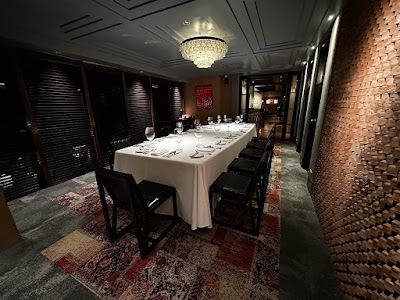
Elbert's Steak Room
€€€€Makati
An intimate, speakeasy-style dining room dedicated to serving USDA Prime, dry-aged meats cooked to perfection.
Signature — Super Prime Ribeye, served with minimal seasoning to highlight the meat's natural flavor.
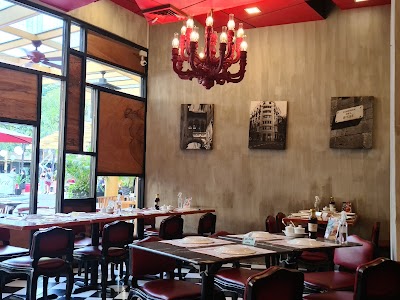
Mamou
€€€BGC
A beloved home-style kitchen famous for serving consistently exceptional steaks in a casual, family-friendly setting.
Signature — Angus Ribeye USDA Prime Grade Steak, served with steak rice.
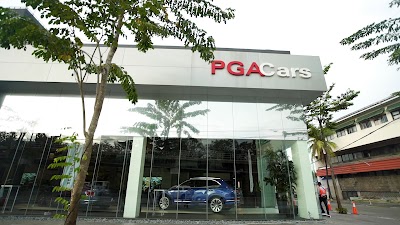
Antonio's at PGA Cars
€€€€Mandaluyong
A sleek, industrial-chic space offering high-end European dining and premium cuts of beef.
Signature — Dry-aged Porterhouse steak.
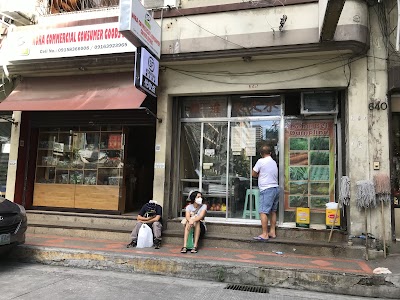
Dong Bei Dumplings
€Binondo
A tiny, no-frills shop where you can watch staff hand-roll dumplings right next to your table.
Signature — Pork and chive dumplings, freshly boiled and served with black vinegar.
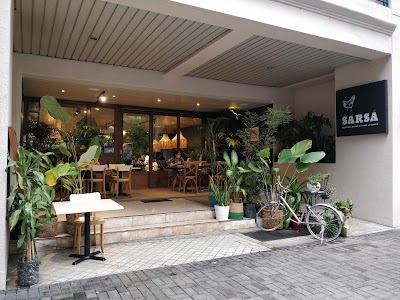
Sarsa Kitchen + Bar
€€BGC
Brings the vibrant, vinegar-splashed flavors of Negrense cuisine from the Visayas region to the capital.
Signature — Chicken Inasal, marinated in lemongrass and calamansi, grilled over charcoal.
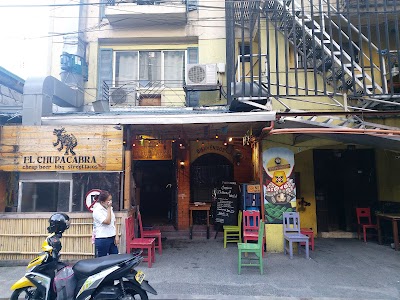
El Chupacabra
€Poblacion
A lively street-side venue credited with kickstarting Poblacion's gentrification with cheap drinks and street tacos.
Signature — Al Pastor tacos served on soft corn tortillas.
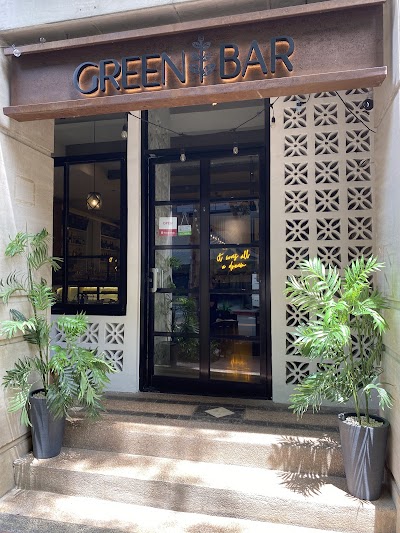
Green Bar
€€Makati
A fully plant-based cafe serving indulgent, creative vegan comfort food and house-made pastries.
Signature — Vegan Buffalo Cauliflower Wings and their famous gourmet vegan donuts.
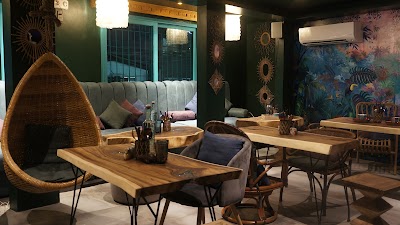
Cosmic
€Poblacion
A cozy, hidden vegan bistro that successfully veganizes traditional, meat-heavy Filipino classics.
Signature — Vegan Sisig, made with mushrooms and tofu on a sizzling hot plate.
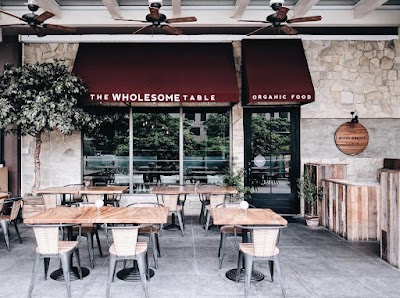
The Wholesome Table
€€€BGC
An organic, health-focused restaurant offering a wide range of vegetarian, vegan, and gluten-free options in a rustic setting.
Signature — The Buddha Bowl, packed with organic grains, roasted vegetables, and tahini dressing.
After dark
Nightlife
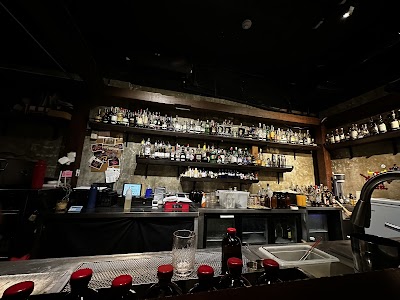
The Curator Coffee & Cocktails
Makati
Consistently ranked among Asia's best bars, this venue operates as a third-wave coffee shop by day and a serious craft cocktail den by night.
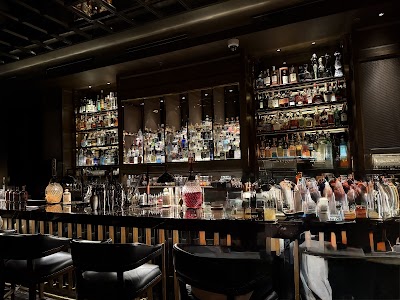
The Back Room
BGC
A glamorous, 1920s-style speakeasy hidden inside the Shangri-La hotel, featuring its own custom-distilled gin.
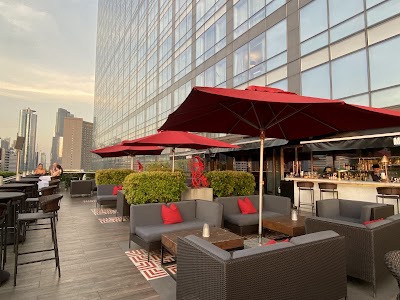
Mistral Rooftop Bar
Makati
Perched high above the financial district, offering excellent open-air views of the skyline.
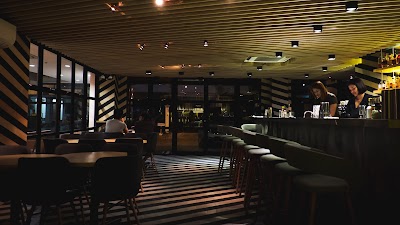
Oto
Poblacion
A specialized listening room and bar that transforms into an intimate dance floor on weekends.
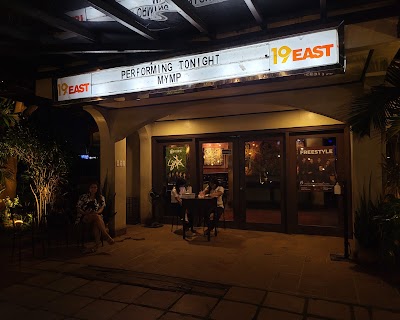
19 East
Sucat
Widely considered the best-sounding live music venue in the country, hosting legendary Filipino bands and solo artists.
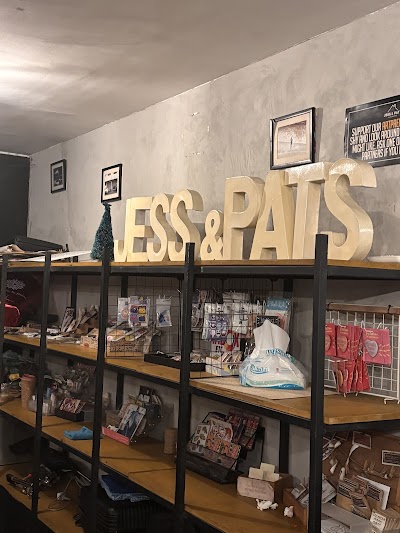
Jess & Pat's
Quezon City
A cozy, student-friendly venue that serves as a launchpad for the country's rising indie-pop and acoustic artists.
Book ahead
Top-rated experiences in Manila

Immerse in Culture: Villa Escudero Coconut Plantation Experience
from $170

Customize Private Morocco Tours
from $102

Banaue-Hapao Rice Terraces (Car Rental W/ Manila Tourist Driver)
from $300

Intramuros Walking Tour by Don't Skip Manila | Shore Excursion
from $83

Private Half-Day Shore Excursion in Manila
from $126

2 Days Private Bataan Tour with Corregidor
from $1150

Shared Old Manila Tour
from $142

Manila Hidden Gem Fishing Village Excursion
from $140
Prices from Viator; we may earn a commission when you book — at no extra cost to you. Tours are sold and operated by Viator, the merchant of record. Ratings are collected by Viator and Tripadvisor.
Timing
When to visit
Cool Dry Season (December to February)
Temperatures are relatively mild and humidity is at its lowest. The city is festive due to the extended Christmas season, though traffic reaches its absolute peak during December shopping rushes.
Hot Dry Season (March to May)
Temperatures frequently exceed 35°C (95°F). The heat in the concrete city can be oppressive, making this a time when locals retreat to air-conditioned mega-malls.
Wet Season (June to November)
Characterized by heavy afternoon downpours and potential typhoons. While hotel rates are lower, street flooding can paralyze transit networks instantly.
What it costs
Budgeting
Logistics
Getting around
From the airport
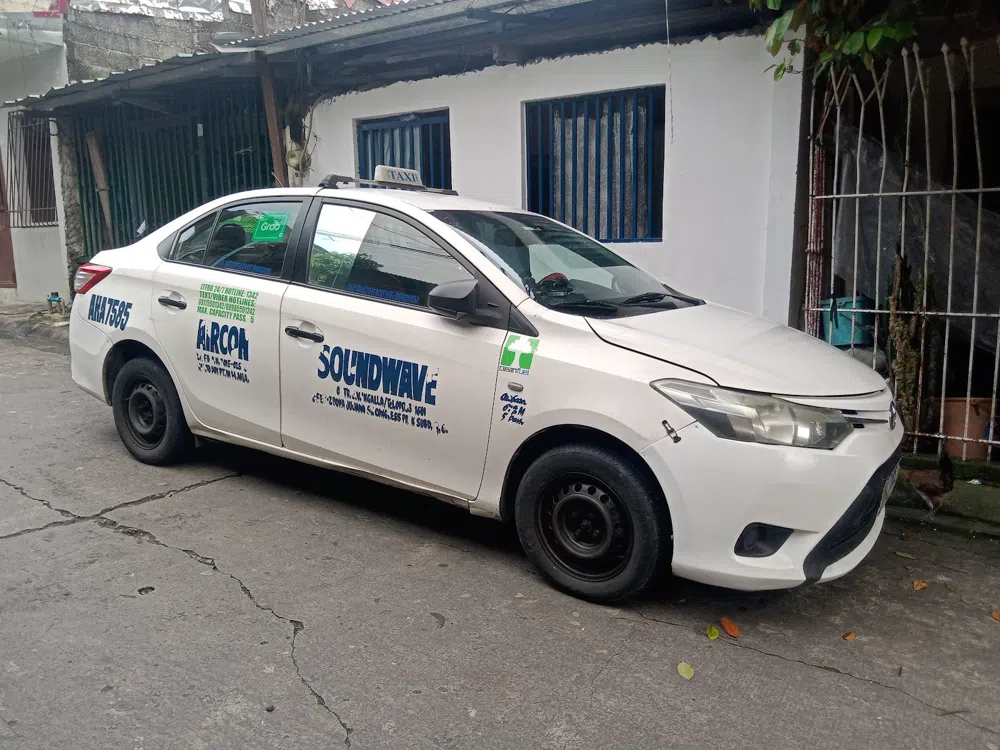
Ninoy Aquino International Airport (NAIA) is located close to the city center but suffers from severe traffic. Avoid hailing unmetered white taxis outside the terminals. Instead, use the Grab app from designated pickup zones, or book a coupon taxi at a fixed rate from official counters inside the arrivals hall.
Public transit
The elevated rail transit systems (LRT and MRT) are fast and cheap but suffer from extreme overcrowding during rush hours. Jeepneys and tricycles serve shorter, localized routes; they require local knowledge of routes and fares, which are paid in cash directly to the driver.
Passes & tickets
The Beep Card is a reloadable contactless card used for the LRT, MRT, and select modern buses. It costs less than €2 to purchase and can be topped up at any station, saving significant time spent queuing for single-journey tickets.
On foot
Generally poor. Sidewalks are frequently uneven, interrupted, or non-existent, and pedestrian crossings are often ignored by drivers. Bonifacio Global City (BGC) and the Salcedo/Legazpi areas of Makati are the only districts designed with pedestrian-friendly infrastructure.
Travel smart
Safety & etiquette
Local etiquette
- •Respect elders by using the polite particles 'po' and 'opo' when speaking English or Tagalog.
- •Do not be offended by personal questions regarding your marital status or weight; Filipinos are naturally warm and direct in conversation.
- •Tipping is appreciated but not mandatory. A 10% service charge is usually included in mid-to-high-end restaurants; if not, leaving a small cash tip is customary.
From the ground
Practical tips
1
Always carry a light jacket or sweater; shopping malls, offices, and cars blast air conditioning to freezing levels.
2
Buy a Beep Card at any train station to bypass long ticket queues for the elevated transit lines.
3
Use GrabCar instead of GrabTaxi for a fixed fare that will not increase if you get stuck in heavy traffic.
4
Avoid drinking tap water; stick to bottled or filtered water provided by reputable hotels and restaurants.
5
Check the weather forecast daily during the wet season to avoid getting stranded by sudden localized street floods.
Manila FAQs
Is English widely spoken in Manila?
Yes, English is an official language and is spoken fluently by almost everyone in retail, hospitality, and professional services.
How do I avoid the infamous Manila traffic?
Stay in the neighborhood where you plan to spend most of your time, travel outside peak commute hours, and use the elevated MRT/LRT lines when traveling long north-south distances.
Do I need cash, or are credit cards widely accepted?
Credit cards are widely accepted in malls, hotels, and upscale restaurants, but you must carry cash (Philippine Pesos) for taxis, street food, markets, and small neighborhood shops.