The Manila issue
Walking Manila from Rizal Park to Escolta in the Rain
A one-day route through Manila's oldest quarter, planned around arcades, cloisters and free museums, so a downpour costs you almost nothing.

By Mariana FonsecaIntramuros walls to the last ferry out
Manila's rain does not negotiate. Between June and November the habagat blows in off the sea and a bright morning goes vertical in about ten minutes, so a street you crossed dry at eleven can be calf-deep by half past twelve. What rescues the day is that the oldest part of the city was built by people who assumed exactly this: a corridor of arcades, cloisters, thick stone galleries and deep porches runs from Rizal Park north across the Pasig to Escolta, walkable in a single day with only a few genuinely exposed minutes in it.
The shape of the walk
The route runs roughly three and a half kilometres in a straight-ish line: three free national museums on the edge of Rizal Park, then south-west into the walled city of Intramuros for the cathedral, the church museums and lunch, then north across the Pasig into Binondo for the eating streets, and finally two blocks east into Escolta, where the walk ends in an art deco building full of coffee, artists and secondhand books.
Walked slowly with proper stops it is a full day, around seven hours. Cut the Intramuros house museums and it becomes a comfortable half day. Every leg ends inside something covered, so when the sky opens you are never more than five or six minutes from a roof. Only one stretch, the bridge over the river, is properly exposed, and that is the leg worth putting in a taxi if the water is coming down sideways.
Day of the week matters more than the forecast here. Most of the museums on this route close on Mondays, which makes Monday the single day not to attempt it. Tuesday to Friday everything on the list is open. On Saturday the small museum at the Escolta end shuts at noon, so you would have to walk the route backwards; on Sunday it does not open at all. If you are still choosing dates, our Manila guide covers the wider city rhythm, but for this particular walk, aim for a weekday.
Plan your Manila trip
Live prices from our booking partners.
Free cancellation on many rooms. We may earn a commission when you book.
Three free museums at the top of Rizal Park
Start at the northern edge of Rizal Park, where three colossal government buildings from the American colonial period were handed over to the National Museum complex and now sit within a few minutes' walk of each other. All three are free, and free matters on a wet day because it removes the pressure to "get your money's worth" out of a room while a storm passes.
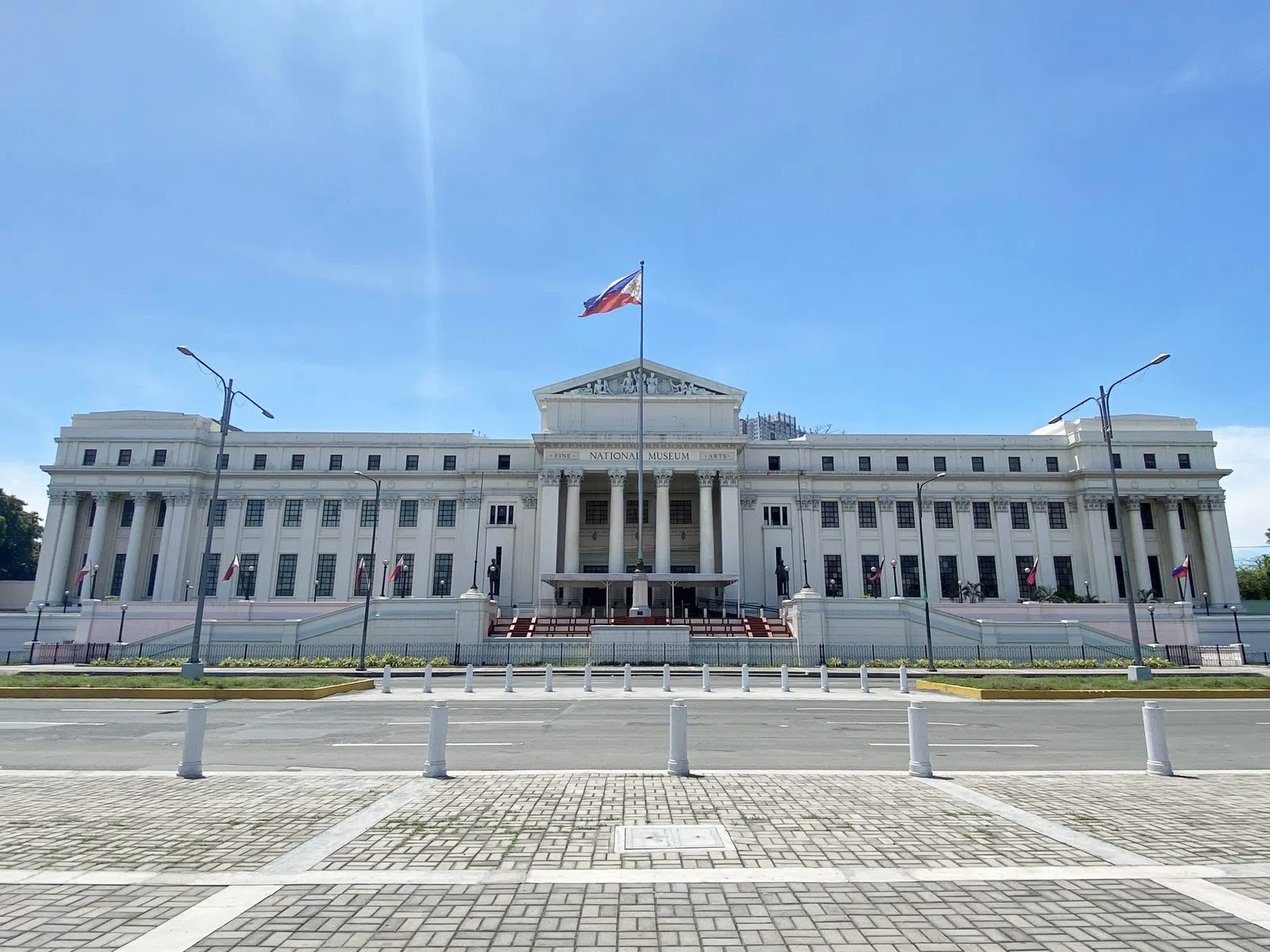
National Museum of Fine Arts (Rizal Park, Ermita side) is the anchor of the whole route and the best rain shelter in the city: five floors of Philippine painting and sculpture in the old Legislative Building, two minutes from the park. Entry is walk-in with no booking needed; the door staff ask for one valid ID per group, so nominate someone to carry it. Large groups are routine here, school parties included, and guided-tour slots can be reserved in advance through reservation.nationalmuseum.gov.ph. It opens Tuesday to Sunday and closes on Mondays. If the rain has settled in for the morning, this single building will absorb two hours without complaint.

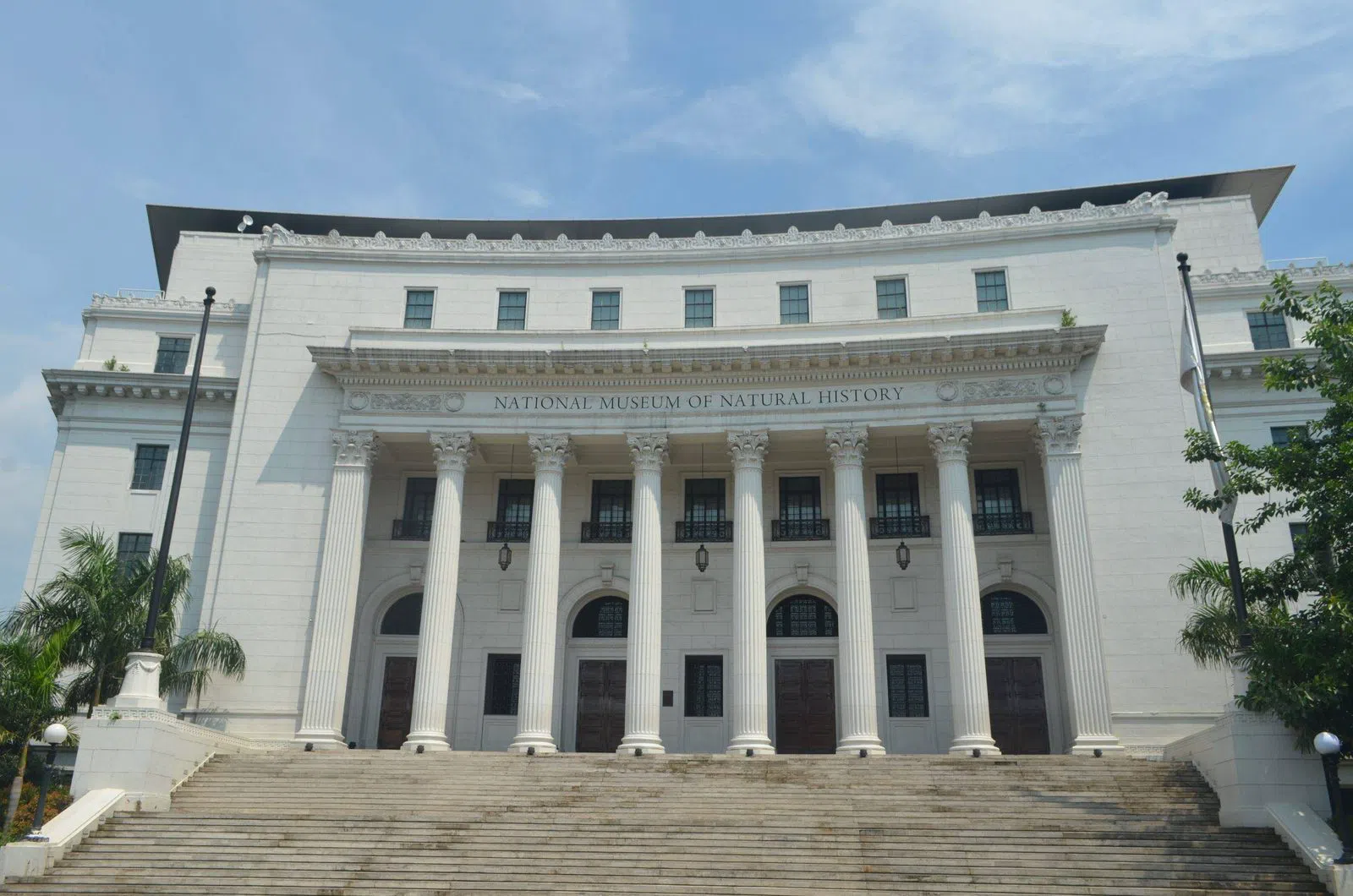
National Museum of Natural History (Rizal Park) sits a short covered hop across the park, and its central domed atrium, a great pale double-helix ramp under glass, is worth the walk on its own when the rain is horizontal. Entry is free and walk-in, groups are welcome, and the wide ramps handle crowds far better than a corridor-based museum would. The same ID-at-the-door system applies.
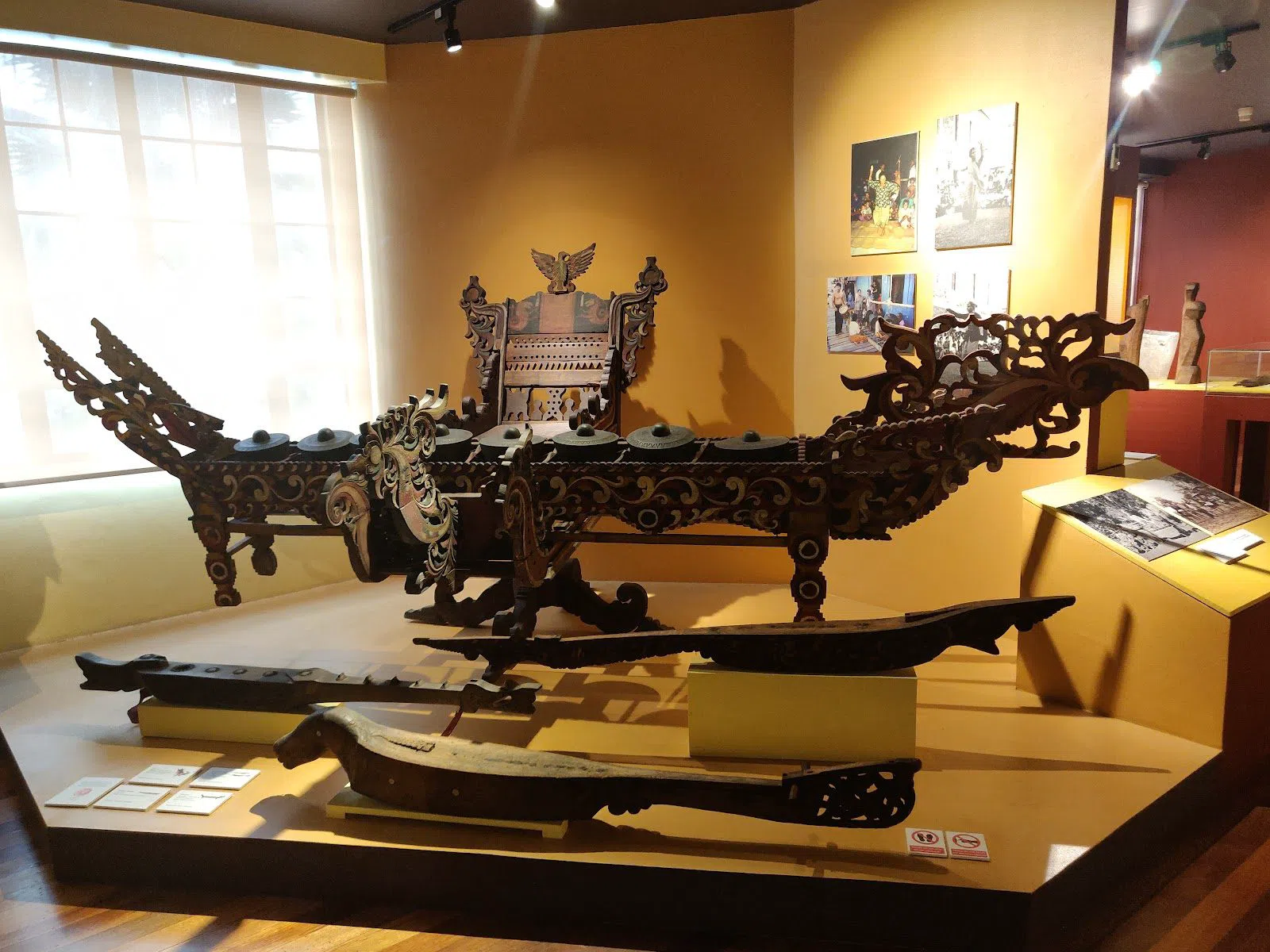
National Museum of Anthropology (Rizal Park) completes the set, open Tuesday to Sunday, 9am to 6pm, closed Mondays, free, walk-in, groups fine. This is the one that explains the archipelago beyond the capital: the boats, the textiles, the burial jars. Cut it only if you are short of time, never if you are short of good weather. Two of the three plus a coffee is a realistic morning; all three is a genuinely full one.
Through the walls to Manila Cathedral
From the museums it is about fifteen minutes on foot south-west into Intramuros, the Spanish walled city, most of which was flattened in the battle for the city in 1945 and rebuilt in pieces afterwards. The streets inside the walls are narrow and the buildings hold their eaves out over the pavement, which helps.
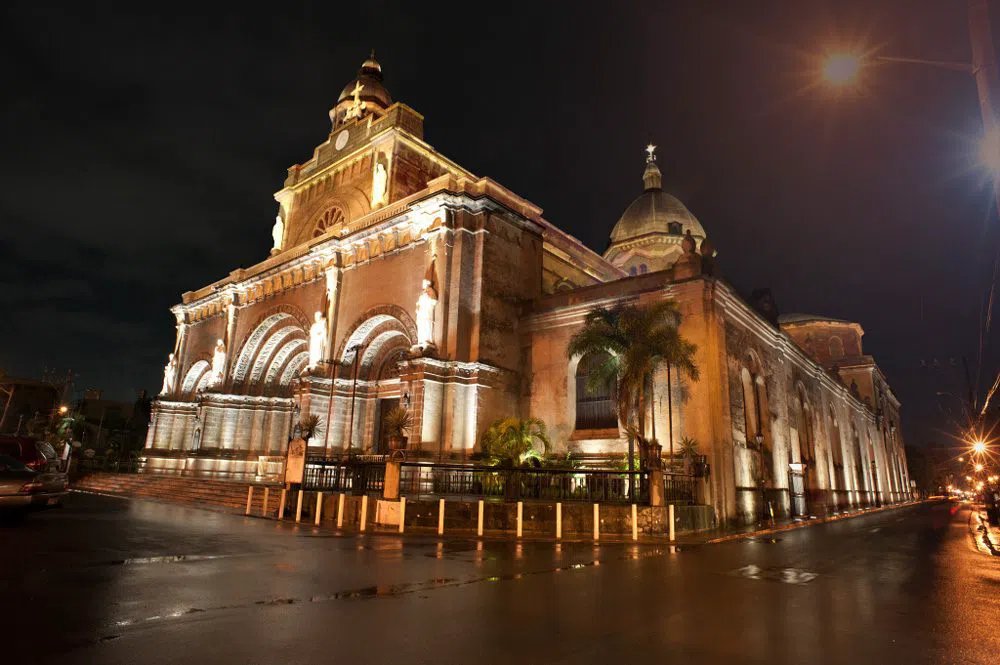
Manila Cathedral (Intramuros) is the first dry stop inside the walls and a natural pause point, a vast, cool, echoing volume with a good organ and very little to buy. Entry is free for visitors outside Mass, with donations welcome. Groups are fine, but you are expected to stay quiet and out of the aisles during services, weddings and funerals, and this cathedral runs a lot of all three. Hours shift around the liturgical schedule, and some listings show a Monday maintenance closure, so treat it as a stop you check on the day rather than a fixture you plan the route around.
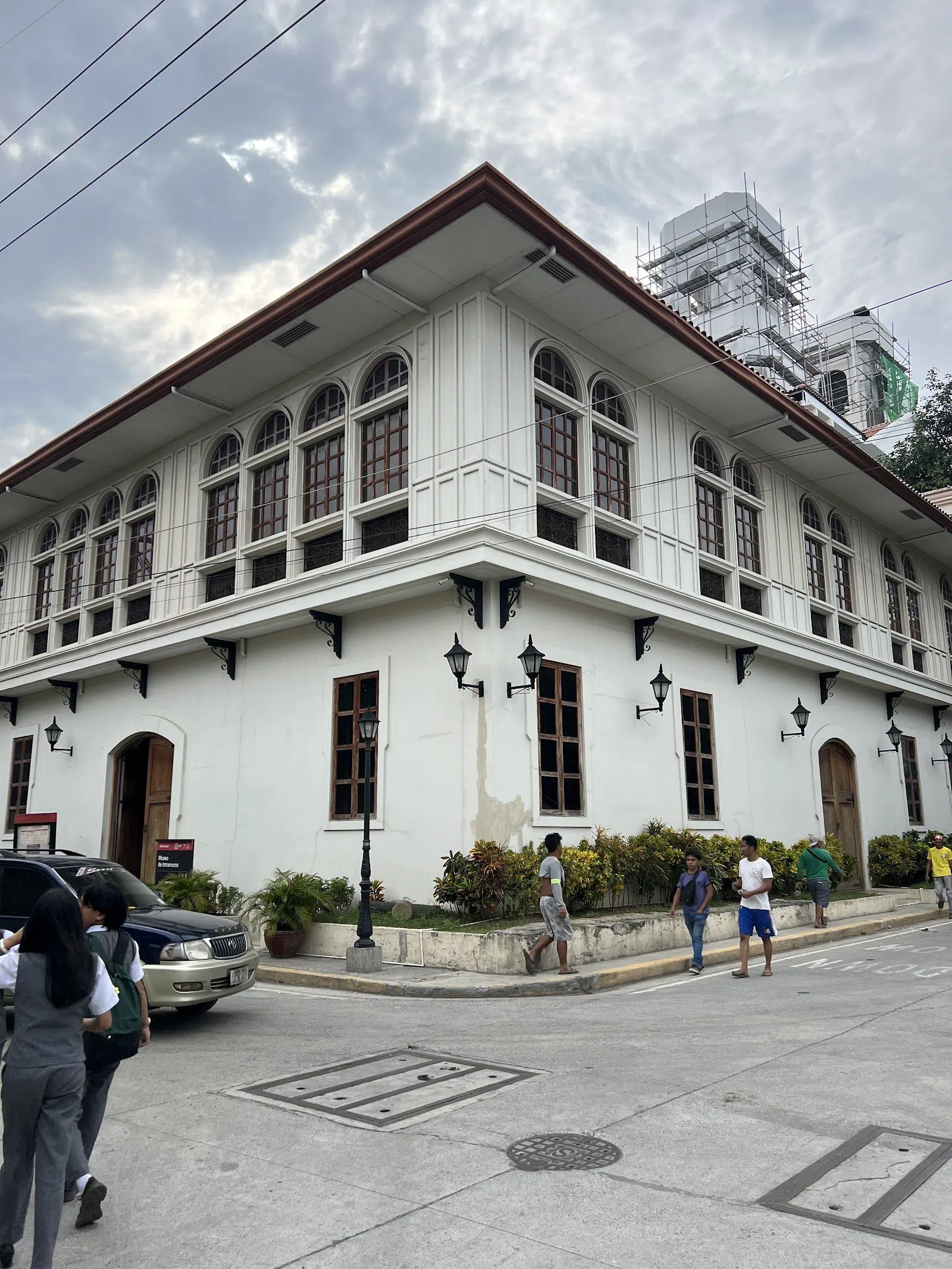
Museo de Intramuros (Intramuros) is a five-minute walk away and, for my money, the most beautiful indoor room in the walled city: the shell of a church destroyed in 1945, rebuilt as a gallery for ecclesiastical art. The collection is hung so that you read the religious history of the islands as a sequence rather than a pile. It is open Tuesday to Sunday, 9am to 6pm; entry is free or low-cost with slots bookable online or through Klook, and walk-ins are subject to capacity. Anything above a handful of people should book ahead. It is fully enclosed, which is the point on a day like this.
Lunch inside the walls
Barbara's Heritage Restaurant (Intramuros) is the obvious mid-route lunch and the only place on this stretch that can comfortably seat a tour group and time a performance around the weather. The lunch buffet starts at 11:30am with the cultural show at 12:15pm; dinner service starts at 6:30pm with the show at 7:15pm. Reckon on PHP 1,000 to 1,800 per head for the buffet, and reserve if you are more than a couple. If a full buffet feels heavy in humid weather, and it often does, the à la carte menu is there, and taking the show without the buffet is a reasonable way to sit out an hour of hard rain.
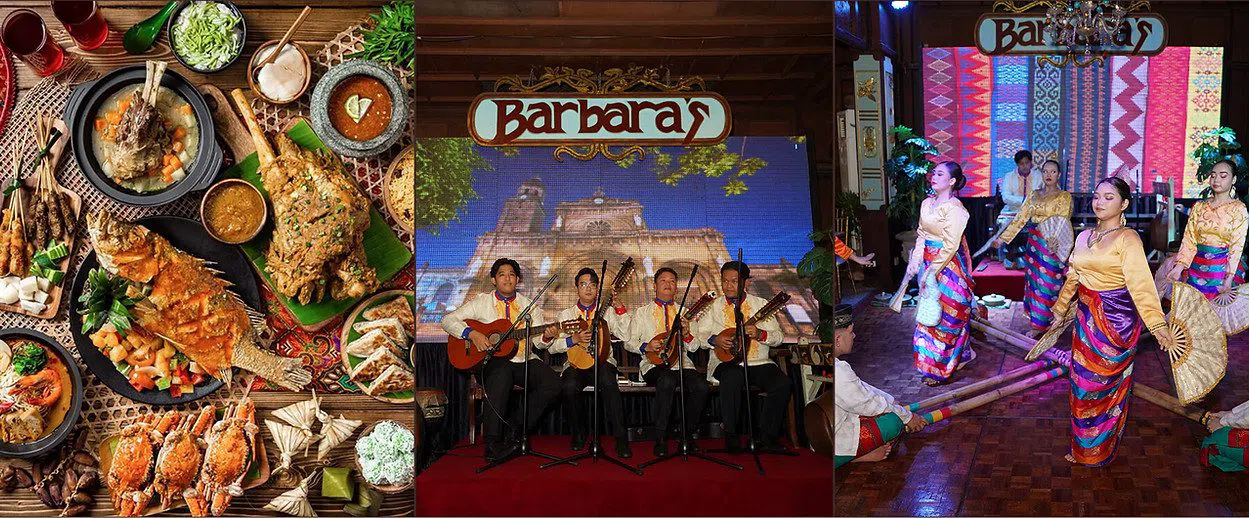
Couples who would rather not eat to a schedule can skip it entirely and hold out for Binondo, which is an hour away and much better eating. Groups should book it, because the alternative is standing in a doorway on Ongpin negotiating six opinions in the wet.
Casa Manila and San Agustin under cover
Casa Manila (Intramuros) is a reconstruction of a wealthy 1800s household, and it does what few museums manage: it shows you the plumbing, the kitchen, the servants' routes, the twin toilets, not just the good furniture. Open Tuesday to Sunday, 9am to 6pm, closed Mondays; PHP 75 regular, PHP 50 discounted. Groups are fine in principle, but the upstairs rooms are narrow and a party of fifteen will jam them, so split larger groups and stagger the entry. The arcaded courtyard is the practical bonus: you can move between rooms and floors without going back out into the rain.

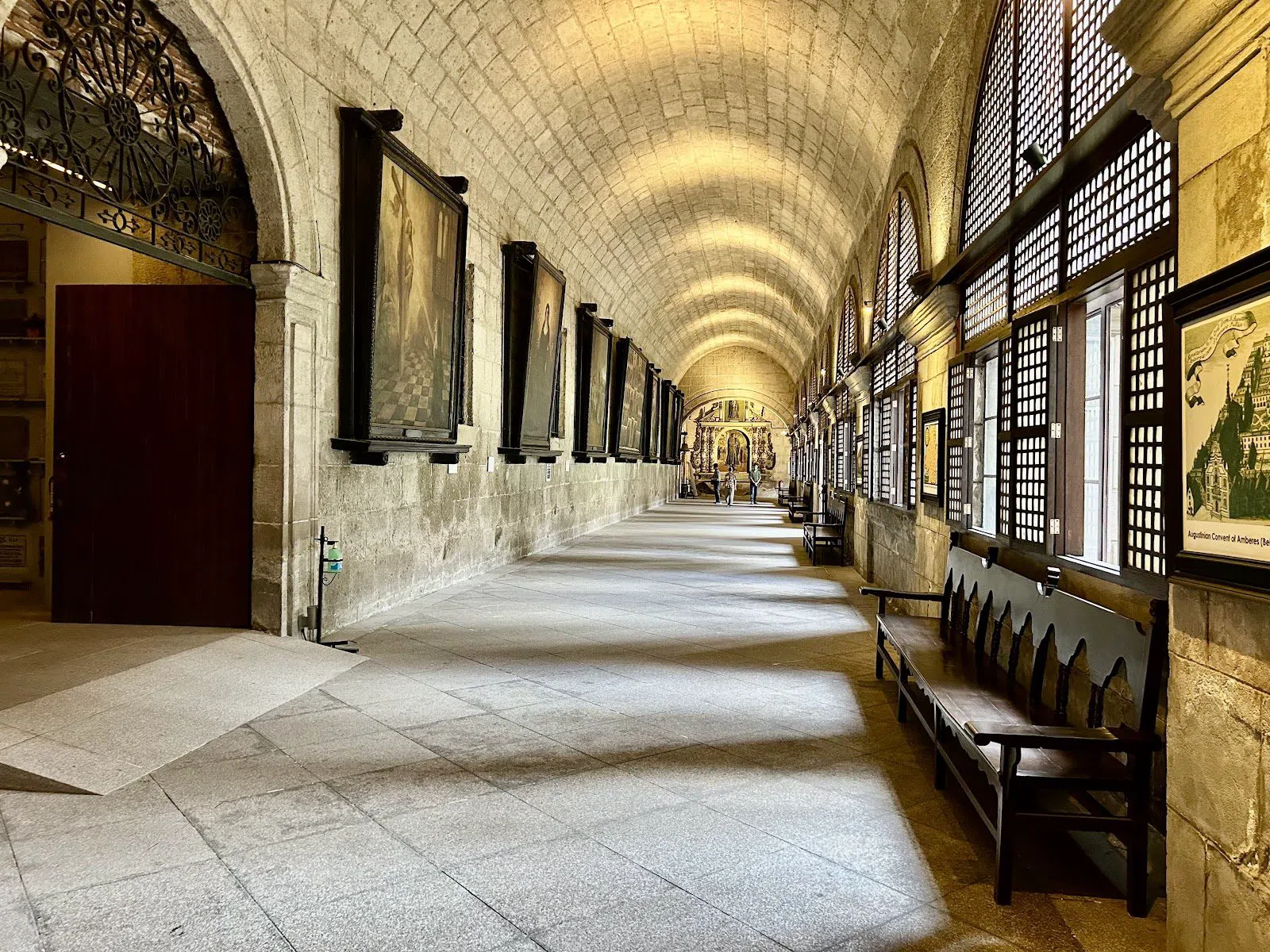
San Agustin Church and Museo San Agustin (Intramuros) is across the road and is the one building inside the walls that survived 1945, which is why its ceiling, its carved doors and its choir stalls feel different from everything else you have seen all day. The church is free; the monastery museum costs about PHP 200. Hours are daily, 8am to 12pm and 1pm to 5pm, with a firm midday break that catches people out. Access is restricted or closed during Masses and during the weddings this church is booked solid with, so a Saturday visit is a lottery. The cloister walkways let you circle an entire monastery under cover, which on a wet afternoon is close to ideal architecture.
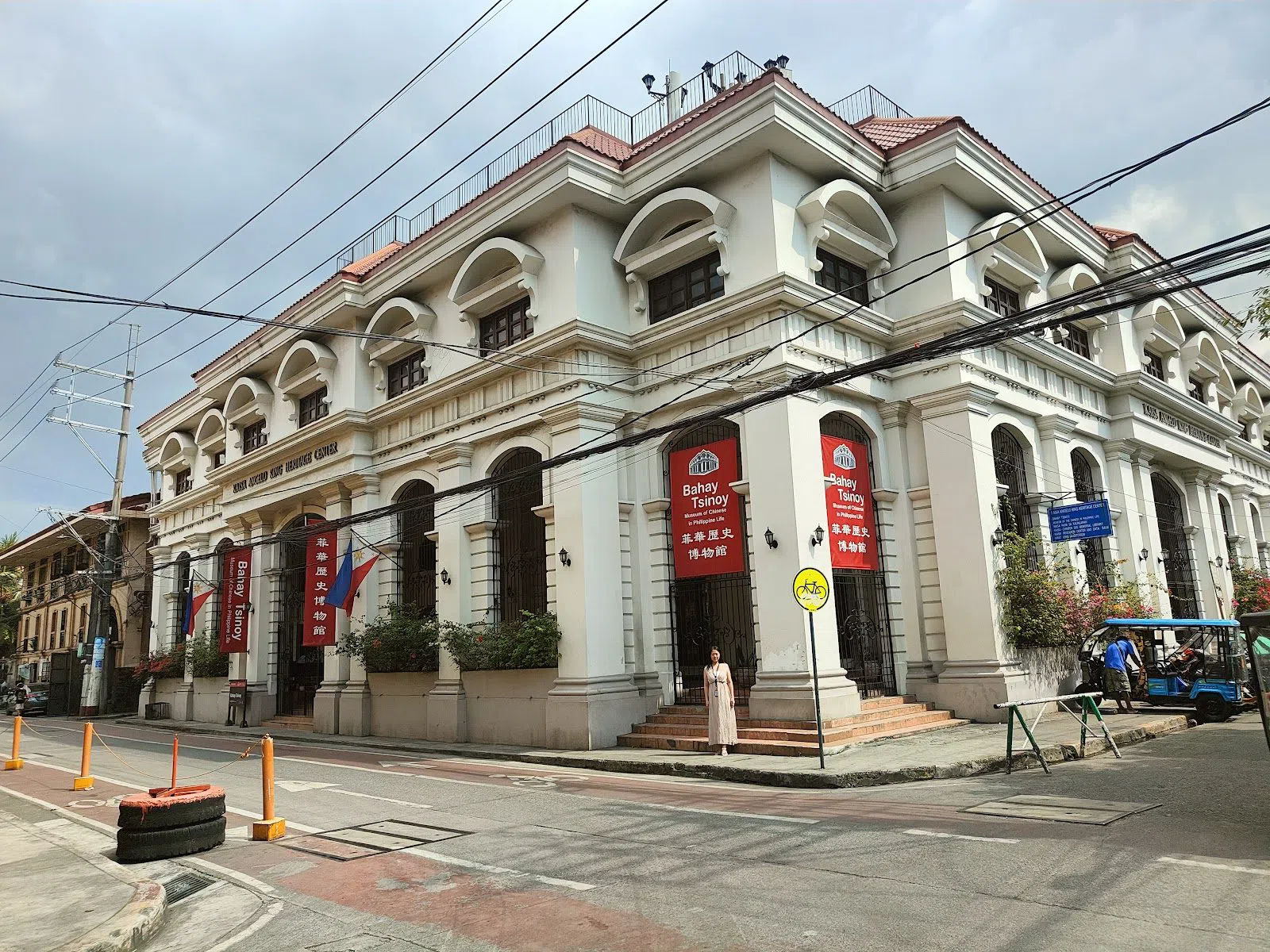
Bahay Tsinoy, Museum of the Chinese in Philippine Life (Intramuros) is the bridge stop, and taking it in the right order changes the second half of your day. It traces Chinese life in the islands from the galleon trade through the Parián ghetto to the present, which means that when you walk into Binondo an hour later you are reading a place rather than grazing it. Open Tuesday to Sunday, closed Mondays, about PHP 100. Some listings show afternoon-only hours, so groups should call ahead and fix a time rather than turn up hopeful.
Crossing the river into Binondo
This is the wet part. From the northern edge of Intramuros you cross the Pasig on Jones Bridge, restored, lamplit and genuinely handsome, and it takes about fifteen minutes on foot to reach Binondo Church on the far side. There is no shelter on the bridge. In a serious downpour, take a metered taxi or a ride-hailing car for this leg alone; it is a short, cheap hop, and arriving soaked undoes the whole strategy of the day.
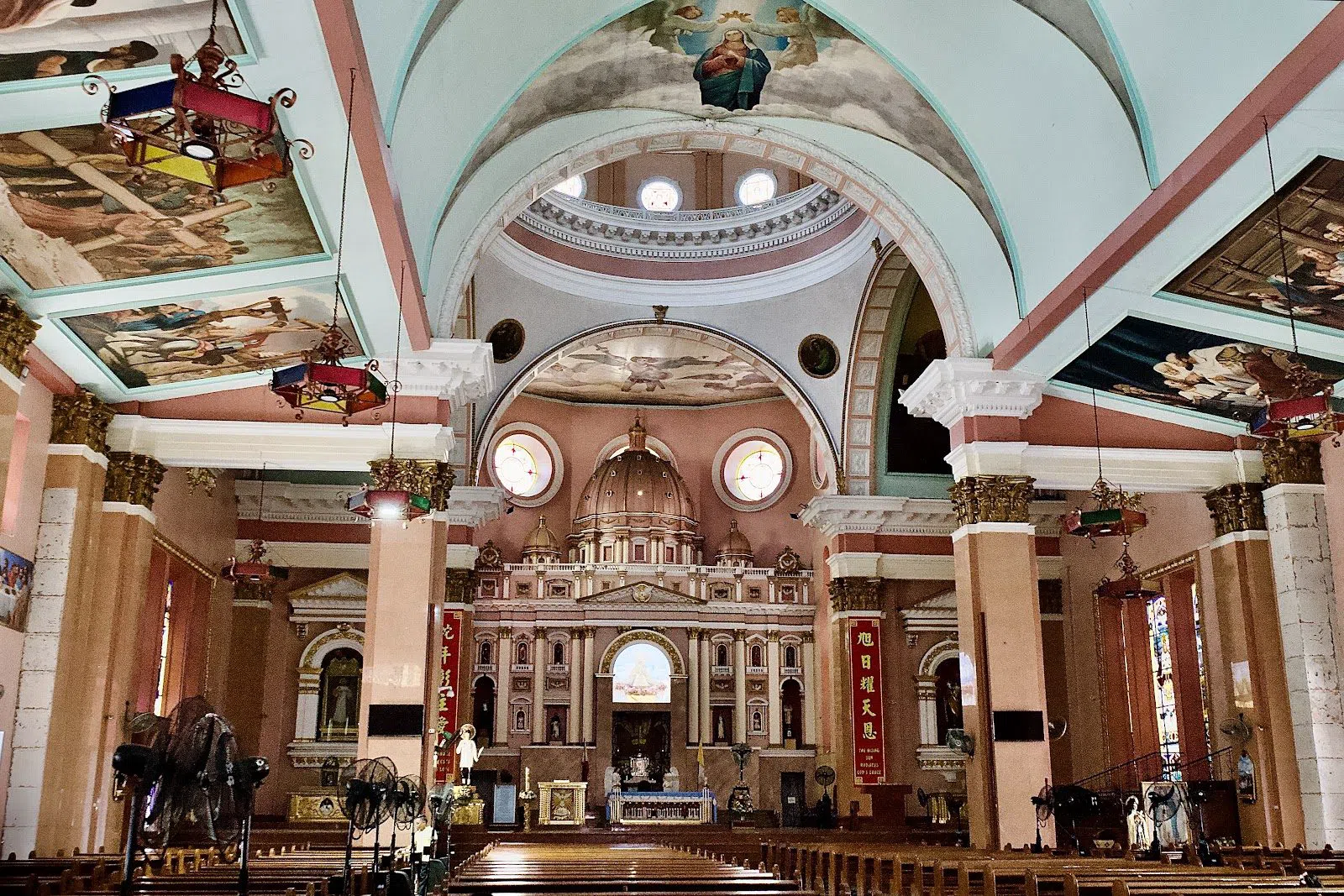
Minor Basilica and National Shrine of San Lorenzo Ruiz (Binondo), which everyone calls Binondo Church, is the gateway to the oldest Chinatown in the world and the meeting point for most tours of it. It is open roughly 9am to 5:30pm and free, with weekday Masses at 12:15pm and 5pm; groups are fine outside those. Its deep porch is where half of Ongpin waits out a downpour, and standing there with a hundred other people watching the water come off the octagonal bell tower is not the worst twenty minutes you will spend in this city.
Old Manila Walks (Binondo) is the best wet-weather insurance on this route. Running since 2005, its Big Binondo Food Wok starts at 9am in the Binondo Church lobby, runs about three and a half hours across six eating stops, and costs roughly PHP 1,500 to 1,800 per person, with private group bookings direct or through Klook. The value in rain is specific: a guide who knows which arcades, alleys and back doors connect one shop to the next keeps you dry in a way no map will. The catch is the 9am start, so if you want it, flip the day. Take the tour first, then cross south to Intramuros and finish in the museums, which stay open until 6pm.
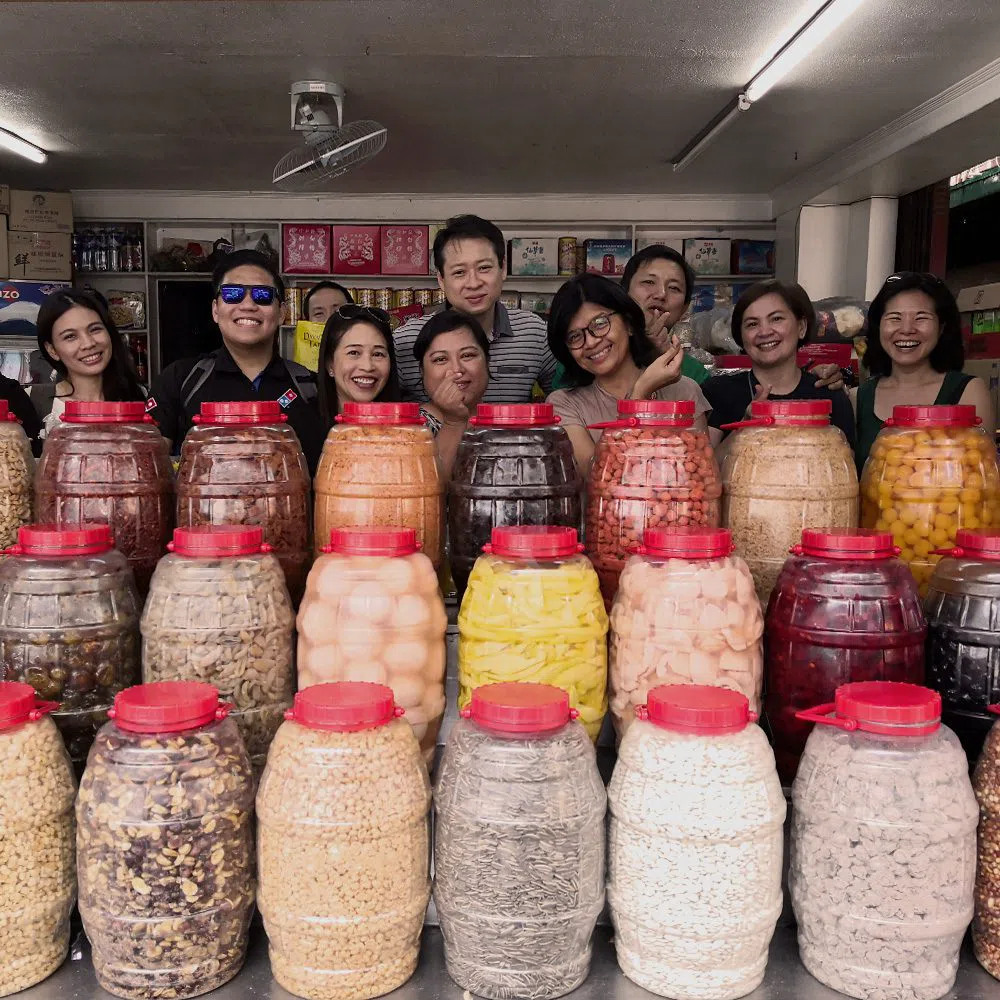
Eating along Ongpin
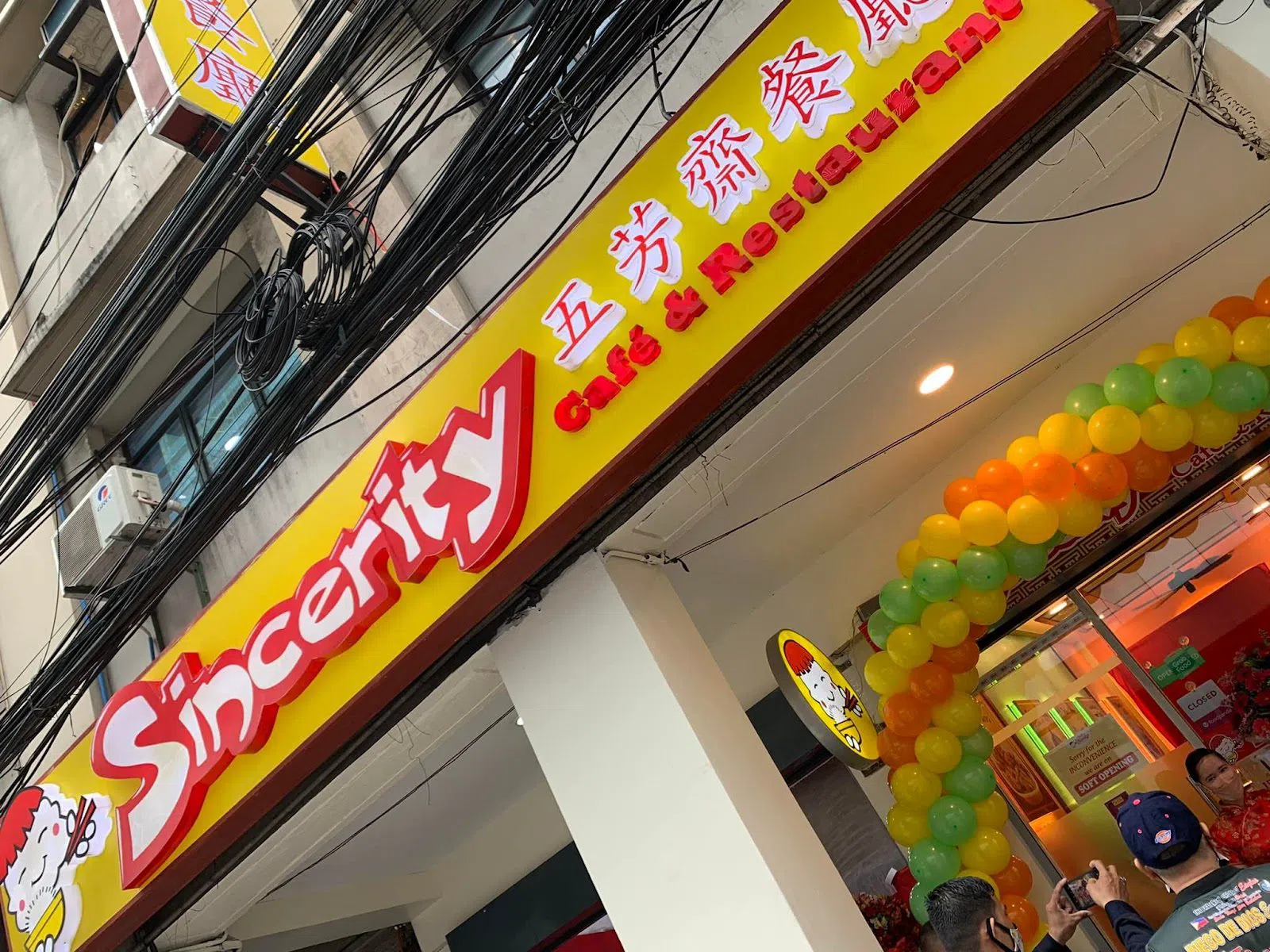
Sincerity Cafe and Restaurant (Binondo) has been open since 1956 and is the fried chicken every food tour on this street stops for, alongside kikiam and oyster cake. Expect PHP 300 to 600 per head. There is no reservations culture: you walk in and you wait. The original branch on Quintin Paredes is tight, so parties above six are genuinely better off at the Lucky Chinatown branch a few minutes away. A queue is not a problem on a day like this; you were sheltering anyway.
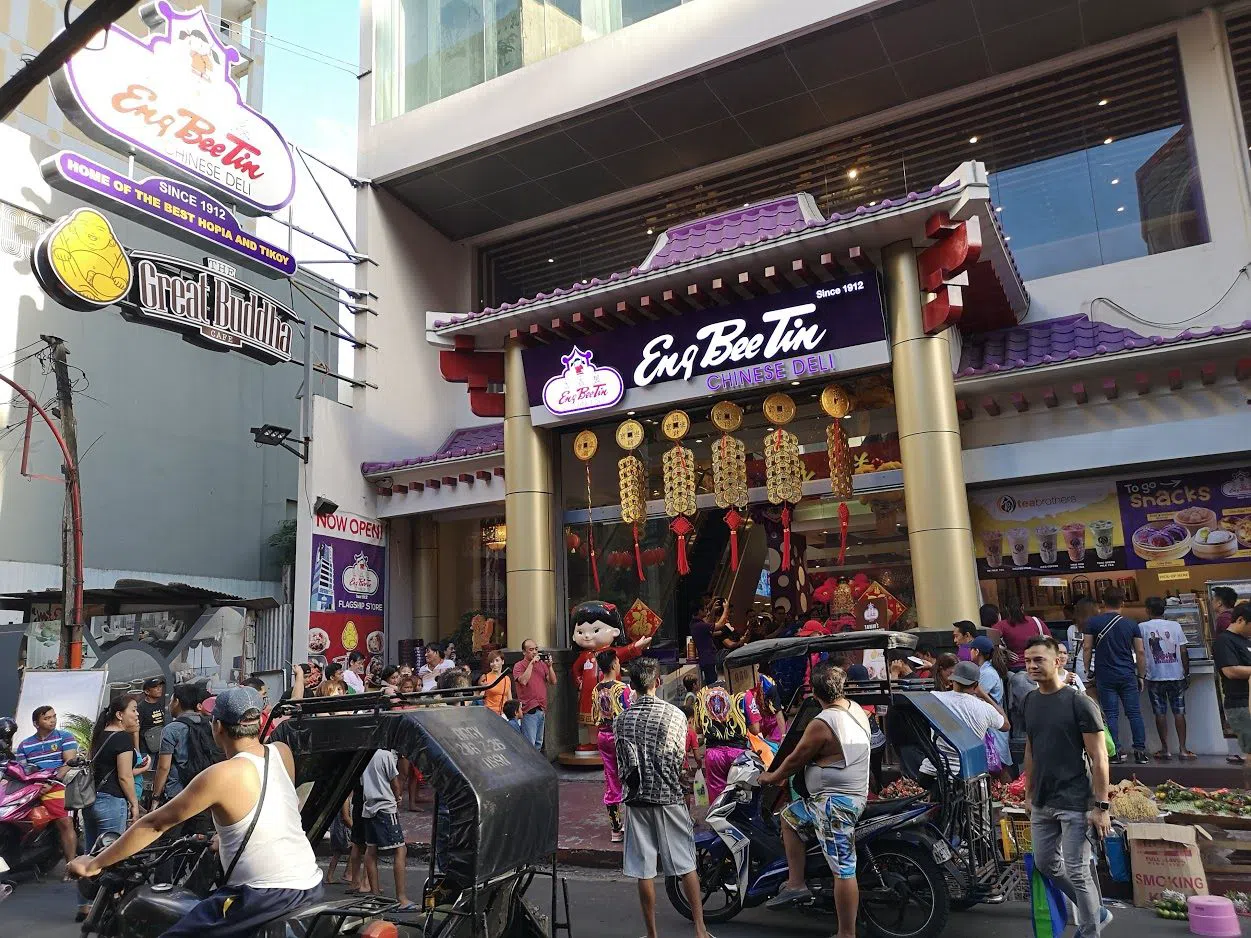
Eng Bee Tin Chinese Deli (Binondo) was founded in 1912 and is the reason this city associates ube with Chinatown. It is a shop rather than a sit-down, open roughly 7am to 10pm daily, which makes it the pit stop that absorbs any group size: everyone piles in out of the rain, buys PHP 100 to 400 of hopia or tikoy, and files out again with something to eat on the walk. Buy the boxes here rather than at the airport.
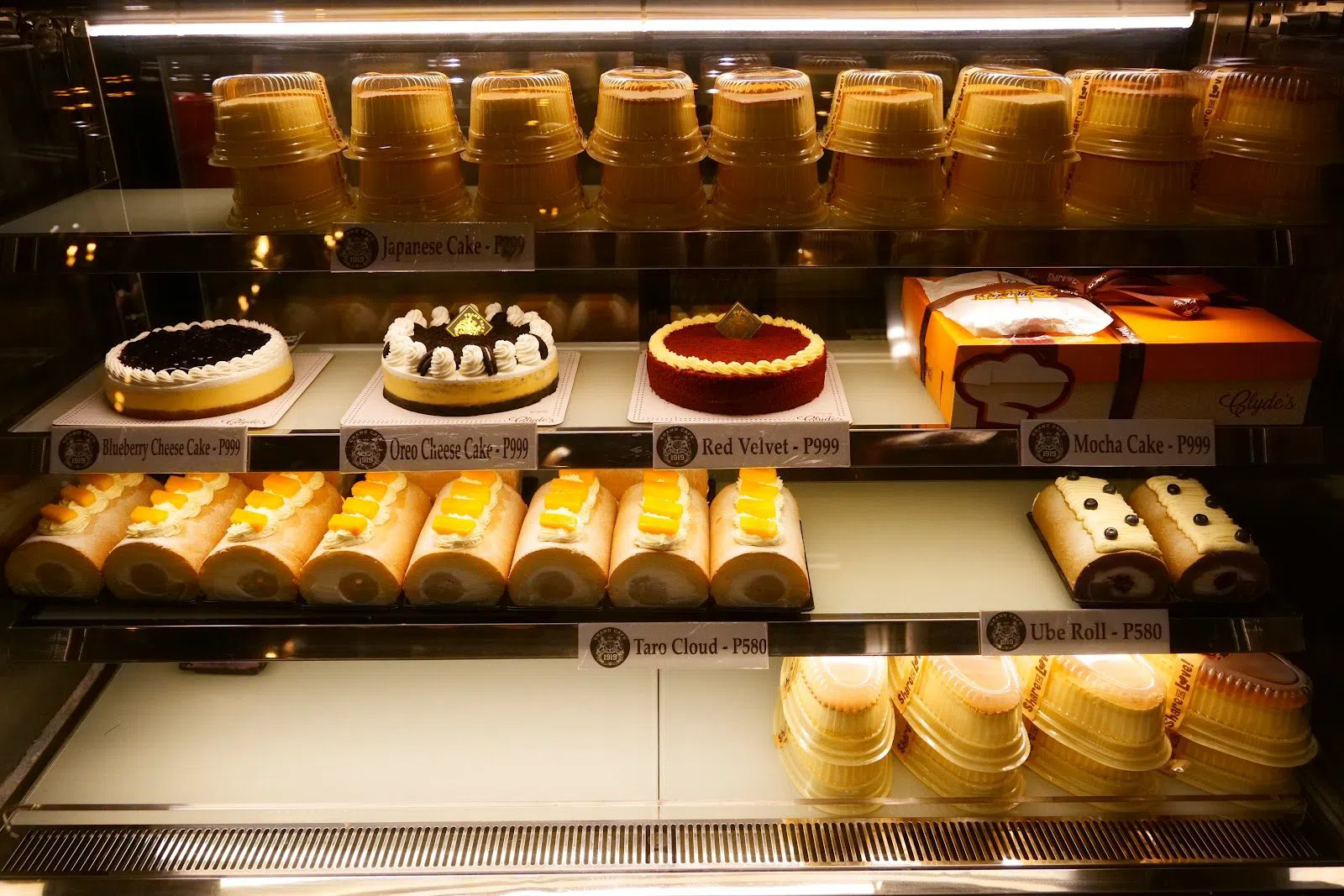
1919 Grand Cafe (Binondo) is where to sit properly. It occupies a restored 1919 banking hall, coffered ceiling, tall windows and marble, and the room seats large parties comfortably without anyone shouting. Long daily hours from 7am, PHP 500 to 1,200 per head, and reservations are sensible at weekends. It is a rare chance to sit inside a bank hall of this age rather than photograph it from the pavement, and an hour here is the most civilised way to let a squall pass.
Escolta at the end of the line
Escolta was Manila's grand commercial street before the war, and it spent decades afterwards being quietly written off. It is neither restored nor dead, which is what makes it interesting.
First United Building — HUB: Make Lab and The Den (Escolta) is the endpoint and the proof the street is alive rather than embalmed. One art deco address gives you a market of small makers and secondhand stalls, a cafe, the artist-run bar Fred's Revolución and the building's small community museum, all without stepping back outside. HUB: Make Lab opens Tuesday to Sunday, roughly 11am to 8pm, closed Mondays; browsing is free and groups are welcome, and coffee runs PHP 150 to 250. If your legs are done and the rain has not stopped, this is a good place for it to not stop.

Escolta Museum, Calvo Building (Escolta) is a single dusty mezzanine room that makes the whole street outside legible: old bottles, old signage, old photographs of the same pavement you just walked. Open Monday to Friday, 9am to 5pm, and Saturday 9am to noon; PHP 50 regular, PHP 20 for students. Admission is priced for groups of at least four, so it suits a small party better than a solo drop-in. One honest note: the Post Office building it overlooks is still a restoration site after its fire, not somewhere you can go in. Admire it from the window and leave it at that.

Practical notes
The LRT-1 elevated line brackets the whole walk. UN Avenue station is a short walk from Rizal Park at the start, and Carriedo station is about five minutes from Escolta at the end, so you can do the entire route without touching a car. Fares are under PHP 40. Trains are packed from 7am to 9am and from 5pm to 7pm, and the walk fits neatly between those windows. Ride-hailing works well in Intramuros and Binondo, but pricing surges hard the moment rain starts, and traffic on flooded streets is worse than walking. Jeepneys cross the river constantly and cost almost nothing, though they are not a comfortable way to travel wet.
Carry PHP 1,500 to 2,000 in small notes. The national museums are free, the Intramuros house museums and Escolta Museum are cash-only in practice, and Ongpin's bakeries and canteens strongly prefer cash. Cards work at 1919 Grand Cafe, Barbara's and inside the malls, and QR payment is common but not universal. ATMs cluster near Escolta and along Quintin Paredes.
A 9am start at the museums puts you in Intramuros for the 11:30am lunch sitting and across the river by mid-afternoon, arriving in Escolta with an hour of daylight to spare. If you want the food tour, start at 9am in Binondo and run the route in reverse, finishing in the national museums before their 6pm close. Avoid Mondays entirely, and check San Agustin's midday closure and the cathedral's Mass schedule on the day.
A compact umbrella beats a rain jacket in this humidity, because you will sweat more than you get rained on. Wear sandals or shoes you do not mind soaking, since flooded kerbs are the real hazard rather than the rain itself. Bring a dry bag or a plastic sleeve for a phone and passport.
Budget for free museums, PHP 75 for Casa Manila, about PHP 200 for San Agustin's museum, about PHP 100 for Bahay Tsinoy, PHP 50 for the Escolta Museum, plus PHP 300 to 600 for a Binondo lunch and PHP 150 to 250 for coffee. That is a full day of sheltered sightseeing for well under PHP 1,500 a head, or roughly double that if you add Barbara's buffet or the guided food tour.
Staying in Ermita or Malate puts the start of this walk within fifteen minutes on foot, which matters when the forecast is bad. Compare rates and locations through Manila hotel search before committing to somewhere further out, because a hotel across the city turns a wet morning into an hour in traffic.
Before you go
How long does the Rizal Park to Escolta walk take?
About three and a half kilometres end to end. Walk it slowly, with museum stops and a proper lunch, and it fills roughly seven hours; skip the Intramuros house museums and it drops to a half day of four hours.
Which day of the week is best for this route?
Tuesday to Friday. Most museums on the route (Fine Arts, Anthropology, Museo de Intramuros, Casa Manila, Bahay Tsinoy and HUB: Make Lab) close on Mondays. The Escolta Museum in the Calvo Building closes at noon on Saturdays and does not open on Sundays, so weekends force compromises.
Can I really stay dry for most of the walk?
Almost. Between the national museums, the Intramuros cloisters and arcades and the Binondo shophouse streets, you are rarely more than five minutes from cover. The exposed stretch is the fifteen-minute crossing of the Pasig on Jones Bridge, and in heavy rain that is the part to take by taxi.
How much cash should I carry?
PHP 1,500 to 2,000 in small notes covers a full day. The three national museums are free; Casa Manila is PHP 75, San Agustin's museum about PHP 200, Bahay Tsinoy about PHP 100 and the Escolta Museum PHP 50. Small Binondo shops and the house museums prefer cash, while 1919 Grand Cafe and Barbara's take cards.
Does this route work for a large group?
Yes, with two adjustments. Book Barbara's Heritage Restaurant and Museo de Intramuros ahead, and split parties at Casa Manila, where the upstairs rooms are narrow. Sincerity's original Quintin Paredes branch cannot handle more than about six, so send larger groups to its Lucky Chinatown branch. The national museums absorb school and tour groups without trouble.